 By st20113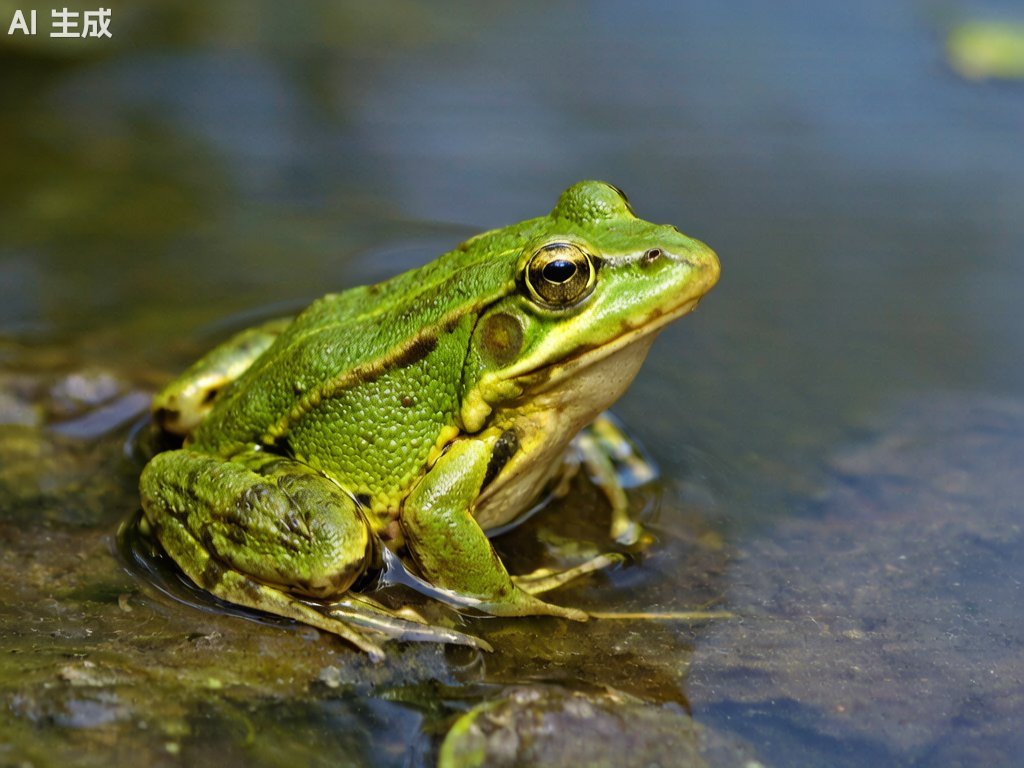
Introduction
The Grass Frog, scientifically known as Rana temporaria, is a widespread amphibian found throughout Europe and parts of Asia. This versatile species thrives in diverse habitats ranging from forests and meadows to urban gardens. The Grass Frog is easily recognised by its brown or greenish-brown skin, often with a dark triangular marking behind the eye. It plays a crucial role in ecosystems as both predator and prey, helping to control insect populations while serving as food for birds, mammals, and larger amphibians.
Taxonomy
The Grass Frog belongs to the family Ranidae, commonly known as true frogs. Molecular studies have revealed several subspecies across its vast range, from Ireland to Japan. The species was first described by Carl Linnaeus in 1758. Genetic analysis shows that Rana temporaria is closely related to other Holarctic frogs, with which it shares similar breeding behaviours and ecological requirements. The frog has been studied extensively for its physiological adaptations to cold climates.
Physical Characteristics
Adult Grass Frogs measure 6–9 cm in length, with males slightly smaller than females. They have smooth, moist skin that varies in colour from brown to green, often with dark spots or stripes. The distinctive triangular marking behind the eye helps identify the species. Grass Frogs have strong hind legs adapted for jumping, with webbed feet that aid swimming. Their vocal sacs allow males to produce distinctive calls during the breeding season, which can be heard from hundreds of meters away.
Habitat
Grass Frogs inhabit a wide range of environments, including deciduous and coniferous forests, grasslands, moorlands, and agricultural areas. They require access to water for breeding but can survive in relatively dry terrestrial habitats. During summer, they shelter under logs, stones, and leaf litter. In winter, they hibernate in burrows, under rocks, or at the bottom of ponds. Some populations can be found at elevations up to 2,500 meters in mountainous regions.
Diet
Grass Frogs are carnivorous, feeding primarily on insects, spiders, worms, and other small invertebrates. They use a sticky tongue to capture prey, which they swallow whole. Adults can consume up to 10% of their body weight daily. Tadpoles are herbivorous, feeding on algae and detritus in ponds. Grass Frogs are ambush predators, remaining motionless until prey comes within striking distance. They are most active during warm, humid conditions, particularly after rain.
Reproduction
Breeding occurs in spring, with males arriving at ponds first and calling to attract females. Eggs are laid in large clusters of 1,000–2,000, attached to underwater vegetation. Tadpoles hatch after 3–7 days and undergo metamorphosis over 8–12 weeks. Some populations breed in temporary pools that dry up in summer, requiring rapid development. Adults can live for 10–12 years in the wild, with some individuals reaching 15 years.
Conservation
Grass Frog populations have declined in parts of their range due to habitat loss, pollution, and climate change. Wetland drainage for agriculture has reduced breeding sites, while road mortality during migration is a significant threat. Pesticide use in agricultural areas affects both adult frogs and tadpoles. Conservation measures include protecting breeding ponds, creating wildlife corridors, and reducing pesticide use. The species is listed as Least Concern by the IUCN but requires monitoring in specific regions.
Fun Facts
Grass Frogs can survive freezing temperatures by producing a natural antifreeze in their blood, allowing up to 60% of their body water to freeze during winter. They are one of the first amphibians to breed in spring, often emerging from hibernation while snow still covers the ground. Male Grass Frogs can produce calls loud enough to be heard by humans up to 200 meters away. Their skins produce antimicrobial peptides that protect against fungal infections in damp environments.
[…] the grass frog, the Common Midwife Toad relies on a mosaic of habitats throughout the year, using terrestrial […]