 By st20113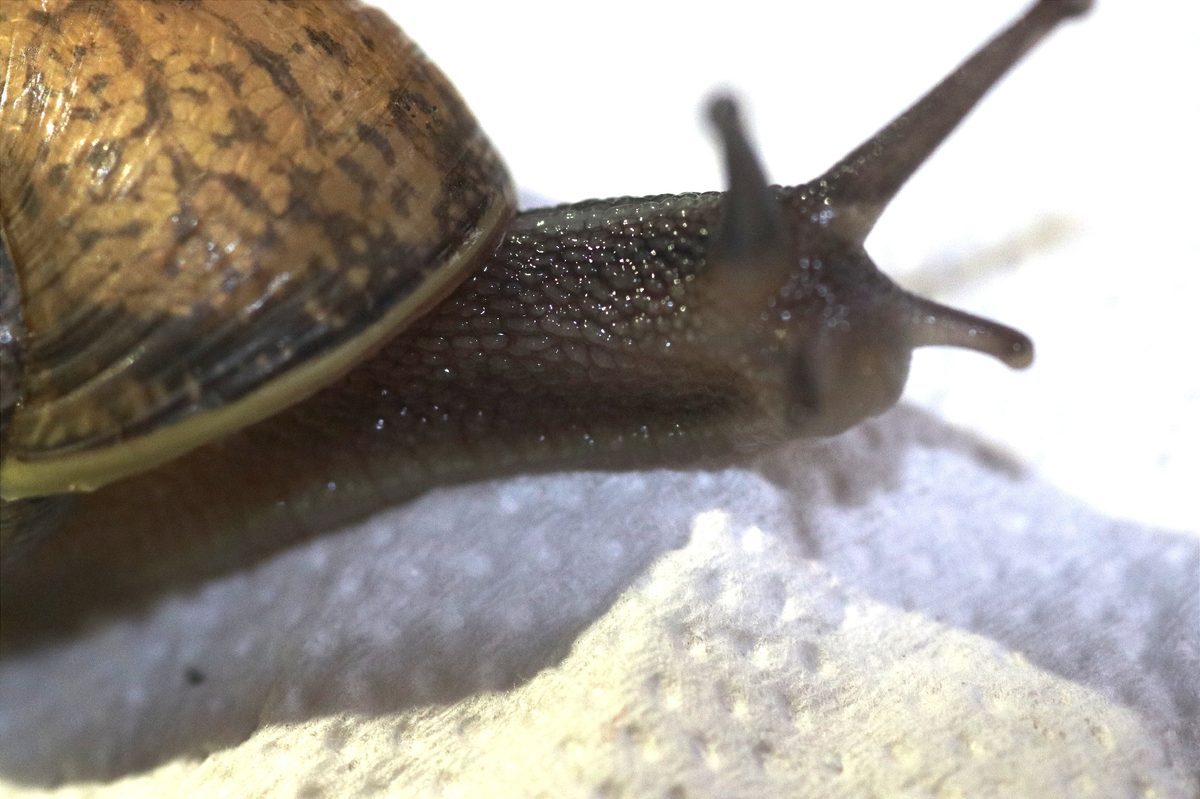
Introduction
The Garden Snail (Cornu aspersum), also known as the brown garden snail, is one of the most familiar mollusks in Europe and a widespread inhabitant of gardens, parks, and farmland. This terrestrial gastropod is both a beloved part of backyard ecology and a notorious garden pest. The garden snail plays an important role in decomposition and nutrient cycling. Its coiled shell and slow movement have made it a symbol of patience.
The garden snail’s ubiquity in human landscapes makes it both a model organism for mollusk research and a barometer of garden biodiversity. Reducing pesticide use and preserving damp refuges support healthy snail populations. Snails contribute to nutrient cycling by breaking down plant debris and enriching soil.
Taxonomy
Cornu aspersum belongs to the family Helicidae, the true land snails. The species was formerly placed in the genus Helix. It is native to the Mediterranean region but has been introduced worldwide through human activity. Genetic studies have traced its spread along trade routes. The garden snail is one of the most studied terrestrial mollusks.
Physical Characteristics
The garden snail has a spiral shell 25 to 40 millimeters in diameter, typically brown with lighter bands. The soft body is grayish and extends a pair of long ocular tentacles with eyes at the tips. The species produces mucus to aid movement and reduce dehydration. The seven-spot ladybird shares garden habitats as a beneficial insect.
Habitat
This snail inhabits gardens, hedgerows, fields, and damp woodlands with adequate calcium for shell growth. It is active in moist conditions and retreats to shelter during dry or cold periods. The species can survive winter in hibernation and summer in estivation. The European robin often forages near snail habitats in gardens.
Despite its reputation as a pest, the garden snail supports biodiversity by feeding hedgehogs, thrushes, and ground beetles. Its decomposition activity returns nutrients to soils, benefiting plants. Balanced gardens that tolerate some snail presence contribute to healthier urban ecosystems. The species’ resilience makes it a enduring component of European fauna.
Diet
Garden snails are generalist herbivores and detritivores, feeding on living plants, decaying matter, algae, and fungi. They use a ribbon-like radula to scrape food. The species can damage cultivated plants but also recycles nutrients. Snails are an important food source for birds, hedgehogs, and beetles.
The garden snail’s shell requires calcium, so soil and substrate quality influence population health. The species’ ability to estivate helps it survive dry summers, but prolonged drought can increase mortality. Snails face predation from a wide range of animals, keeping populations in balance.
Reproduction
The garden snail is hermaphroditic, possessing both male and female organs, though individuals still mate. After courtship, both partners lay clusters of eggs in moist soil. Hatchlings emerge as miniature snails with fragile shells. The common toad frequently preys on snails in gardens.
Wildlife-friendly gardening with damp refuges and native plants supports garden snails and broader biodiversity. Reducing slug pellet use protects snails and their predators. Snails contribute to soil health through decomposition and nutrient cycling. The species’ presence reflects a balanced garden ecosystem.
Conservation
The garden snail is abundant and not threatened, though it is impacted by habitat loss and pesticides locally. The species benefits from wildlife-friendly gardening and reduced chemical use. Snails are important indicators of soil health and biodiversity. In some regions, the species is farmed for food, requiring sustainable practices.
Fun Facts
The garden snail can sleep for up to three years in estivation during unfavorable conditions. Its mucus reduces friction, allowing it to glide over sharp surfaces unharmed. The species’ shell grows additively, with visible growth lines like a tree ring. Garden snails have thousands of microscopic teeth on their radula. The species can regenerate lost eye tentacles over time.
Garden snails can regenerate damaged eye tentacles and shell tissue over time, showcasing remarkable repair abilities. The species’ mucus contains antimicrobial compounds that may have biomedical potential. Snails navigate using scent trails and memory of favorable microhabitats. The garden snail’s slow pace belies a complex physiology that allows survival through extreme droughts and cold.
[…] described by the French naturalist Jean Guillaume Audinet-Serville in 1838. It shares with the Cornu aspersum a place among the commonest animals of the garden floor, though the snail is a mollusc and the pill […]
[…] described by the Danish naturalist Otto Friedrich Müller in 1774. It is a close relative of the Cornu aspersum, the everyday garden snail, and the two are often found together, but the Grove Snail is the more […]
[…] described by the German malacologist Otto Friedrich Müller in 1774. It is a relative of the Cornu aspersum and of the other land slugs, but it belongs to a group of small, smooth, fast-moving slugs rather […]
[…] It was described by the Swedish naturalist Carl Linnaeus in 1758. Along with slugs and the Cornu aspersum it is one of the commonest animals of the garden floor, but whereas the snail is a mollusc the […]
[…] Arionidae, described by the Swedish naturalist Carl Linnaeus in 1758. It is a close relative of the Cornu aspersum and other land snails, but it has lost the large shell of its ancestors, keeping only a small […]