 By st20113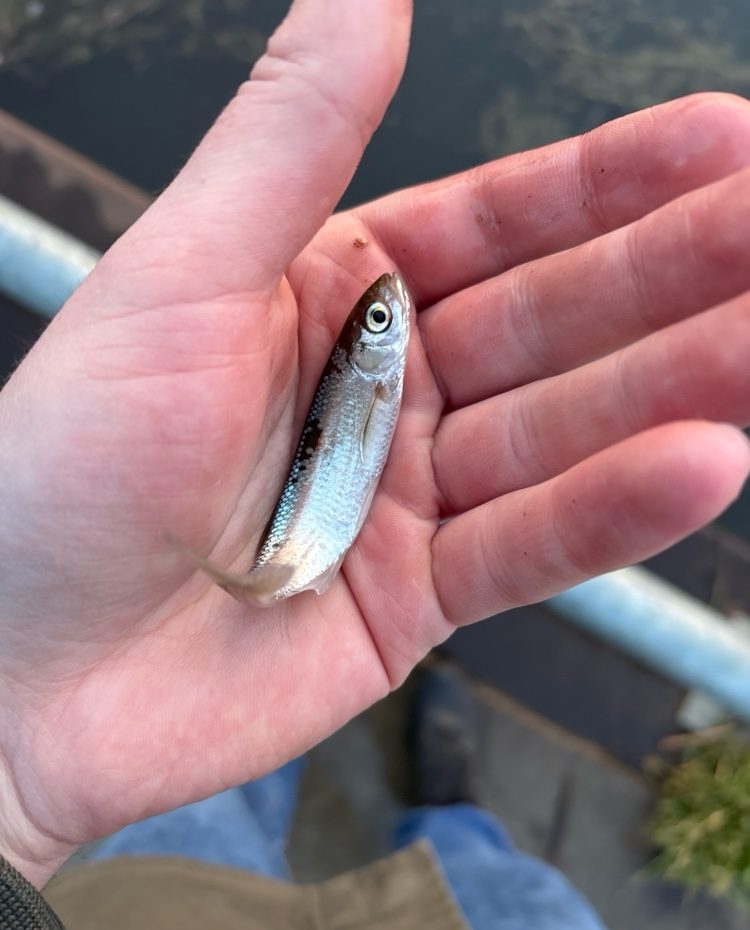
Introduction
The Bleak (Alburnus alburnus) is a slender, silvery freshwater fish found throughout Europe’s lowland rivers and lakes. Named for its pale, “bleak” coloration, this small cyprinid forms large shoals in open water. The bleak is an important forage fish and a familiar sight to anglers and nature observers. Its reflective scales were historically used to make artificial pearls.
The bleak’s abundance and schooling behavior make it a key component of freshwater food webs across Europe. The species’ tolerance of varied conditions has allowed it to persist in many modified waterways. Monitoring bleak populations helps assess the ecological status of lakes and rivers under European water directives.
Taxonomy
Alburnus alburnus belongs to the family Cyprinidae, the carp family. The genus Alburnus contains many bleak and rudd species across Eurasia. The bleak is distinguished by its elongated body and silvery flank. Genetic studies have clarified relationships within European cyprinids. The species has been introduced to some regions outside its native range.
Physical Characteristics
Bleak are small, usually 10 to 20 centimeters long, with a laterally compressed, elongate body. The back is greenish-brown, the sides brilliant silver, and the belly white. The species has a small inferior mouth and a keeled belly behind the pelvic fins. The tench shares still waters but is olive and deeper-bodied.
Habitat
Bleak inhabit lakes, slow rivers, and canals with open water and moderate vegetation. They prefer well-oxygenated, clear to slightly turbid waters. The species forms shoals near the surface, often with other small fish. The European eel shares these waters as a predator.
The bleak’s schooling behavior provides safety in numbers, but also makes the species vulnerable to mass capture by predatory fish and birds. Its rapid reproduction offsets such losses in healthy ecosystems. The species’ ecological role as a link between plankton and predators underscores the value of protecting whole food webs.
Diet
The bleak feeds on zooplankton, insects, and algae, filtering small particles from the water column. Its upturned mouth and surface feeding make it a key link between plankton and larger predators. Juveniles consume tiny crustaceans. The species is a major prey item for piscivorous birds and fish.
The bleak’s preference for open water makes it sensitive to excessive vegetation removal and shoreline hardening. The species’ prolific reproduction helps it recover from occasional poor year classes. Invasive predators can alter bleak abundance in some lakes, requiring careful management.
Reproduction
Spawning occurs in late spring and summer over submerged vegetation or gravel. Females release numerous adhesive eggs that develop quickly. Larvae join shoals in open water. The pike is a major predator of adult bleak.
Sustainable fisheries and water quality management support bleak populations in lakes and rivers. The species benefits from the protection of aquatic vegetation and natural shorelines. Reducing nutrient pollution helps maintain the clear waters bleak prefer. The species’ role as forage fish underscores the importance of whole-ecosystem management.
Conservation
The bleak is widespread and not considered threatened, though local populations can be affected by water quality degradation. The species benefits from the protection of natural lake and river habitats. Bleak are sometimes used as bait fish, requiring sustainable management. Conservation of aquatic vegetation supports healthy populations.
Fun Facts
The bleak’s silvery scales contain guanine crystals that historically were used to make “essence of pearl” for cosmetics and paint. The species can form shoals numbering in the thousands, creating shimmering clouds in open water. Bleak are among the first fish to return to restored waterways. Their rapid growth and short lifespan make them resilient to environmental fluctuations. The species’ name reflects its pale, almost colorless appearance.
Bleak form tight, synchronized shoals that confuse predators through collective movement, a classic example of emergent group behavior. The species’ reflective scales historically inspired cosmetics and artisanal pearl substitutes. Bleak grow rapidly and reproduce early, enabling quick recovery from population dips. The species’ filter-feeding links plankton production to higher trophic levels in aquatic ecosystems.
Anglers often recognize bleak by its silvery flanks and the keeled belly behind the pelvic fins, which distinguish it from similar small fish. The species’ shoaling nature makes it a common sight in open water during summer. Sustainable management ensures that bleak continue to support freshwater food webs across Europe.