 By st20113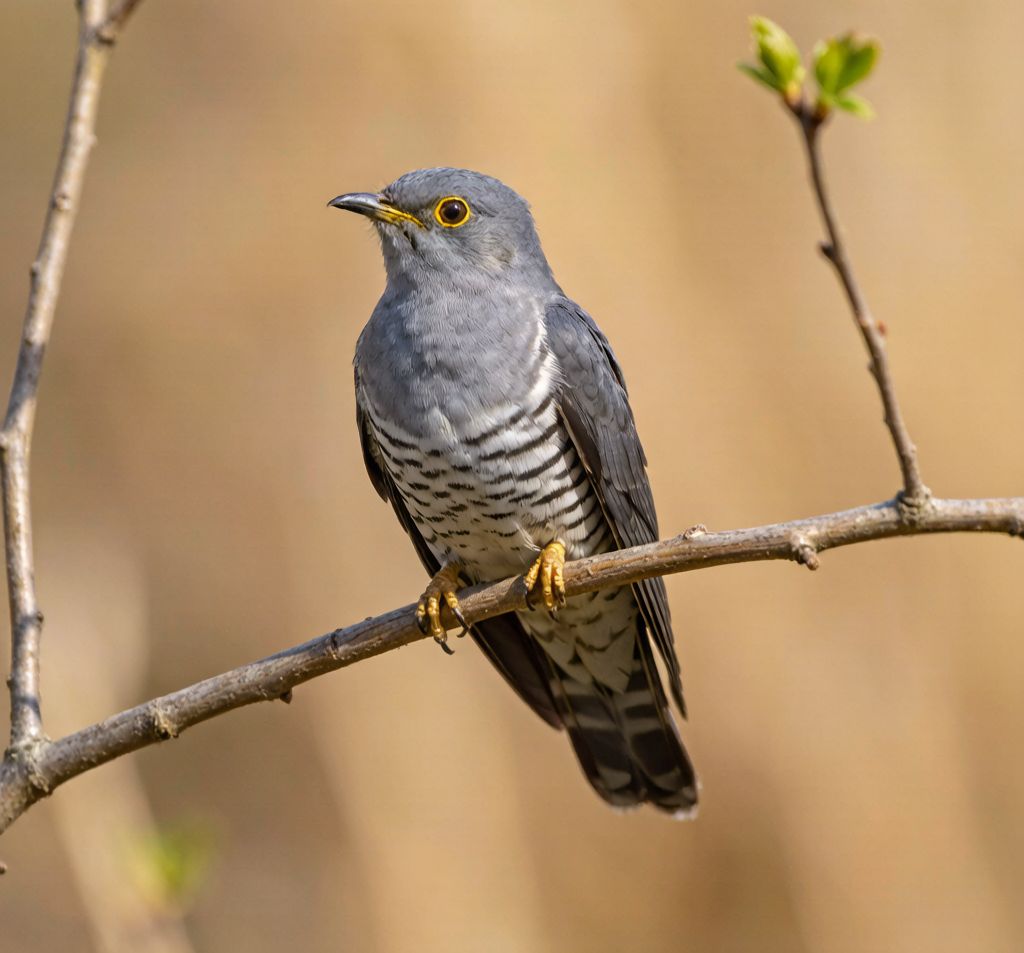
Introduction
The Common Cuckoo (Cuculus canorus) is a widespread migratory bird famous for its distinctive call and unique breeding strategy. This brood parasite lays its eggs in the nests of other bird species, leaving foster parents to raise its young. The cuckoo spends summers in Europe and winters in Africa, undertaking remarkable migratory journeys each year. The species is renowned for the male’s distinctive call that signals the arrival of spring across Europe. This species exemplifies the rich biodiversity of European ecosystems and the importance of conservation efforts across the continent. Natural habitats continue to face pressures from human activities including agriculture, urbanization, and climate change. Understanding species ecology and implementing effective conservation measures remain critical priorities for maintaining healthy populations of wildlife throughout Europe. The species represents an important component of its ecosystem and contributes to the ecological processes that maintain healthy natural environments.
Taxonomy
Cuculus canorus belongs to the cuckoo family Cuculidae. The genus Cuculus includes several Old World cuckoo species exhibiting brood parasitism. The species name canorus means melodious in Latin, referring to the male’s well-known call. The common cuckoo has several subspecies across its extensive range. Molecular studies have revealed the evolutionary history of brood parasitism within this ancient bird family.
Physical Characteristics
Adult common cuckoos measure 32 to 34 centimeters in length with a wingspan of 55 to 60 centimeters. The species exhibits sexual dimorphism: males have gray upperparts and a gray breast, while females may be gray or rufous morph. Both sexes have barred underparts and a distinctive yellow eye-ring. The slender body and long tail give the cuckoo a hawk-like silhouette in flight. This resemblance to raptors may help females approach host nests without raising alarm among smaller birds such as the European robin.
Habitat
Common cuckoos occupy a variety of open and semi-open habitats across Europe, including farmland, heathland, wetlands, and woodland edges. The species requires suitable host populations for successful reproduction. Habitat choice often reflects the distribution of preferred host species such as reed warblers, meadow pipits, and dunnocks. Cuckoos may occur alongside the red deer in open moorland habitats where meadow pipits are abundant.
Diet
The cuckoo’s diet consists mainly of insects, particularly hairy caterpillars that many other birds avoid. This specialization allows cuckoos to exploit a food source with reduced competition. They also take other insects, spiders, and occasionally small vertebrates. Foraging typically occurs in trees and shrubs where caterpillars are abundant. The ability to digest toxic caterpillars gives cuckoos a unique ecological niche.
Reproduction
As a brood parasite, the female common cuckoo removes and eats a host egg before laying her own in the host nest. Cuckoo eggs often mimic host eggs in color and pattern. The cuckoo chick hatches early and instinctively ejects host eggs or chicks from the nest. The foster parents raise the rapidly growing cuckoo chick, which may grow larger than its caregivers. Different female cuckoos specialize in parasitizing particular host species.
Conservation
Common cuckoo populations have declined in parts of Europe, partly due to declines in host species and habitat changes. However, the species remains widespread and is not currently considered threatened globally. Conservation of cuckoos depends on maintaining healthy populations of their host species and suitable foraging habitats. Changes in agricultural practices have affected both cuckoos and their host populations.
Fun Facts
The cuckoo’s call, a simple two-note phrase, is among the most recognizable bird sounds in Europe. The species has inspired numerous cultural references, including the cuckoo clock. Female cuckoos make a bubbling call quite different from the male’s famous song. Young cuckoos navigate to African wintering grounds without parental guidance, relying on innate migratory instincts. The species can be found in the same habitats as the seven-spot ladybird, which represents a very different insect species but shares the same European landscapes. Field research and monitoring programs help scientists understand population trends and inform conservation strategies. Citizen science initiatives engage the public in recording sightings and contribute valuable data for species conservation. International cooperation among European countries facilitates coordinated conservation action across political boundaries. These efforts are essential for ensuring the long-term survival of wildlife populations in an increasingly human-dominated landscape.