 By st20113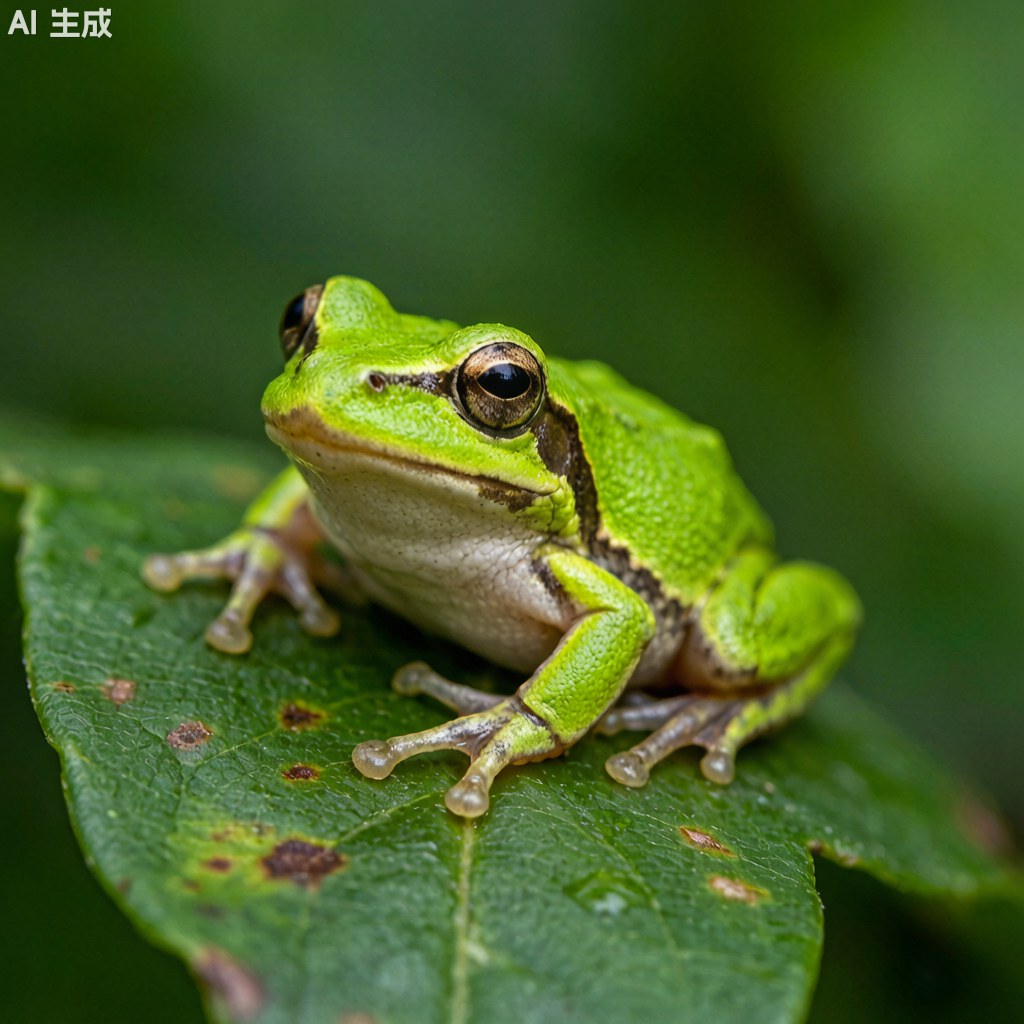
Introduction
The European tree frog, known scientifically as Hyla arborea, is a small amphibian famous for its bright green color and its loud, melodic call on warm spring nights. Despite the name, it spends much of the year on the ground, climbing into vegetation mainly during the breeding season and after rain. Found across central and southern Europe and into western Asia, it is a cherished symbol of healthy ponds and wetlands, where its chorus announces the arrival of warmer weather.
Taxonomy
The European tree frog belongs to the family Hylidae, the tree frogs, within the genus Hyla. It is distinct from the common frog, a true frog of the genus Rana, though both share ponds and damp meadows. Its rounded body, long toes with adhesive discs, and climbing lifestyle set it apart from ground-dwelling frogs. Several related tree frogs occur around the Mediterranean, but Hyla arborea is the familiar green species of central Europe.
Physical Characteristics
Adults measure just 3 to 5 centimeters in length and weigh only a few grams. Their skin is smooth and usually bright green, though individuals can shift to grey or brown for camouflage. A dark stripe often runs from the nostril through the eye to the shoulder. The most distinctive feature is the adhesive disc on each toe, which allows the frog to grip leaves and stems. Large eyes with horizontal pupils give excellent vision for spotting insects.
Habitat
European tree frogs inhabit ponds, lakes, marshes, wet meadows, and floodplain forests, often in cultivated landscapes with suitable water. They need open water for breeding and nearby vegetation for foraging and hiding. Outside the breeding season they may wander far from water through grass and low shrubs. They are sensitive to the loss of small ponds and to pollution, making them useful indicators of wetland health across their range.
Diet
These frogs are patient ambush predators that feed mainly on flying insects such as mosquitoes, flies, moths, and beetles. They wait motionless, then snap up prey with a long, sticky tongue. Tadpoles are herbivorous at first, grazing on algae, before becoming small predators. Adults are almost entirely insectivorous and play a helpful role in controlling nuisance bugs around ponds. Their diet shifts with whatever is abundant in the surrounding vegetation.
Reproduction
Breeding begins in spring when males gather at ponds and call to attract females. The female lays several hundred eggs in clumps attached to aquatic plants. Tadpoles hatch within one to two weeks and metamorphose into tiny froglets after about two to three months, depending on temperature. Young tree frogs disperse into surrounding vegetation, where they mature in two to three years. Many fall prey to fish, birds, and dragons before adulthood.
Conservation
Listed as Least Concern globally, the European tree frog has declined locally because of drainage, pond loss, and pesticide use. It is protected in many countries, and the creation of garden ponds and the restoration of wetlands help sustain populations. Because it depends on both water and land, conserving connected habitats is essential. Citizen efforts to protect small ponds have proved valuable for this charismatic little frog.
Fun Facts
The male’s call, a repeated soft snoring or quacking, can carry surprisingly far across a still night. Tree frogs can change color from green to grey to match their surroundings. Their toe pads work like tiny suction cups, letting them climb vertical glass. They close their eyes with movable lower lids when resting. In winter they hibernate buried in mud or leaf litter, awaiting the first warm rains of spring. Their calls intensify before thunderstorms, earning them folk names linked to weather. Though small, they can leap many times their body length in a single bound. They survive cold by producing natural antifreeze compounds in their tissues. In some regions they are kept as charming garden companions that help control mosquito numbers. Their sticky toe pads let them cling upside down to leaves while they wait for passing insects.