 By st20113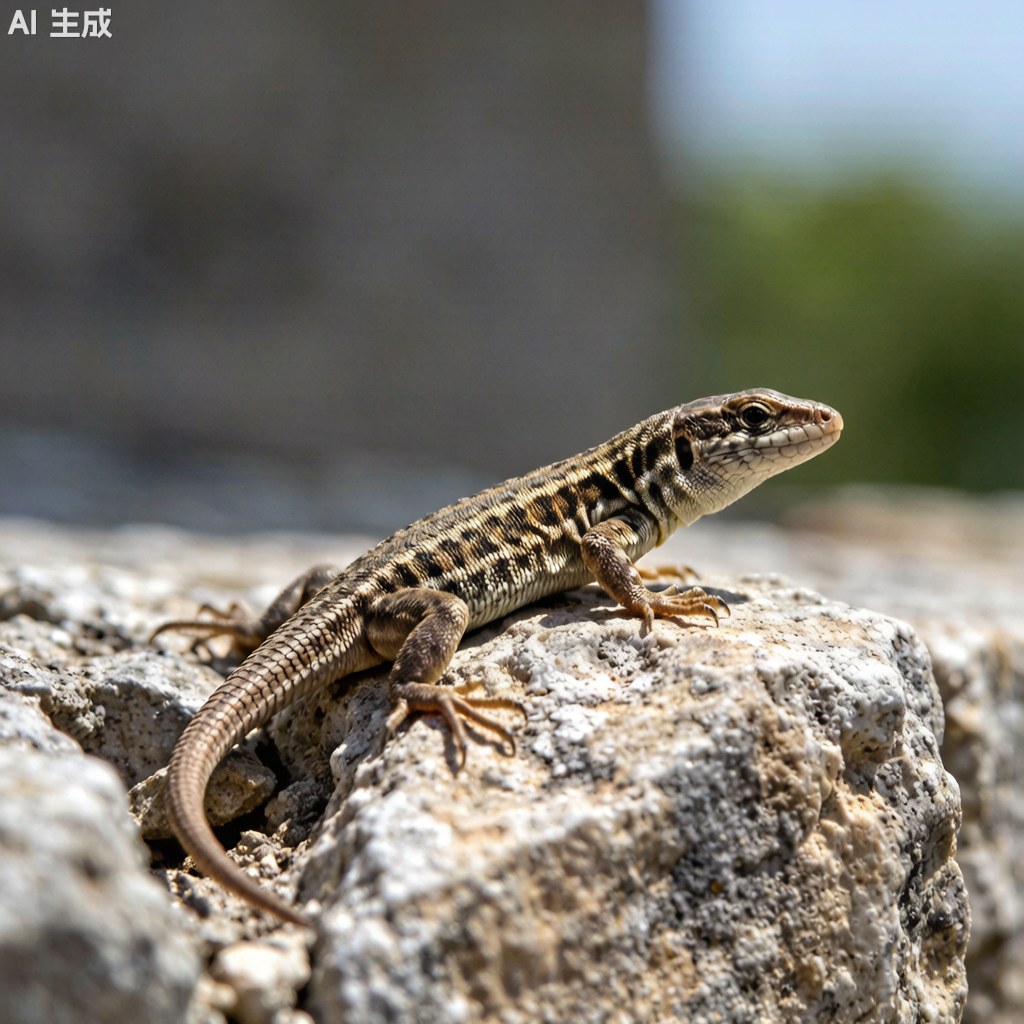
Introduction
The wall lizard, known scientifically as Podarcis muralis, is a small, agile reptile native to southern and central Europe that has spread into many cities and towns. True to its name, it basks on stone walls, rocks, and building façades, darting into crevices at the first sign of danger. Remarkably tolerant of human presence, it is one of the lizards most often encountered by people across the Mediterranean and beyond, where it thrives in warm, sunlit places.
Taxonomy
The wall lizard belongs to the family Lacertidae, the true lizards, within the genus Podarcis, which contains many European wall and rock lizards. It is distinct from the green lizard, a much larger relative, though both share the same sunny habitats. Several subspecies of wall lizard exist across its range, showing variation in color and pattern that reflects local geology and climate conditions.
Physical Characteristics
An adult wall lizard reaches 18 to 25 centimeters including the tail, with a slender body and a long, fragile tail that detaches when grabbed. Its coloration is highly variable, typically grey, brown, or green with darker markings and sometimes bright green or blue flecks on the flanks of males. The head is broad, the limbs well developed for climbing, and the scales small and granular. Males are larger and more vividly marked, especially during the breeding season.
Habitat
Wall lizards favor warm, rocky habitats such as cliffs, stone walls, ruins, and sunny building walls, but they also inhabit scrub, woodland edges, and riverside rocks. They need basking sites and tight crevices for refuge. Introduced populations now live in cities as far north as London and Brussels, where south-facing walls mimic their native Mediterranean cliffs. They are strictly diurnal and disappear in cooler months into hibernation.
Diet
Primarily insectivorous, the wall lizard feeds on flies, ants, beetles, spiders, and other small invertebrates caught by quick pursuit. It occasionally eats soft fruit and nectar, and larger individuals may take small vertebrates. Foraging is visual, with the lizard spotting prey, darting forward, and seizing it with a snap of the jaws. As a largely opportunistic hunter, it plays a useful role in controlling garden insect pests around human settlements. In cool weather they bask longer to keep warm, often returning to the same favorite sunny spot day after day. When threatened, they flatten against the surface, relying on camouflage before bursting into a sprint for the nearest crevice. Such wariness makes them difficult to approach, and they often sun themselves in small groups that scatter at the slightest disturbance. Their tolerance of warm urban microclimates has allowed them to colonize far beyond their native range.
Reproduction
Mating occurs in spring after hibernation. Females lay small clutches of two to ten eggs in warm, hidden soil or beneath stones, sometimes producing several clutches across a single season. The leathery eggs hatch after about six to twelve weeks depending on temperature. Hatchlings are miniature versions of adults and fend for themselves immediately. Sexual maturity is reached within one to two years in most populations.
Conservation
The wall lizard is listed as Least Concern by the IUCN and remains common and widespread across its native range. Its ability to live alongside people has buffered it from many threats, though habitat loss and competition from introduced species can affect local populations. In regions where it has been introduced, it generally establishes readily without major ecological harm, making it a resilient and successful small reptile. Protecting old walls, quarries, and sunny stone habitats remains the simplest way to keep populations thriving.
Fun Facts
A wall lizard can detach its tail to escape a predator, later regrowing a replacement that may look slightly different. It changes color slightly with temperature, darkening to absorb more heat. Males perform push-up displays and brighten their flanks to warn rivals. They can sprint up vertical walls using tiny clawed toes. In some cities they have become so tame they forage on café terraces for crumbs.