 By st20113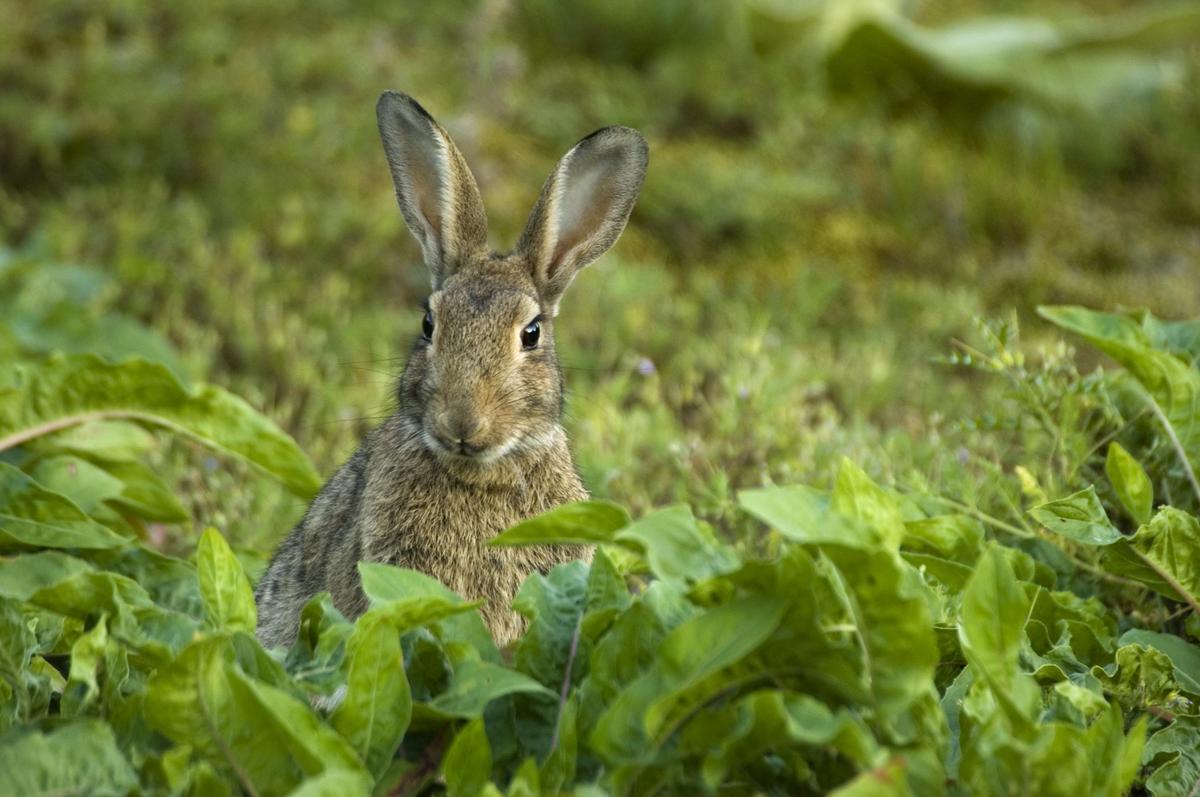
Introduction
The European rabbit (Oryctolagus cuniculus) is a small burrowing mammal native to the Iberian Peninsula and southern France, though it has been introduced to every continent except Antarctica. Weighing 1 to 2.5 kilograms, it is smaller and more social than the hare. Rabbits live in complex underground warrens dug by the colony, a behavior that sets them apart from their relatives. They are among the most economically and ecologically influential mammals on Earth: in their homeland they are a keystone species, while in places like Australia they became a devastating invasive pest. Domestic rabbits are the same species, bred in countless breeds for companionship and meat. Their constant grazing shapes plant communities and feeds a wide range of predators across European ecosystems.
Taxonomy
The European rabbit is the only living member of the genus Oryctolagus. It sits in the family Leporidae alongside hares and the red fox, one of its principal natural enemies. The species was described by Linnaeus in 1758. Genetic evidence places it closer to certain Asian rabbits than to hares, despite the similar appearance. Unlike the variable genus Lepus, the European rabbit has no widely accepted wild subspecies, though island populations show minor differences. Its domestication began in medieval French monasteries and later spread across the world, producing the pet and farm rabbits familiar today.
Physical Characteristics
European rabbits have a compact body, short front legs, and strong digging claws on the front paws. Their coats are typically grey-brown on the back with a pale belly and a fluffy white tail underside. Adults reach 34 to 45 centimeters in length. Long upright ears improve hearing and help regulate temperature in hot, dry habitats. Females are usually slightly larger than males. The eyes are set high and to the sides, providing wide peripheral vision. Soft fur and a flexible skeleton allow rabbits to squeeze through remarkably narrow burrow entrances. Built for short bursts of speed, they rely more on reaching shelter than outrunning chasers.
Habitat
In their native range rabbits favor dry, sandy soils where digging is easy and vegetation is open enough to spot predators. They avoid dense forest and waterlogged ground. The species shares much of the Iberian landscape with the hedgehog, though the two occupy different micro-niches. Warrens are often placed on south-facing slopes that warm quickly in spring. Rabbits need a mosaic of short grazing lawns and taller cover, using the former for food and the latter for concealment. In Britain and beyond they thrive on grasslands, dunes, and heath, but they struggle where the soil is too hard or wet to dig.
Diet
Rabbits are strict herbivores that graze on grasses, leaves, bark, roots, and agricultural crops. They prefer tender shoots and flowers but will eat bark in winter. Like the raccoon and hares, they practice coprophagy, eating special soft droppings at night to recycle nutrients from tough plant fiber. Their constantly growing teeth are worn down by abrasive grasses, which is why access to fibrous food is essential for health. In large numbers they can strip pasture and damage young trees, making them both vital prey and a challenge for farmers. Their selective feeding creates patches of disturbed ground that benefit other plants and insects.
Reproduction
European rabbits are famously prolific. Females can breed from two months of age and may produce several litters per year, each with three to seven blind, hairless kittens born in a grass-lined nursery chamber deep in the warren. Breeding peaks in spring and autumn when food is abundant. The social structure centers on dominant females that control the best breeding burrows. Because so many young are lost to predators and disease, high reproduction is the species’ survival strategy. Myxomatosis and rabbit haemorrhagic disease have caused massive die-offs in Europe, yet populations often recover because of this reproductive capacity.
Conservation
In its native Iberia the European rabbit has declined severely due to disease, habitat loss, and overhunting, and it is now considered Near Threatened. This matters because Iberian lynx and imperial eagles depend almost entirely on rabbits for food. Conservation programs breed rabbits in captivity and release them into restored warren habitats. Outside its native range the story is opposite: rabbits are invasive in Australia, where they cause enormous environmental damage and are controlled by fences, poisons, and biological agents. Balancing the species’ conservation at home with its control abroad is one of wildlife management’s great contrasts.
Fun Facts
A rabbit’s teeth never stop growing, which is why constant chewing is necessary. Baby rabbits are called kittens, the same word used for cats. A group of rabbits living together is called a colony or warren. Rabbits can rotate their ears independently to pinpoint sounds from different directions. The largest known warren systems have stretched for kilometers underground. Despite their reputation for timidity, dominant female rabbits will aggressively defend their burrows from intruders.