 By st20113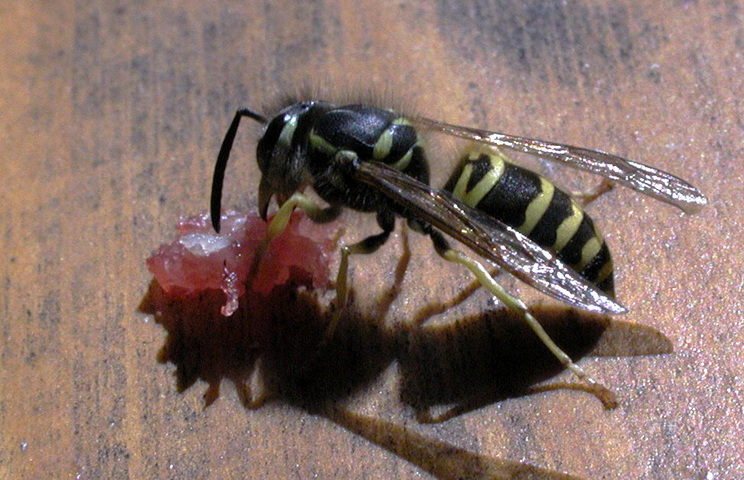
Introduction
The Common Wasp (Vespula vulgaris) is one of the most familiar insects in the temperate world. Found across Europe, parts of Asia, Australia, and New Zealand, this social insect plays a crucial ecological role as both predator and pollinator, yet its painful stings and late-summer raids on fruit have made it a nuisance at picnics worldwide. Understanding its biology reveals a far more fascinating creature than its reputation suggests.
Taxonomy
Vespula vulgaris belongs to the family Vespidae, which includes all true wasps, hornets, and paper wasps. The genus name Vespula is Latin for “little wasp.” It was formally described by Linnaeus in 1758. The species is often confused with the German Wasp (Vespula germanica), with which it shares many behavioral and morphological traits. Both species are among the most successful social wasps globally, having been inadvertently introduced to Australia, New Zealand, and parts of South Africa, where they have become invasive pests.
Physical Characteristics
The Common Wasp exhibits the classic wasp body plan: a slender waist, bright yellow and black banded abdomen, and smooth, shiny body surface. Workers measure 12 to 17 millimeters, while queens reach 17 to 20 millimeters. The species is distinguished by a characteristic anchor-shaped black marking on the face between the compound eyes. Similar social complexity is seen in the honey bee, which shares the wasp’s highly organized colony structure and division of labor.
Habitat
Common Wasps are highly adaptable, colonizing diverse habitats from urban gardens and woodland edges to coastal cliffs. Their nests are constructed in sheltered locations — underground burrows, hollow trees, wall cavities, roof spaces, and compost heaps. A nest is built from papier-mâché material produced by chewing wood fibers with saliva, creating a waterproof structure. Colonies can grow to several thousand individuals by late summer, though most nests never exceed a few hundred wasps.
Diet
The diet of Common Wasps changes dramatically across the colony cycle. In spring and early summer, workers are primarily predatory, hunting caterpillars, aphids, spiders, and small arthropods to feed developing larvae. In return, larvae secrete a sugary liquid that adults consume for energy. Late in the season, when larval production declines, workers shift to scavenging ripe fruit and nectar — a behavior that brings them into direct conflict with human farmers and gardeners. Like the lion, which hunts opportunistically depending on prey availability, the wasp adjusts its foraging strategy based on seasonal resource availability.
Reproduction
The annual colony cycle begins in spring when a fertilized queen, having overwintered in shelter, emerges to establish a new nest. She constructs a small cluster of hexagonal cells and lays her first eggs. Upon hatching, she alone cares for the larvae until the first workers emerge, after which they take over nest duties. In late summer, the colony switches to producing new queens and males, which mate, with mated queens overwintering while the old colony collapses and dies.
Conservation
Common Wasp populations remain robust in their native range, but they face indirect threats from broad-spectrum pesticides and habitat changes affecting their prey base. In New Zealand and Australia, Vespula wasps have become significant invasive pests, preying on native invertebrates and competing with native birds for sugary resources. Biological control programs using parasitic flies have been deployed to manage invasive populations.
Fun Facts
Common Wasps communicate using pheromones that can trigger alarm responses, signal colony disturbance, or guide nestmates to food. A single disturbed wasp can release an alarm pheromone that rallies an entire colony into defensive attack within seconds. They also engage in collective thermoregulation — fanning their wings to cool the nest on hot days — demonstrating cooperation that rivals many celebrated insect societies.
Despite their reputation, Common Wasps are among the most beneficial insects in temperate gardens, consuming thousands of caterpillars and aphids that would otherwise damage crops throughout the growing season.
Their presence in a garden is therefore a sign of a healthy, functioning ecosystem, and their seasonal decline in late summer is a natural part of the annual cycle that benefits both wildlife and human agriculture alike.