 By st20113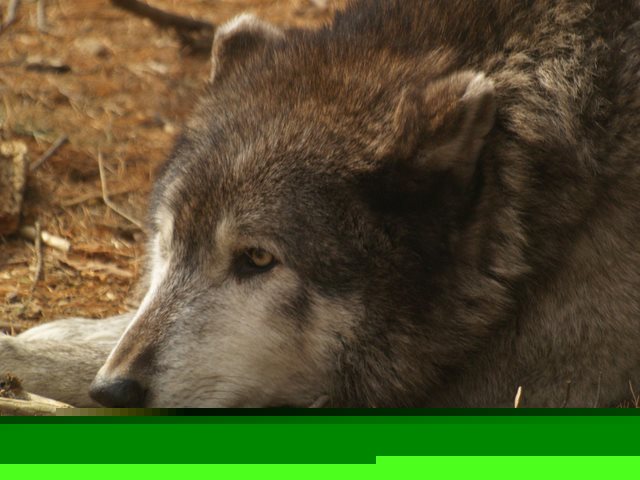
Introduction
The gray wolf (Canis lupus) is the largest wild member of the Canidae family and the ancestor of the domestic dog. Once roaming across most of the Northern Hemisphere, gray wolves were nearly wiped out across much of their historic range by the mid-twentieth century, only to recover in recent decades through determined conservation efforts. Today, viable populations persist in North America, parts of Europe, and scattered pockets of Asia. A highly social predator, the gray wolf lives in family groups called packs, typically comprising six to ten individuals led by a dominant breeding pair. The species plays a pivotal ecological role as an apex predator, helping to regulate ungulate populations such as elk and moose. Their haunting howl remains one of the most evocative sounds of the wild.
Taxonomy
The gray wolf belongs to the genus Canis within the family Canidae, order Carnivora, and class Mammalia. Carl Linnaeus first described the species in 1758. The domestic dog is classified as a subspecies, Canis lupus familiaris. Roughly 37 subspecies of Canis lupus are recognised, ranging from the small, pale Arabian wolf to the large, heavily furred wolves of Alaska and Canada. Gray wolves share their genus with side-striped jackals and the coyote.
Physical Characteristics
Gray wolves are powerfully built animals adapted for endurance and strength. Adults typically weigh between 30 and 80 kilograms, with males larger than females. Body length ranges from 1 to 1.5 metres, not including the bushy tail. Fur colour ranges from white and gray through brown to nearly black. Wolves have long legs, a broad muzzle, and teeth adapted for seizing and tearing prey. Their iconic howl is audible up to ten kilometres away, used to assemble the pack, communicate across territories, and warn rival packs. Their keen sense of smell and acute hearing make them formidable hunters.
Habitat
Gray wolves historically occupied forests, tundra, grasslands, and deserts across the Northern Hemisphere. Today their distribution is far more fragmented. In North America, wolves are found in Canada, Alaska, the northern Rocky Mountains, and the Great Lakes region. European populations survive in Scandinavia, Poland, and the Balkans. In Asia, wolves persist across Russia, Mongolia, and China. Gray wolves are highly adaptable and can survive in habitats as varied as the Arctic tundra and arid deserts, establishing territories covering hundreds of square kilometres.
Diet
The gray wolf is a carnivore that primarily hunts medium and large ungulates including elk, moose, deer, bison, and caribou. Wolves also supplement their diet with smaller prey such as beavers and rabbits when larger prey is scarce. A single wolf can consume up to nine kilograms of meat at a meal, though they can survive on far less when food is scarce. The pack hunting strategy allows wolves to take down prey far larger than any individual wolf could handle alone. Wolves also scavenge from carcasses when the opportunity arises.
Reproduction
Gray wolves are monogamous, typically forming lifelong pair bonds. Only the alpha pair of a pack breeds. Breeding occurs once per year, usually between January and March. After a gestation of approximately 63 days, the female gives birth to a litter of four to six pups in a den. Newborn pups are blind and entirely dependent on the mother and pack. Pups begin to emerge from the den at around three weeks and are fully weaned by eight weeks. Most wolves leave their birth pack to find a mate by the age of two or three years.
Conservation
The gray wolf was hunted to near extinction across much of its range. In the United States, it was listed under the Endangered Species Act in 1973, triggering recovery programs that helped populations rebound. Wolves were reintroduced to Yellowstone National Park in 1995, producing measurable improvements to the broader ecosystem. In Europe, wolf numbers have slowly increased in Italy, Spain, and Germany, though conflicts with livestock farmers remain contentious. Conservationists emphasise that healthy wolf populations benefit ecosystems by keeping prey populations in balance.
Fun Facts
Gray wolves can sprint at speeds of up to 70 kilometres per hour. Wolves can identify each other individually by the sound of their voices alone. A wolf pack can consume an entire elk carcass in under two hours. The gray wolf contributed the largest share of DNA to the genetic makeup of modern domestic dogs, making it the ancestor of every breed from the Chihuahua to the Great Dane.