 By st20113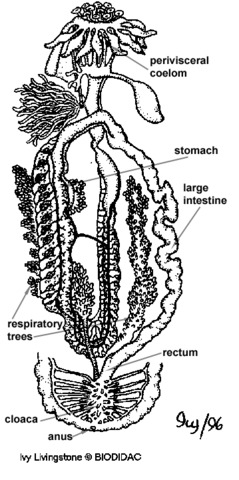
Introduction
Holothuria forcipifera is an echinoderm found throughout the Indo-Pacific region. Despite its unassuming, cucumber-like appearance, this marine invertebrate plays a pivotal ecological role on coral reefs and sandy seabeds. Sea cucumbers as a group are among the most important sediment processors on Earth, recycling nutrients and maintaining benthic ecosystem health. Their extraordinary defense mechanisms and commercial value have made them subjects of scientific interest worldwide.
Taxonomy
Holothuria forcipifera belongs to the family Holothuriidae within the class Holothuroidea (sea cucumbers), part of the phylum Echinodermata. The species epithet forcipifera means “bearing forceps,” referring to the distinctive shape of its modified tube feet around the mouth. The species was formally described by Édouard de Villers in 1780. Molecular studies have revealed considerable cryptic diversity within what was traditionally classified as a single widespread species.
Physical Characteristics
The body of H. forcipifera is elongated and cylindrical, typically measuring 20 to 40 centimeters in length. Its dorsal surface is covered with a leathery, warty skin ranging from dark brown to olive green, often with lighter patches that provide camouflage against the reef substrate. The most distinctive feature is the arrangement of 20 to 30 large, forceps-shaped papillae around the anterior end. Internally, the species possesses a respiratory tree — a branched system of tubes connected to the cloaca — through which it draws oxygenated water. Like the common octopus, this species relies on specialized respiratory adaptations to meet its oxygen demands in challenging environments.
Habitat
This species inhabits shallow tropical waters throughout the Indo-Pacific, from the Red Sea and East Africa to Polynesia, and from Japan to northern Australia. It is most commonly found on coral reefs, reef flats, and adjacent sandy or rubble-strewn substrates at depths from the intertidal zone to approximately 30 meters. Like the coral it often lives alongside, the sea cucumber thrives in high-biodiversity marine environments and is sensitive to organic pollution, making it a useful indicator of reef water quality.
Diet
Holothuria forcipifera is a deposit feeder, consuming detritus, organic particles, and microorganisms from bottom sediments. It uses mouth tentacles to gather and sort sediment particles before ingestion. Indigestible material is expelled as fine threads. A single large individual can process several kilograms of sediment annually, recycling nutrients and aerating sediments in a process analogous to earthworm activity on land. This ecological service is shared with burrowing species like the manta ray, which stirs up sediment while feeding and contributes to nutrient cycling across reef ecosystems.
Reproduction
Sea cucumbers of this species reproduce through broadcast spawning, releasing eggs and sperm directly into the water column during synchronized events triggered by temperature changes, lunar phase, or chemical cues. A single female can release hundreds of thousands of eggs per spawning event. Fertilized eggs develop into free-swimming larvae that drift for several days to weeks before settling and metamorphosing into juveniles. Some sea cucumbers also reproduce through fission, where a single individual divides into two viable halves, each regenerating missing organs.
Conservation
While H. forcipifera is not currently globally threatened, many sea cucumber species face severe pressure from overharvesting for the dried product known as trepang or bêche-de-mer in Asian markets. The commercial demand has led to unsustainable fishing across the Indo-Pacific. Marine protected areas that restrict bottom trawling and hand-collection have proven effective at sustaining wild populations.
Fun Facts
When threatened, many sea cucumbers employ evisceration — violently contracting their body to expel internal organs, including the respiratory trees and portions of the gut, through the anus. These sticky, toxic threads called cuvierian tubules entangle predators and are regenerated within weeks. Some species can also stiffen their body into an almost rigid state, making them nearly impossible for predators to swallow.
In traditional Chinese medicine, sea cucumbers have been prized for centuries for their purported health benefits, including joint support and circulatory improvement, though scientific evidence for these claims remains limited.
They are also known to host symbiotic pearlfish in their cloaca, an unusual relationship that has fascinated marine biologists for decades and underscores the sea cucumber’s role as a keystone species in tropical marine environments.