 By st20113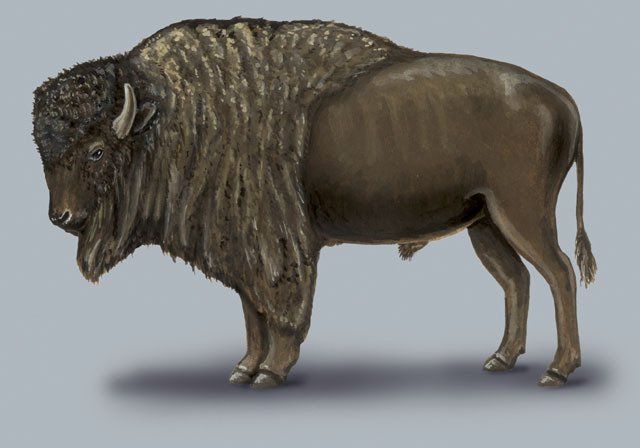
Introduction
The American Bison, often mistakenly called buffalo, is an iconic symbol of North American wildlife and one of the continent’s most impressive land mammals. Once numbering in the tens of millions and roaming across vast prairies, bison.
Bison hold profound cultural significance for many Native American tribes, who relied on these animals for food, clothing, shelter, and tools. The relationship between indigenous peoples and bison represents one of the most intimate connections between humans and wildlife in North American history. Modern conservation programs continue to involve Native American communities in bison management.
Taxonomy
The American Bison belongs to the family Bovidae, which includes cattle, goats, sheep, and antelopes. Its scientific name, Bison bison, reflects its taxonomic history where the genus and species names became identical. The American.
Two subspecies of American Bison are recognized: the Plains Bison and the Wood Bison. The Plains Bison traditionally inhabited grasslands of central North America, while the Wood Bison occupied boreal forests of northwestern Canada.
Physical Characteristics
American Bison are massive, powerfully built animals with a distinctive shoulder hump and shaggy dark brown coat. Adult males typically weigh between 700 to 1,100 kilograms and measure 1.7 to 2 meters tall at the shoulder. Females are smaller, weighing 320 to.
The characteristic hump on a bison’s shoulders consists of muscle supported by long vertebrae, providing strength to plow through deep snow. Both males and females have curved horns that can reach 60 centimeters in length. Their thick winter coat provides excellent insulation, allowing bison to survive in harsh climates where temperatures drop below minus 40 degrees.
Habitat
Historically, American Bison roamed across an enormous range extending from Alaska and northern Canada through the United States and into northern Mexico. They occupied diverse habitats including prairies, plains, open woodlands, and boreal forests. The vast herds were most closely associated with grassland ecosystems of the Great Plains, where they played a keystone role in maintaining prairie health through grazing patterns.
Today, wild bison populations are restricted to scattered preserves, national parks, and private ranches. Major populations exist in Yellowstone National Park, Wind Cave National Park, and various state and tribal lands. Like the Brown Bear, bison require large areas of protected habitat to maintain healthy populations.
Diet
American Bison are herbivores with a diet consisting primarily of grasses and sedges. They spend most of their day grazing, consuming approximately 1.6 percent of their body weight in vegetation daily. Their massive heads and strong neck muscles allow them to push through snow to access buried plants during winter.
During spring and summer, bison prefer fresh green grasses and protein-rich new growth. As seasons change, they shift to whatever vegetation is available, including dried grasses and occasionally browse on shrubs. Their rumen-based digestive system efficiently extracts nutrients from fibrous plant material, helping them survive across varied ecosystems.
Reproduction
The bison mating season, called the rut, occurs during late summer, typically July through September. During this period, mature bulls compete intensely for access to receptive cows through vocalizations, displays, and physical combat. Dominant bulls gather and defend groups of cows, while younger males are often driven away.
After a gestation period of approximately 285 days, cows give birth to a single calf in spring, typically April or May. Newborn calves are reddish-brown and can stand within hours of birth. They nurse for several months but begin grazing within their.
Conservation
The conservation story of the American Bison represents one of the most dramatic wildlife recovery efforts in history. From an estimated 30 to 60 million animals before European colonization, bison numbers plummeted to fewer than 1,000 individuals by the late 1880s. Conservation pioneers and Native American tribes protected the last remaining herds, forming the foundation for all modern bison populations.
Today, approximately 500,000 bison exist in North America, though most are managed as livestock rather than wild animals. Conservation organizations continue working to establish larger wild herds and restore bison to their ecological role. Genetic diversity remains a concern due to the small number of founders in modern populations.
Fun Facts
American Bison are the largest land mammals in North America and can jump nearly 2 meters vertically from a standing start. Despite weighing nearly a ton, they are surprisingly athletic. The bison has served as the official national mammal of the United States since 2016. Unlike the African Lion, bison are peaceful grazers but can become dangerous when provoked.
President Theodore Roosevelt played a crucial role in bison conservation, helping establish the American Bison Society in 1905. The bison on the reverse side of the Buffalo Nickel remains one of the most iconic American coin designs. Many people mistakenly call bison “buffalo,” but true buffalo species live in Africa and Asia and are only distantly related.