 By Iris
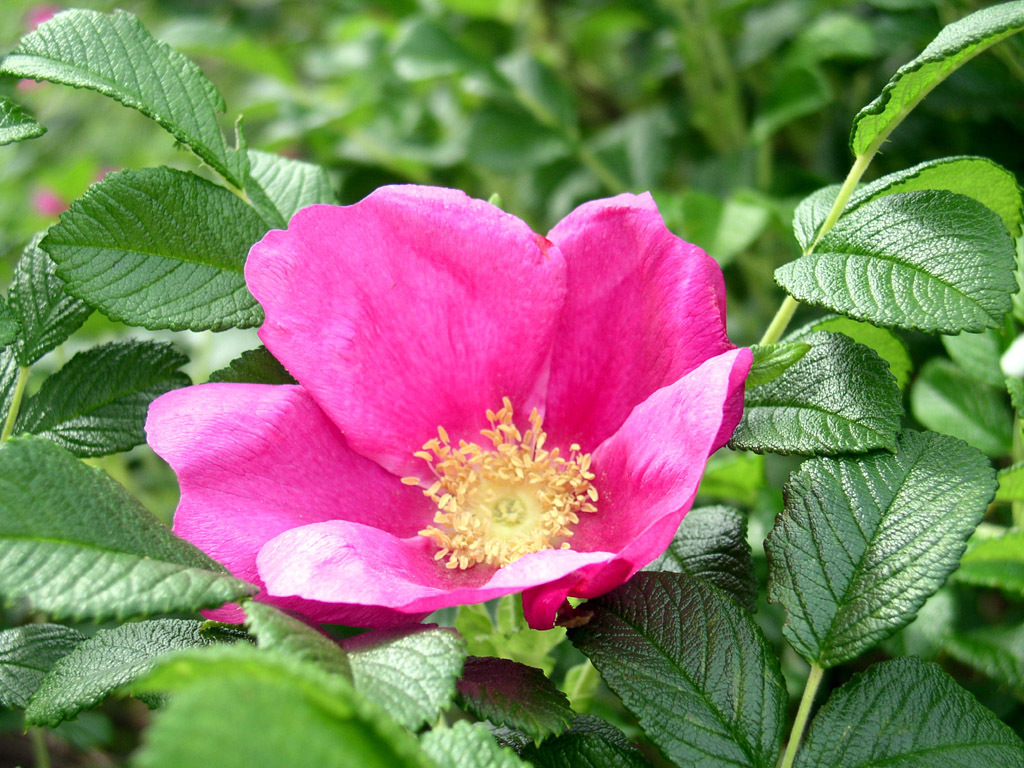
Rosa spp. | Rose
Species Profile · Rosaceae
Rose
Sharp growth on these stems is skin, not wood, and the plant spreads by grafts as much as by seed.
Cultivated / wild
Wild species
Height
Wild petals
Leaflets
Rose oil
Cut flowers
A shrub we rebuilt
Five thousand years of crossing
A rose is a shrub that people have moved, crossed and renamed for 5,000 years. Wild kinds carry five flat petals. Garden kinds may carry 50 or more in a tight ball. Both belong to one genus of about 100 to 150 wild species.
China and Mesopotamia grew the first garden roses 5,000 years ago. The habit has never stopped since. Cut flowers, perfume and medicine all come from this one group of plants. Few plants have been so thoroughly rebuilt by human hands.
Because growers cross anything that flowers, the family tree is a tangle. One bed may hold crosses whose wild parents lived on different continents. That history makes the rose easy to love and hard to sort out.
One genus, messy edges
Where the rose sits
The scientific name is Rosa spp., a label that covers the whole wild genus. Rosaceae, the wider family, also holds apples, plums, brambles and meadowsweet. Wild species number about 100 to 150, and growers still argue over the exact count.
Crosses between species produce fertile young, which blurs the lines further. A bud that sports a new colour can become a named variety overnight. Gardeners count tens of thousands of such named forms.
Botanists sort wild roses by leaf, hip and habit rather than by petal colour. That method still leaves some plants in dispute for decades. The Lady’s Slipper sits in another family altogether, though both reach the garden trade as costly and fussy plants.
Prickles, leaves and stamens
What the shrub is made of
Wild roses grow 1 to 5 m tall as loose shrubs. Leaves are compound, with 3 to 9 toothed leaflets set along the stem. Most shed them in autumn.
Stems carry prickles, which are outgrowths of the skin and not true thorns, so they peel off under a thumbnail. A prickle has no deep hold in the wood, and hooked ones catch wool, sleeves and fur, so the plant travels with its hitchhiker. Wild flowers hold five petals, five sepals and a crowd of stamens.
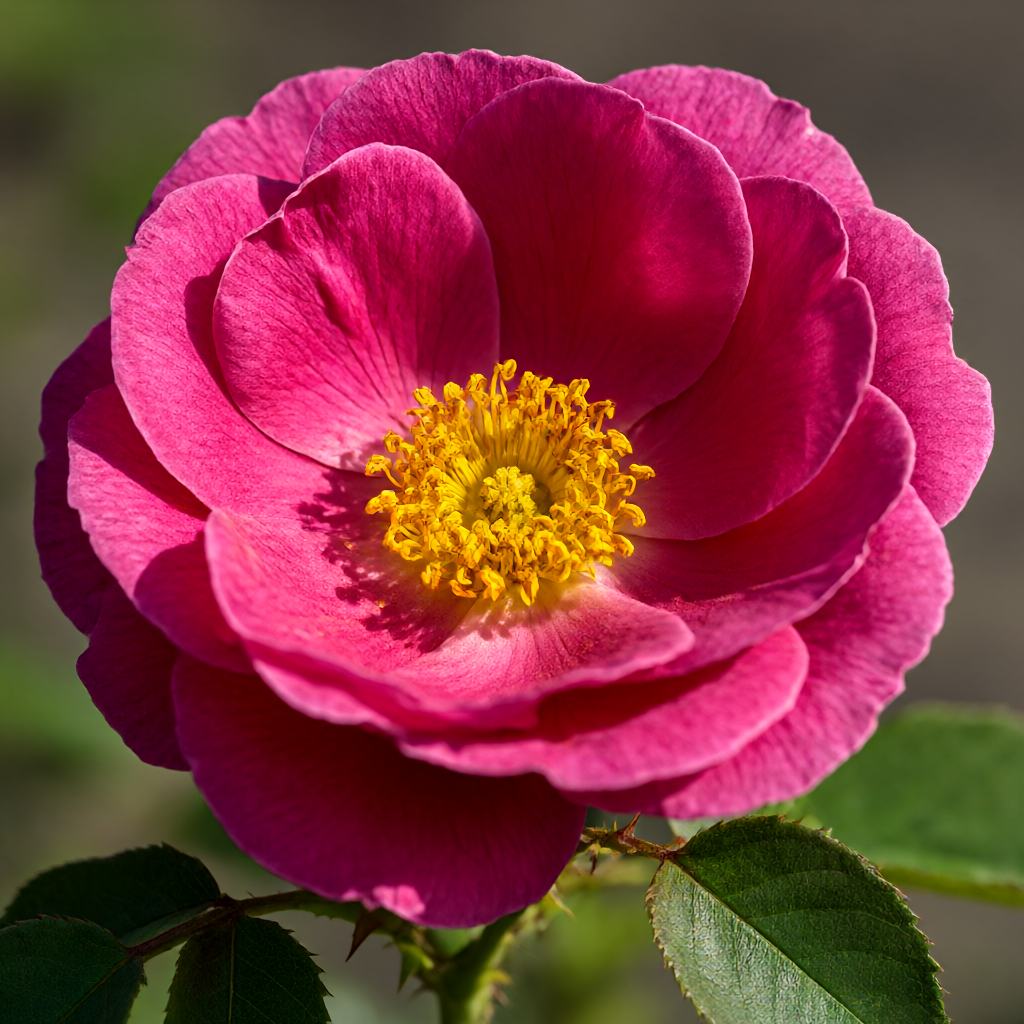
Colours run from white through pink to deep red, with yellow in some species. Scent comes from oils in the petals, yet it fades fast as the flower ages. Double garden forms pack 50 petals or more into one bloom.
1
2
3
Hedgerows and dry banks
Where wild roses grow
Cool woodland edge, hedgerow, scrub and dry bank suit most wild kinds. They take full sun but tolerate half shade. Deep soil helps the roots settle, though many wild kinds hold poor ground. Hedgerows gave wild roses a long corridor across farmland.
When those hedges came out of the fields, local patches of wild rose went with them and never returned. Wet mud suits the Sacred Lotus, while a dry bank suits this shrub. Garden roses live where watering and pruning arrive on a schedule. Because bare roots dry fast, growers lift plants in dormancy and move them quickly.
A steep bank or a wall suits kinds that sprawl rather than stand. Sea wind burns the leaves, so coastal plantings need a wall or a taller hedge to break it.
Water, light and sugar
How the plant feeds itself
Roots draw water and minerals. Fine root hairs do most of that work, and they die back and regrow with each change of season. Water climbs to the leaves through narrow tubes in the stem. Leaves then build sugar from light, air and that water.
Deep shade gives weak growth. Prickles keep browsers off the stems, although deer still crop the tips. Scent pulls in bees from a distance, and it costs the plant energy. Some wild kinds carry scent only in the morning, when their insects fly.
Grafting joins a chosen top to a tough root, because that root must survive winter. One plant can then carry several named roses on separate stems.
Flowers, hips and seed
How a rose makes more roses
A rose flower holds both male and female parts. Stamens shed pollen, and the stigma at the centre waits for a grain to land. Bees do the moving, drawn by colour, scent and a gift of nectar. Pollen from another plant gives better seed than pollen from the same bush.
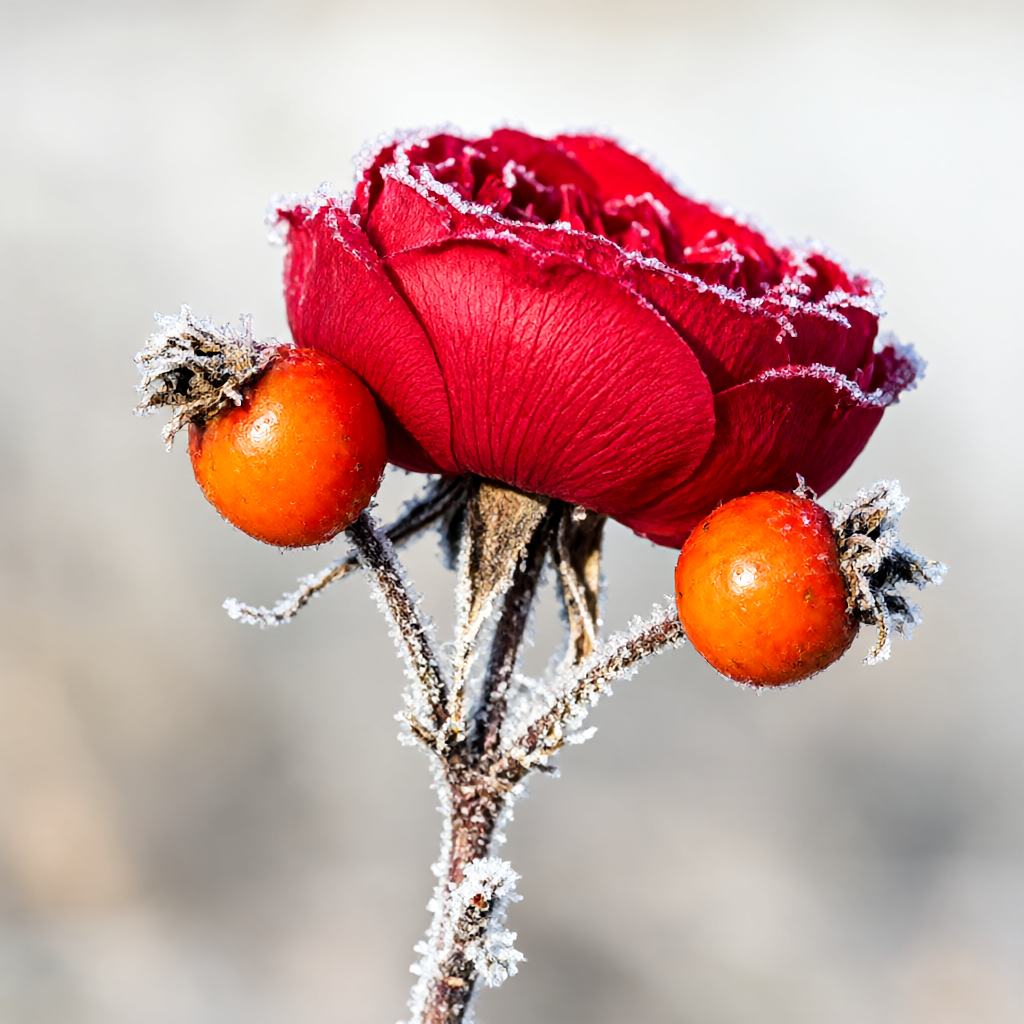
After the visit, the base of the flower swells into a hip. Hips ripen red, orange or near black, and each holds several seeds. Birds eat the flesh in winter and pass the seeds somewhere new, while each hip carries far more vitamin C per gram than an orange. Gardeners rarely wait for seed.
Seedlings vary, and they take years to flower. Budding slips a single bud under the bark of a rootstock, and the join knits within a few weeks. That trick copies a good plant exactly, which seed never does.
Spots, mildew and aphids
What the plant has to survive
Wild roses as a group are not globally threatened, and most remain common. Pressure comes from tidy farming, which removes the hedges they need. Some mountain kinds have tiny ranges. Garden roses face other troubles, and crowding makes every one of them worse.
Black spot marks the leaves with dark blotches and makes them fall. Mildew dusts the stems white in damp air. Aphids crowd new shoots and suck sap until the tips curl. Because wet leaves spread the fungus, growers water at the root and leave space for air to move.
Bulgaria and Morocco still distil rose oil, and pickers work before dawn. One kg of that oil can cost more than 10,000 dollars, so every petal counts.
Side by side
How It Compares
| Trait | Rose | Lady’s Slipper |
|---|---|---|
| Habit | woody shrub, 1-5 m | small ground orchid |
| Flower | 5 to 50 or more petals | pouch shaped lip |
| Reward offered | nectar and pollen | none, insects are fooled |
| Defence | hooked prickles | no prickles at all |
| Spread | seed, budding and grafts | seed, needs a fungus |
| Standing | wild and cultivated | protected by law |
Common misreadings
What People Get Wrong
- Most garden guides call the sharp growths on a rose stem thorns, but the word is wrong. What grows there is skin deep prickle, and a true thorn carries wood inside it.
- People often say every rose smells sweet, yet scent varies by kind and by hour. Some wild roses release their perfume only while the morning bees are still flying.
- Growers say seed is cheap, but no seedling repeats the parent bush exactly. A single bud slipped under bark copies the chosen plant far more faithfully.
Going further
Sources and Further Reading
Five things to remember
Quick hits
- A prickle is skin, not a woody thorn.
- Hips carry more vitamin C than oranges.
- A hip is a fruit full of seeds.
- Rose oil can cost over 10,000 dollars a kg.
- Growers copy a rose from a single bud.