 By st20113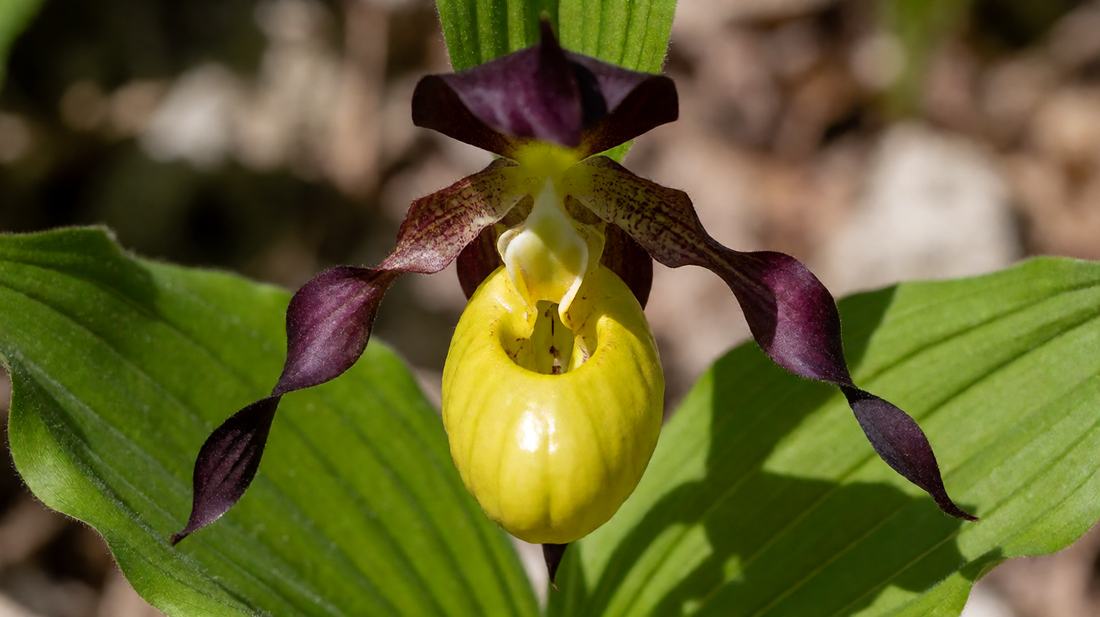
Cypripedium calceolus | Lady’s Slipper
Species Profile · Orchidaceae
Lady’s Slipper
Europe’s largest native orchid, a yellow trap flower that gives its bee visitors nothing at all.
Least Concern (2013) 2013 assessment
Height
Pouch
Petals
Bloom
First flower
Rating
The Lady’s Slipper
A trap with no reward
This orchid is Europe’s largest native one. One flower usually crowns each stem. A deep yellow pouch hangs below it. Two twisted petals trail beside it.
Stems run 20 cm to 70 cm. Leaves are broad and pleated, though the stem stays thin. Blooms open in May and last about 3 weeks. Although the flower looks showy, it offers no reward to its visitors.
Because the pouch works like a trap, a bee that enters must crawl out past the pollen before it can fly free. This one is the lady’s slipper.
Family tree
Orchidaceae, the orchid family
This orchid belongs to the family Orchidaceae. Linnaeus named it in 1753. Its genus holds about 50 species. Most grow in Asia.
Others reach Europe, while a few cross into North America. Orchid is the largest family among flowering plants. It holds more than 25,000 species. Slipper orchids form an old branch, since their pouch evolved long before the showy tropical kinds appeared.
Its closest relatives live in Asia. Wild hybrids are rare, though gardeners have made many.
70 cm with one yellow flower
How to tell one
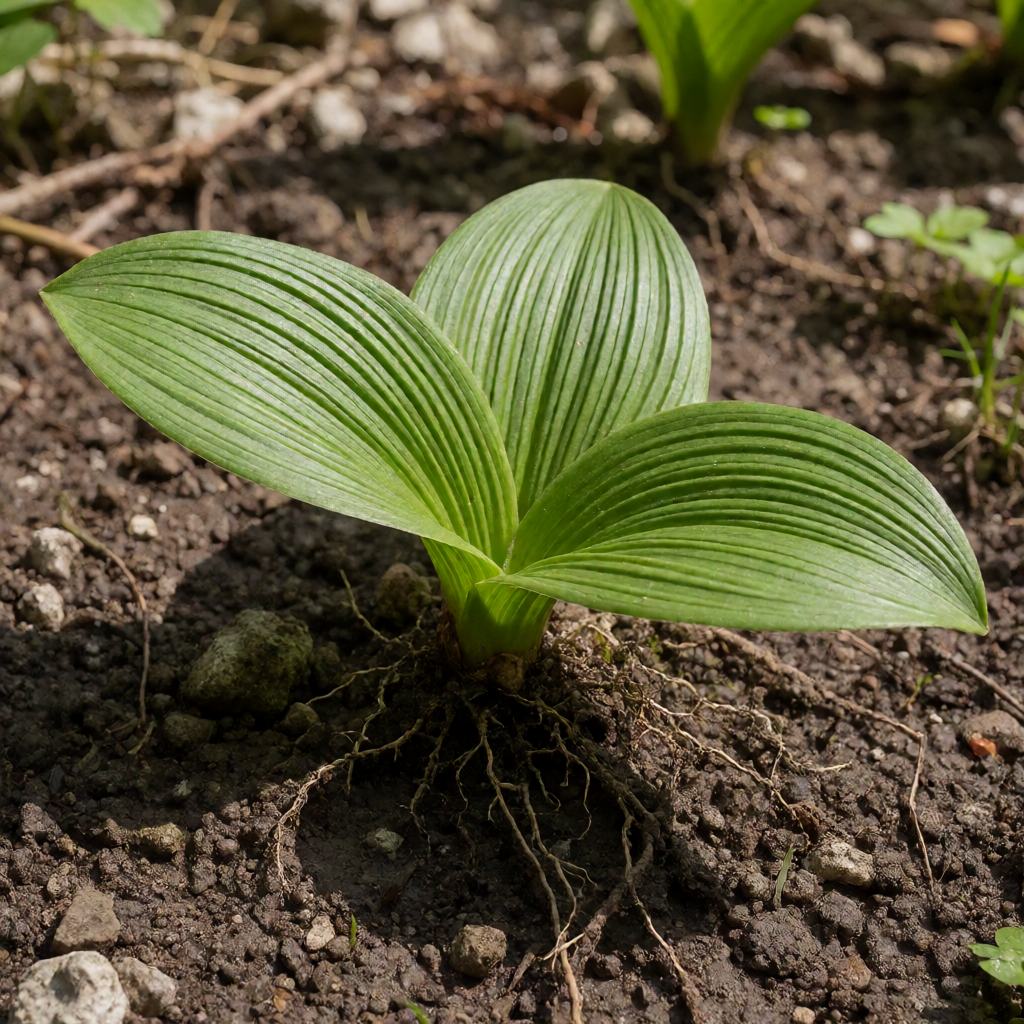
Two leaves sit at the base. Each leaf is wide and ribbed. Stems are green and slightly hairy, though the hairs are soft. A single flower tops the stem.
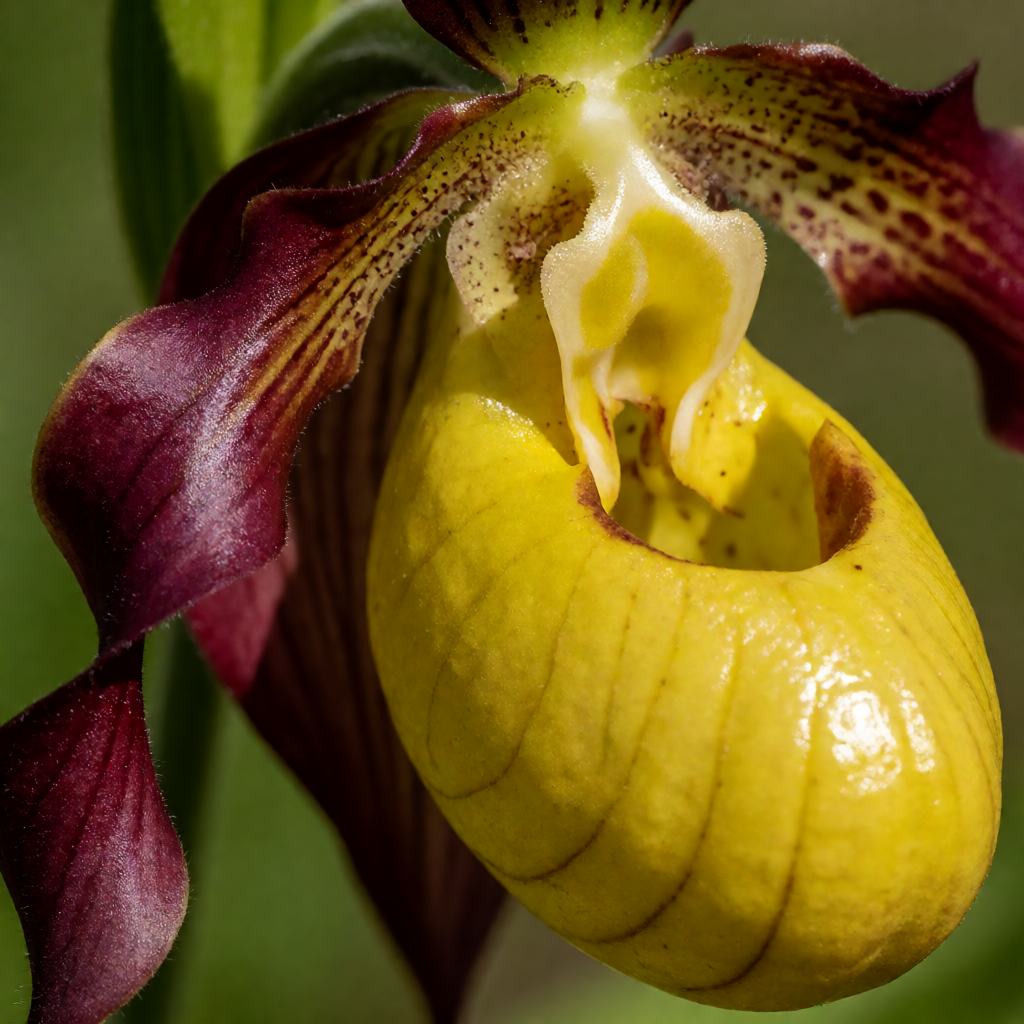
Its lip forms a deep yellow pouch. It measures 2 cm to 3 cm. Four petals surround the pouch. Two of them twist into long dark ribbons, while the others stay short and plain.
Because the pouch has a slick inner wall, an insect that falls in cannot climb back out the way it came. Its scent is faint but sweet.
1
2
3
Limestone woodland and scrub
Where it lives
Limestone soils suit it best. It grows in open woodland, though it needs shelter from wind. Dappled shade is ideal. Deep shade stops flowering.
Full sun dries it out. Its range stretches across Europe, but it is rare in the west. It reaches Siberia and parts of China. The species has vanished from many old sites.
Because the plant needs a fungal partner in the soil, it cannot be moved to a new site and simply planted. Farmland and conifer planting have removed much of its ground.
Sunlight and a root fungus
What it eats
Like all orchids, it makes its own sugar. Green leaves do the work. Water comes from rain. Minerals come from the soil.
A fungus helps with those. That fungus lives in the roots. It passes nutrients to the plant. Both sides gain from the deal, since the plant feeds the fungus in return.
Because the seedling has no food store of its own, it depends on that fungus for its first years of life. Nothing about this diet, however, is unusual for an orchid.
Seeds with no food store
The breeding cycle
A bee enters the pouch. The walls are smooth and waxy, though she tries to climb. Thus she cannot grip them. The only way out is a narrow tunnel.
She squeezes past the stigma first. She leaves with a sticky packet on her back. No nectar was given. Another flower pays the price, because the same trick waits there.
Seeds form in a dry capsule, and each one holds thousands of dust-like seeds that ride the wind. Young plants take 4 to 8 years to bloom.
Least Concern, rare in the west
Conservation
The IUCN calls the species Least Concern. Britain, however, tells a different story. A single wild plant survived there. It was fenced and watched for years.
Plants were later reintroduced. Collecting caused the collapse. Victorian gardeners dug up thousands. Indeed, most European countries now protect it by law.
Trade is banned under international rules. Because the species is still widespread in central and eastern Europe, its global future looks fairly secure for now.
Side by side
How It Compares
| Trait | Lady’s Slipper | Tropical Slipper Orchid |
|---|---|---|
| Home | cool European woodland | warm Asian rainforest |
| Flowers per stem | 1, sometimes 2 | 1 to 6 |
| Pouch colour | deep yellow | green, brown, or purple |
| Leaves | 2 broad pleated leaves | mottled evergreen leaves |
| Bloom season | May and June | mostly autumn and winter |
| Frost | survives it | needs steady warmth |
Common misreadings
What People Get Wrong
- This flower rewards its pollinator with nectar. Nothing is offered at all.
- You can dig one up and replant it. The plant needs a soil fungus and rarely survives.
- This orchid is rare everywhere. Central and eastern Europe still hold large numbers.
Going further
Sources and Further Reading
- IUCN Red List entry for Cypripedium calceolus
- Wikipedia, Cypripedium calceolus
- Linnaeus, C. 1753. Species Plantarum.
- Kull, T. and Arditti, J. 2002. Orchid Biology: Reviews and Perspectives. Kluwer.
Quick hits
Five things to remember
- Its pouch is 2 cm to 3 cm long.
- A wild British plant was guarded for years.
- Its seeds carry no food store.
- The flower gives no nectar.
- A single capsule holds thousands of seeds.