 By st20113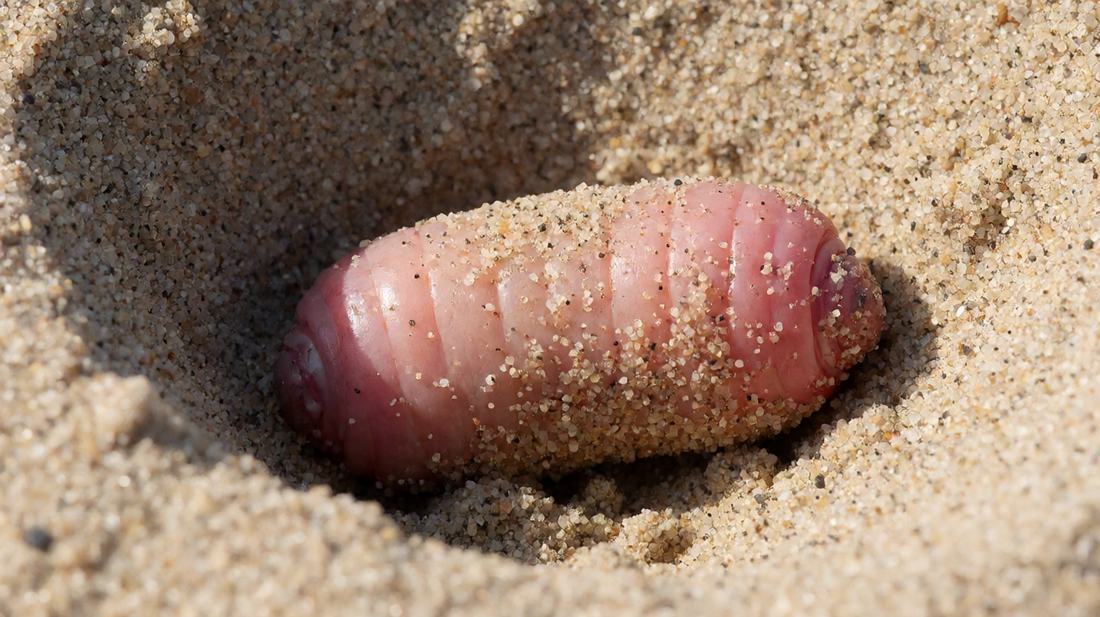
Urechis caupo | Fat Innkeeper Worm
Species Profile · Urechisidae
Fat Innkeeper Worm
A soft pink worm of Pacific mud flats that spins a mucus net to catch food and shares its tunnel with a fish, a crab and a scale worm.
A burrowing landlord that keeps three lodgers in its tunnel
Length
Tunnel
Lodgers
Feeding
Bait
Family
The Fat Innkeeper Worm
A landlord of the mud flats
This worm digs a curved tunnel in mud. The tunnel looks like a letter U. The worm never leaves its home.
It shares the tunnel with other animals. That is why people call it the innkeeper.
Family tree
Annelida, Urechisidae
The fat innkeeper worm is a sea worm. Its name is Urechis caupo. It has no segments like an earthworm. A tube dwelling neighbour is the Mediterranean Fanworm.
25 cm in a U shaped tunnel
How to tell one
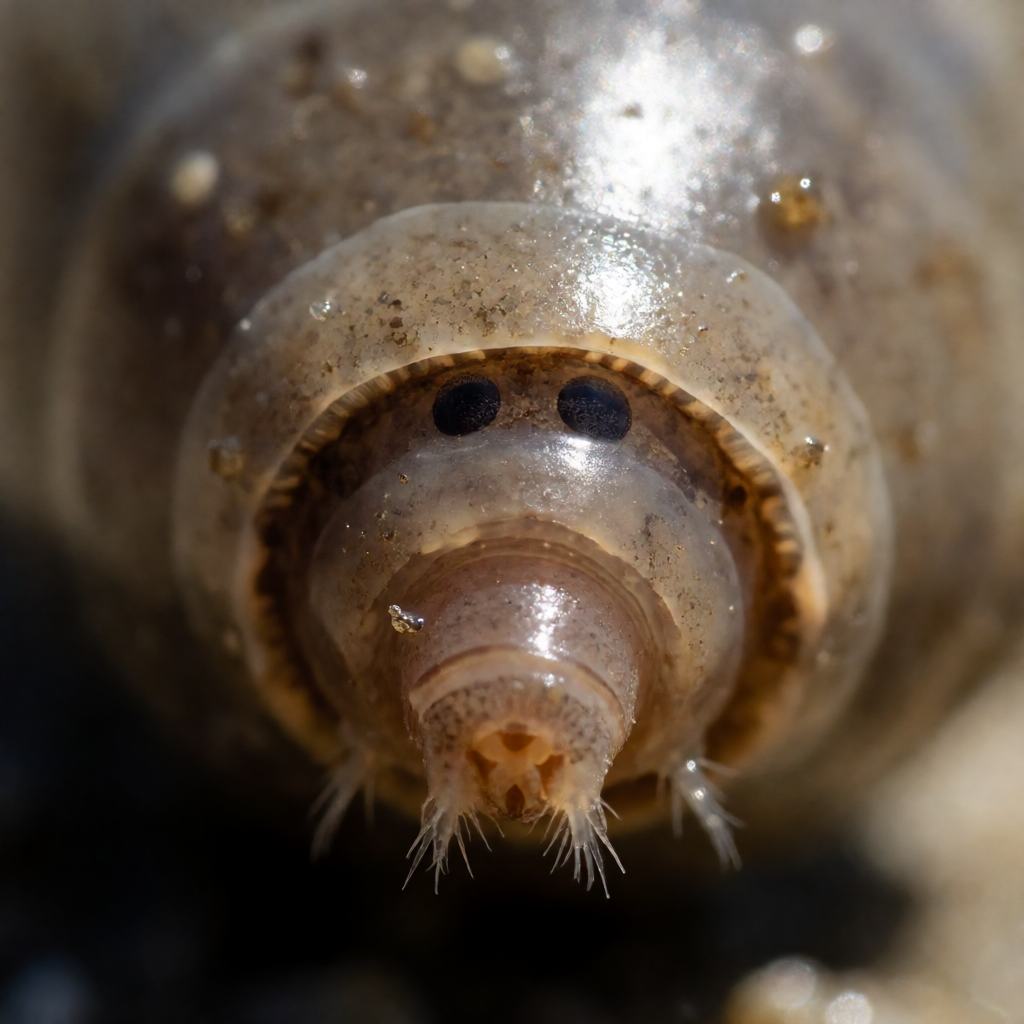
The body is soft and sausage shaped. It grows to about 25 cm long. The skin is pink and slightly wet. A short spoon sits at the front end.
There are no legs and no eyes. Tiny hairs cover the whole body. Ring muscles let it move in waves.
1
2
3
Pacific mud flats
Where it lives
It lives on the Pacific coast of North America. It digs in mud flats and river mouths. The tunnel may go 50 cm down.
It lines the walls with smooth mucus. The mud is often low in oxygen. It stays in one place all its life.
A net of mucus
What it eats
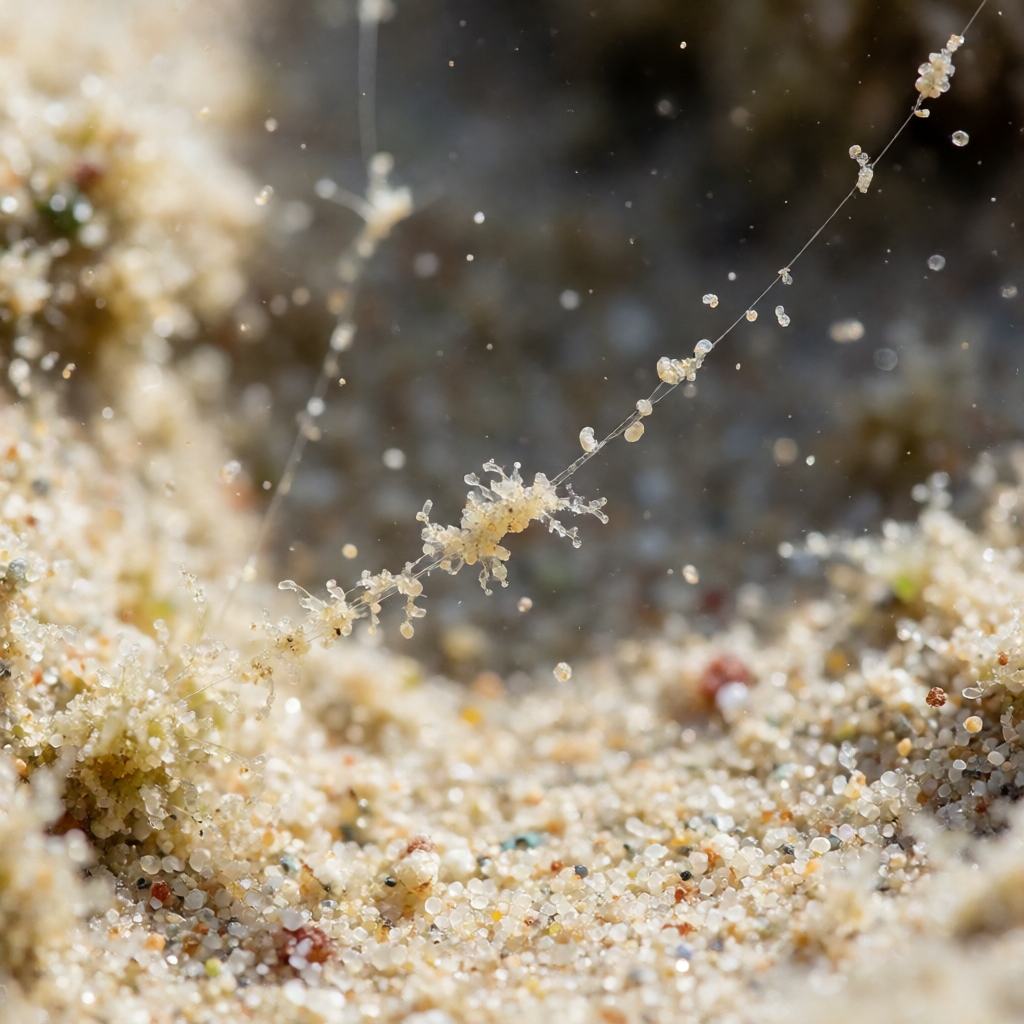
It does not hunt for its food. It spins a net of mucus inside the tunnel. Then it pumps sea water through the net.
Small plants and animals stick to it. The worm then swallows the net whole. It makes a fresh net many times a day.
Spawning once a year
The breeding cycle
Males and females release cells into the water. The eggs drift as tiny larvae. The larvae settle in the mud nearby.
A young worm digs its own tunnel. Adults spawn once a year in summer. Many young are eaten by fish.
Filled mud flats and bait digging
Conservation
This worm has no Red List entry. Mud flats are filled in for building. Digging for bait removes many worms.
Birds, rays and otters eat them. Clean estuaries keep their numbers up. Few people notice this hidden animal.
Quick hits
Five things to remember
- A goby fish lives inside its tunnel.
- A small crab also shares the burrow.
- A scale worm hides in the same home.
- In 2019 a storm washed thousands ashore.
- Fishers use it as bait for other fish.