 By st20113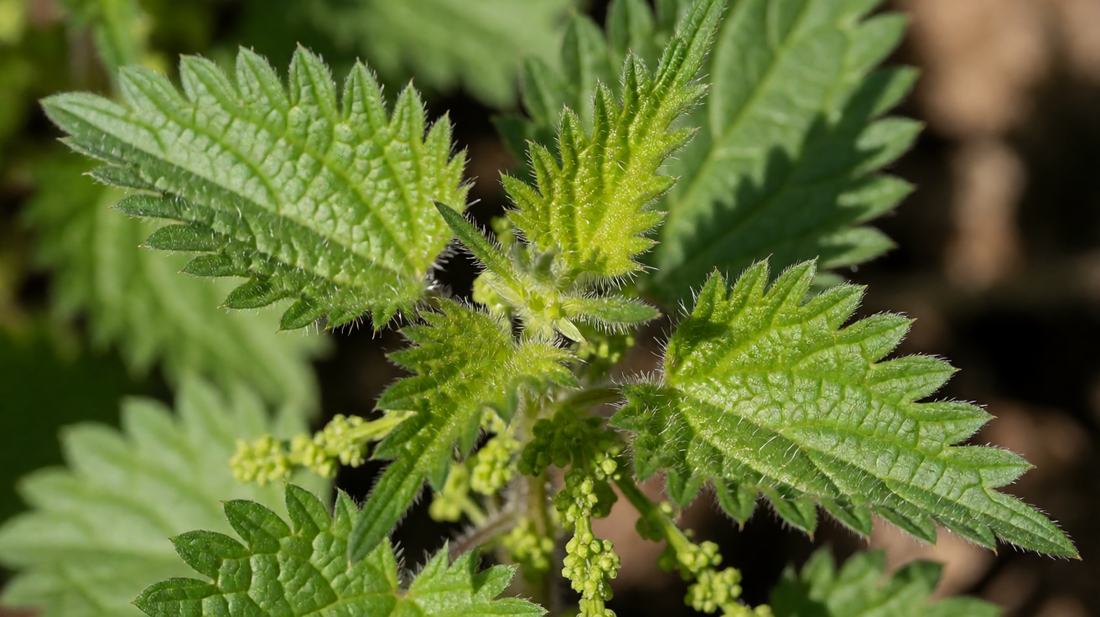
Urtica urens | Annual Nettle
Species Profile · Urticaceae
Annual Nettle
A small annual nettle of gardens and disturbed ground whose leaves carry sharp stinging hairs and whose seeds can wait years in the soil.
A small nettle that lives for a single season on bare ground
Height
Leaves
Stems
Flowers
Life
Family
The Annual Nettle
A single season nettle of bare ground
The Annual Nettle is a small stinging plant of disturbed ground. It is 1 of the two common nettles of Europe. Its leaves carry sharp stinging hairs.
The plant lives for a single season. It sets seed quickly on bare soil.
Family tree
Rosales, Urticaceae
The Annual Nettle belongs to the phylum Tracheophyta. Its class is the Magnoliopsida, the flowering plants. Its order is the Rosales. Its family is the Urticaceae, the nettles.
Our plant shares the family with the Stinging Nettle. That family holds many species. Most of them carry stinging hairs.
60 cm of stinging leaves
How to tell one
The plant grows 10 to 60 cm tall. The leaves measure 2 to 4 cm long. Their edges are deeply toothed.
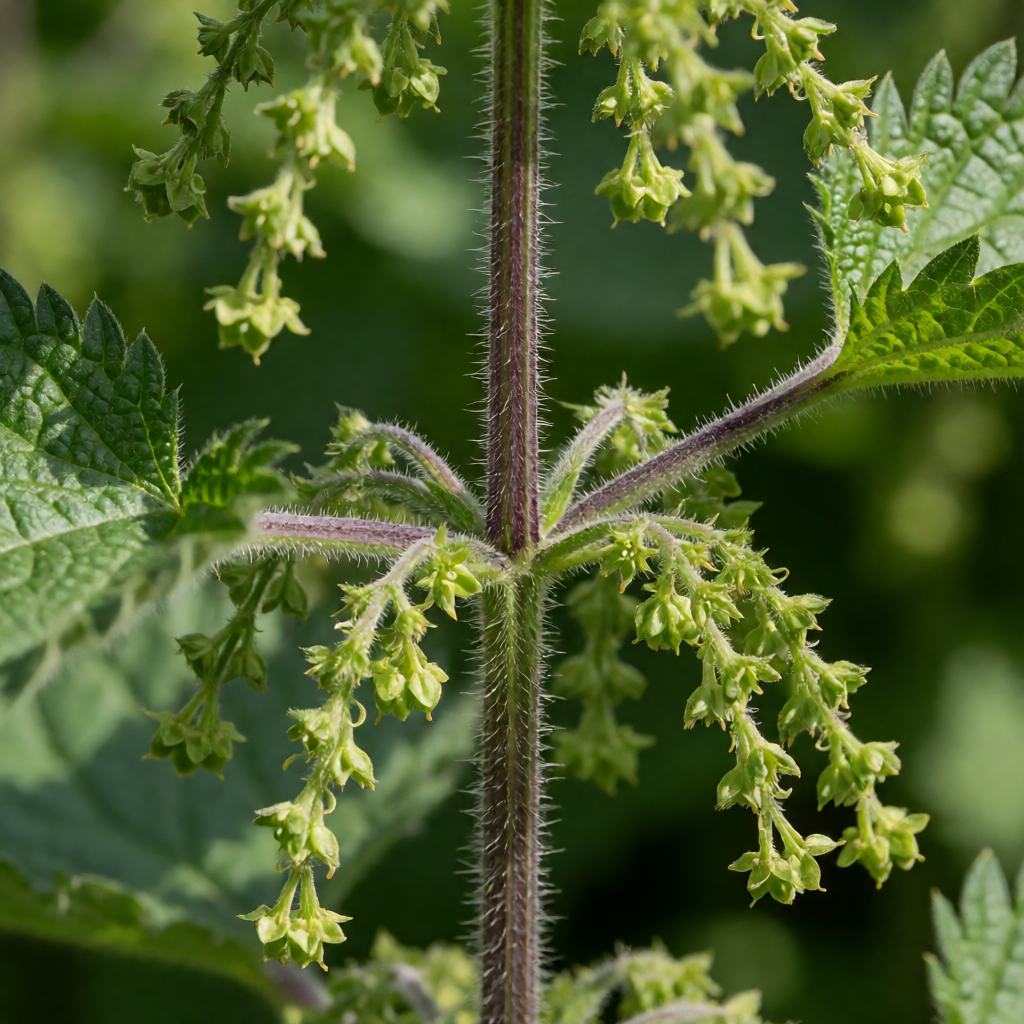
The colour is bright dark green. Stinging hairs cover the leaves and stems. The flowers are tiny and green.
They sit in clusters at the leaf base. The stems are square in section.
1
2
3
Gardens, farmland and waste ground
Where it lives
The species grows on disturbed ground. It is common in gardens and on farmland. It also grows on waste ground and walls. It needs rich soil with plenty of nitrogen.
It dislikes deep shade. It appears quickly on bare soil. It dies back at the first hard frost.
Sunlight, water and soil nitrogen
What it eats
The plant makes its own food from sunlight. It takes water and minerals from the soil. Rich ground suits it best.
It grows fast in warm weather. It needs plenty of light. It takes nitrogen from the soil around it.
Wind pollinated flowers and seed
The breeding cycle
The plant flowers from spring to autumn. Small green flowers sit in clusters. Wind carries the pollen between plants. Each plant sets a great many seeds.
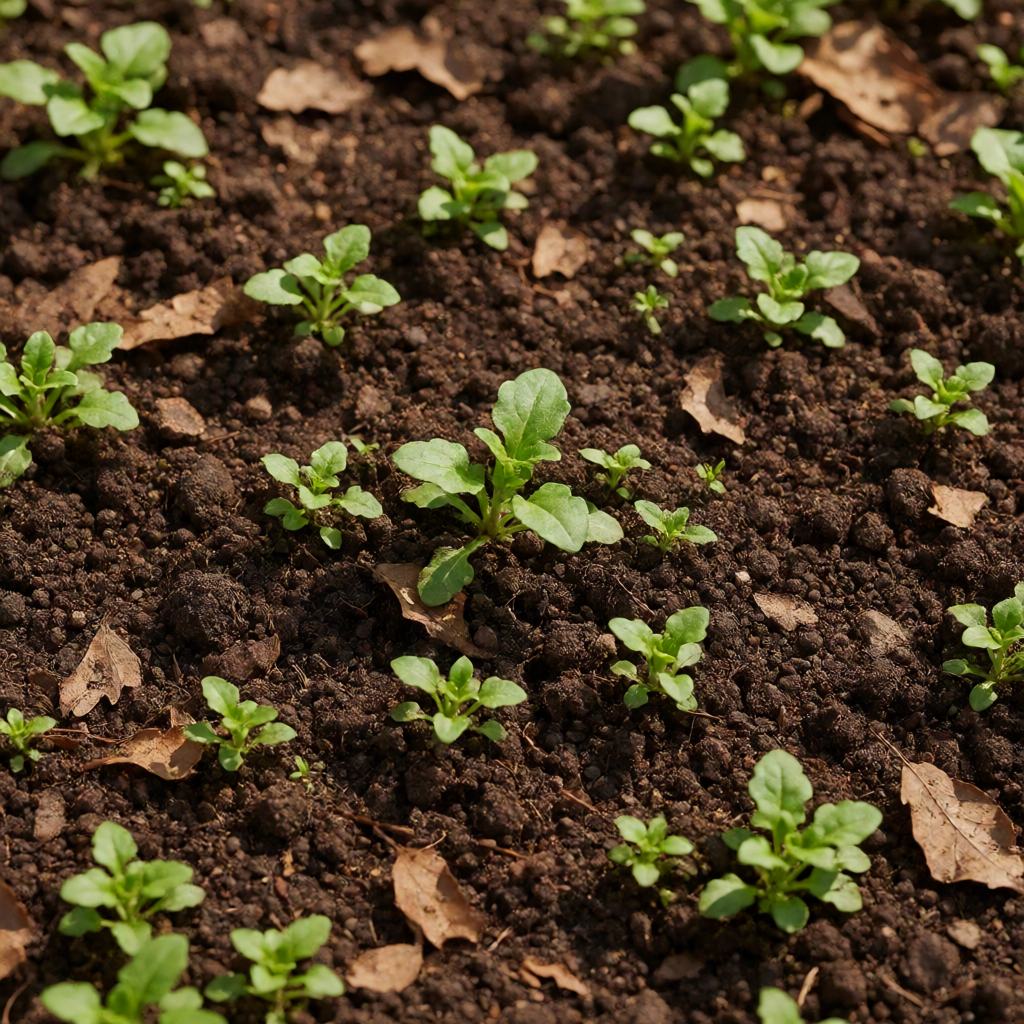
The seeds fall onto bare ground. They can wait years before they grow. The plant dies at the end of the season.
Weed killers and clean gardens
Conservation
The Annual Nettle is not assessed by the IUCN. It is common across much of the world. Its main need is bare rich ground. Weed killers remove it from gardens.
Farmers treat it as a nuisance. It grows well on land left alone. It feeds several kinds of butterfly.
Quick hits
Five things to remember
- The stinging hairs break off and inject fluid.
- It flowers within weeks of the seeds sprouting.
- Its seeds can survive for years in the soil.
- The stings fade within an hour in most people.
- It is a close relative of the common nettle.