 By st20113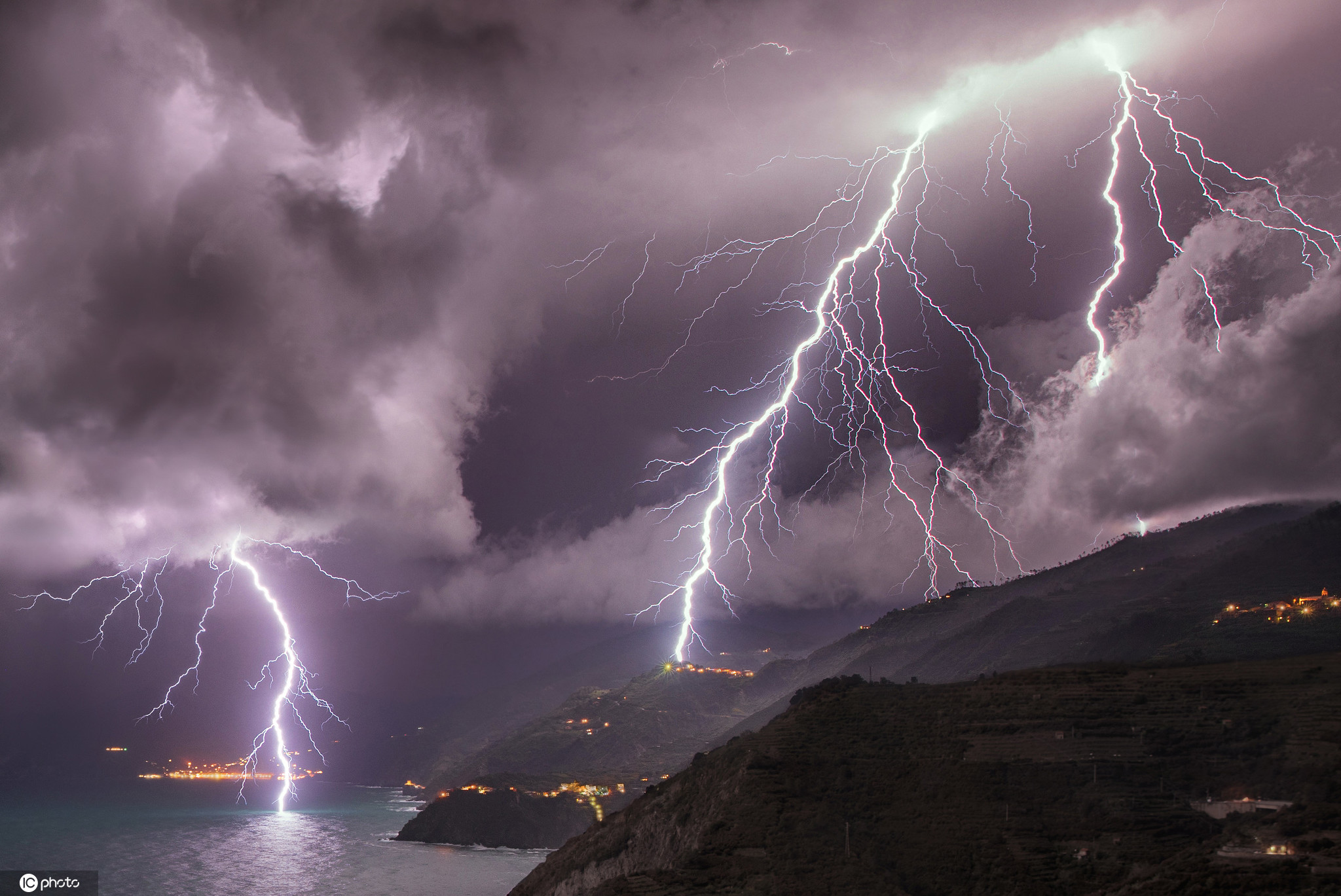
A Thunderstorm — also called an electrical storm or convective storm — is one of the most spectacular and physically powerful phenomena in the Earth’s atmosphere, a towering vertical cloud system produced by the rapid upward movement of warm, moist air that generates electrical discharges (lightning), heavy precipitation, strong winds, and sometimes hail. Thunderstorms occur on every continent and in every ocean on Earth, with approximately 2,000 active thunderstorms occurring at any given moment worldwide — generating approximately 50–100 cloud-to-ground lightning strikes every second globally, totaling approximately 1.4 billion lightning strikes per year. These storms are the atmosphere’s primary mechanism for releasing the energy stored in the tropical and subtropical atmosphere by solar radiation — energy that builds up through the Water Cycle as water evaporates from oceans, lakes, and the land surface and rises into the atmosphere, only to be released when that atmospheric moisture condenses into cloud droplets and precipitation. Thunderstorms are thus not merely dramatic weather events — they are fundamental components of the Earth’s climate system and the global Water Cycle.
The Physics of Lightning
Lightning is generated by the separation of electrical charges within thunderstorm clouds — a process that scientists are still working to fully understand. In most thunderstorms, the upper part of the cloud becomes positively charged (creating the faint glow of sprites and jets observed above some severe thunderstorms), while the middle and lower parts become negatively charged, and a small positive charge pocket forms near the base of the cloud. This charge separation is thought to result from the collisions between ice crystals and graupel (soft hail) particles within the cloud, which transfer electrons in a process that depends on temperature, cloud updraft speed, and ice particle characteristics. When the electrical potential between the cloud and the ground (or within the cloud) becomes large enough to overcome the air’s electrical resistance — approximately 300,000 volts per meter — a lightning strike occurs, with the brilliant flash of light produced by the rapid heating of the surrounding air to approximately 30,000°C (five times the temperature of the Sun’s surface) causing the air to expand explosively in the phenomenon we hear as thunder.
Lightning is a powerful driver of atmospheric chemistry and ecosystem processes. The extreme heat of lightning converts atmospheric nitrogen (N2) and oxygen (O2) into reactive nitrogen oxides (NOx) — a form of “lightning nitrogen” that is deposited in precipitation and enters the soil, where it fertilizes plant growth. This atmospheric nitrogen deposition is a significant source of natural soil fertility, particularly in tropical forests where photosynthesis rates are high and nitrogen is often the limiting nutrient. Lightning strikes also start wildfires in many ecosystems — from the boreal forests of Canada and Siberia to the tropical savannas of Africa and Australia — and these fires are a natural ecological process that shapes vegetation structure, nutrient cycling, and ecosystem dynamics. The African savannas — where African Wild Dogs, Lions, and Gray Wolfs hunt — are shaped in part by the fire ecology driven by lightning ignitions, with fire maintaining the open grassland structure that supports the large herbivores and predators of these ecosystems.
Thunderstorms and the Global Water Cycle
Thunderstorms are the atmosphere’s most dramatic manifestation of the Water Cycle, representing the rapid upward arm of the cycle in which water evaporated from warm ocean and land surfaces is transported high into the atmosphere and returned to the surface as precipitation. The most powerful thunderstorms — called supercells — can generate updrafts exceeding 150 km/h and extend to altitudes of 15–20 km, penetrating the stratosphere and generating the distinctive anvil-shaped tops characteristic of severe convective storms. The precipitation produced by thunderstorms — ranging from gentle rain to torrential downpours of 100+ mm per hour — represents a major component of total rainfall in many tropical and subtropical regions, where convective storms are the dominant precipitation mechanism. In the Amazon basin, thunderstorm outflows drive the atmospheric “rivers” of moisture that supply rainfall to the forest and ultimately sustain the incredible biodiversity of the Amazon ecosystem.
The distribution of thunderstorms globally is intimately connected to climate patterns and the Water Cycle. The highest frequency of thunderstorms occurs in equatorial regions — particularly the Congo Basin in Africa and the Amazon Basin in South America — where intense solar heating, abundant moisture from tropical oceans, and converging trade winds create ideal conditions for deep convection. The atmospheric circulation cells — Hadley cells, Ferrel cells, and polar cells — that distribute heat from the equator to the poles organize thunderstorm activity into zones of convergence and divergence that are fundamental to the global Water Cycle and climate system. Changes in thunderstorm frequency and intensity — which are projected as the atmosphere warms and the Water Cycle intensifies — have direct implications for ecosystems that depend on reliable precipitation patterns, from the tropical forests of the Amazon and Congo to the agricultural systems that feed billions of people.
Climate Change and Thunderstorm Intensification
Climate change is intensifying the Water Cycle, and thunderstorms are among the atmospheric phenomena most sensitive to this intensification. Warmer air can hold approximately 7% more moisture per degree Celsius of warming, providing more fuel for thunderstorm development and leading to more intense precipitation events. The relationship between thunderstorm intensity and climate change has been documented in observational data: the frequency of heavy precipitation events (the kind produced by intense thunderstorms) has increased across most land regions of the world, consistent with theoretical predictions. In the Blue Whale‘s krill-rich Antarctic feeding grounds and the tropical coral reefs threatened by ocean warming, changes in the Water Cycle are altering the patterns of atmospheric moisture transport that determine where precipitation falls — with profound implications for the marine and terrestrial ecosystems that depend on predictable rainfall.