 By st20113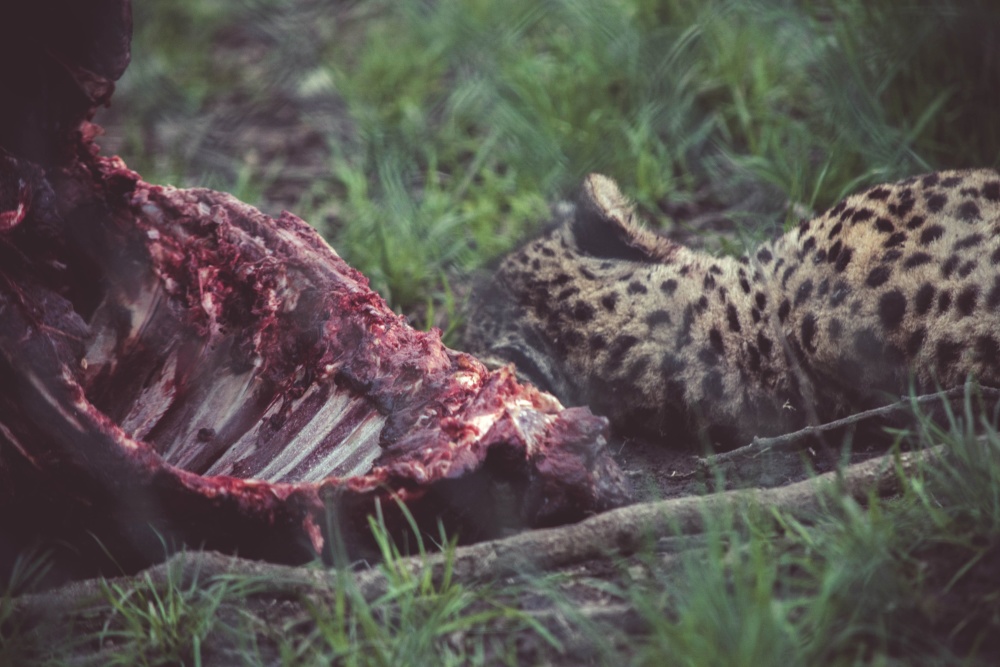
The Jaguar (Panthera onca) is the largest cat species in the Americas and the third-largest cat in the world, after the Tiger and Lion. Known for its powerful build and distinctive rosette-patterned coat, the Jaguar holds a significant place in both ecology and culture across the Americas.
Physical Characteristics
The Jaguar is a robust and muscular big cat, typically weighing between 56 to 96 kilograms (124 to 211 lbs), with males generally larger than females. Its coat ranges from pale yellow to tawny, decorated with black rosettes – circular patterns with spots inside – that provide excellent camouflage in forested environments. Unlike the Leopard, the Jaguar’s rosettes often contain central spots.
One of the Jaguar’s most remarkable features is its bite. It possesses the strongest bite force of all big cats, capable of piercing the shells of armored reptiles like crocodilians and turtles. This powerful jaw allows it to employ a unique killing method: biting directly through the skull of its prey rather than suffocating it by clamping the throat.
Habitat and Distribution
Historically, Jaguars ranged from the southwestern United States down through Central America to northern Argentina. Today, they are primarily found in the Amazon basin, the Pantanal wetlands of Brazil, and parts of Central America. Their preferred habitats include tropical rainforests, swamps, marshes, and dense scrublands, always in proximity to water sources.
The Amazon Ecosystem supports the largest Jaguar population, playing a crucial role in maintaining the balance of the rainforest food web as an apex predator.
Behavior and Diet
Jaguars are solitary hunters, primarily active during dawn and dusk (crepuscular) with some nocturnal behavior. Their diet is exceptionally diverse, encompassing caiman (alligators), capybaras, peccaries, deer, fish, and even anacondas. Unlike most big cats, Jaguars are strong swimmers and frequently hunt in water, ambushing caiman along riverbanks.
Conservation Status
The Jaguar is listed as “Near Threatened” on the IUCN Red List. Major threats include deforestation and habitat fragmentation, human-wildlife conflict, and illegal poaching. Conservation efforts focus on protecting corridors between fragmented habitats and reducing human-wildlife conflict in ranching areas.
Cultural Significance
Jaguars hold profound cultural importance, particularly for indigenous Mesoamerican civilizations. The Maya and Aztec peoples revered the Jaguar as a symbol of power, ferocity, and the underworld. Jaguar warriors (ocelots in Nahuatl) formed elite military units, and the animal was associated with deities of strength and warfare.