 By Iris
The Muisca | The Raft of Gold
Historical Profile · Colombia
The Muisca | The Raft of Gold
A highland people who cast gold for the gods, and gave Europe a legend that ruined them.
c. AD 800-1540
Height
Chiefdoms
Wealth
Craft
End
The big picture
Introduction
The Muisca lived on a high plain in the middle of what is now Colombia. Their land stood 2,600 metres above the sea, and it was cold at night. They farmed it, mined salt from it and built towns across it. Four great chiefdoms shared the plain, and two of them, Bogota and Tunja, held the rest in check. A ruler called the zipa held Bogota, and a rival called the zaque held Tunja.
Two thrones fought for centuries, and neither won, though both tried. Gold work was the great art, and it was made for offerings rather than for money. Figures of gold and copper went into lakes and caves as gifts to the powers below. This habit gave Europe a story that Europe used badly. Spanish soldiers heard of a chief who covered himself in gold dust and washed it off in a lake.
They called him the golden one, and they came looking. By 1540 the chiefdoms were gone. Lake Guatavita is still there, and the raft found in it sits in a museum. That small object, indeed, carries more history than most crowns.
Setting
Historical Context
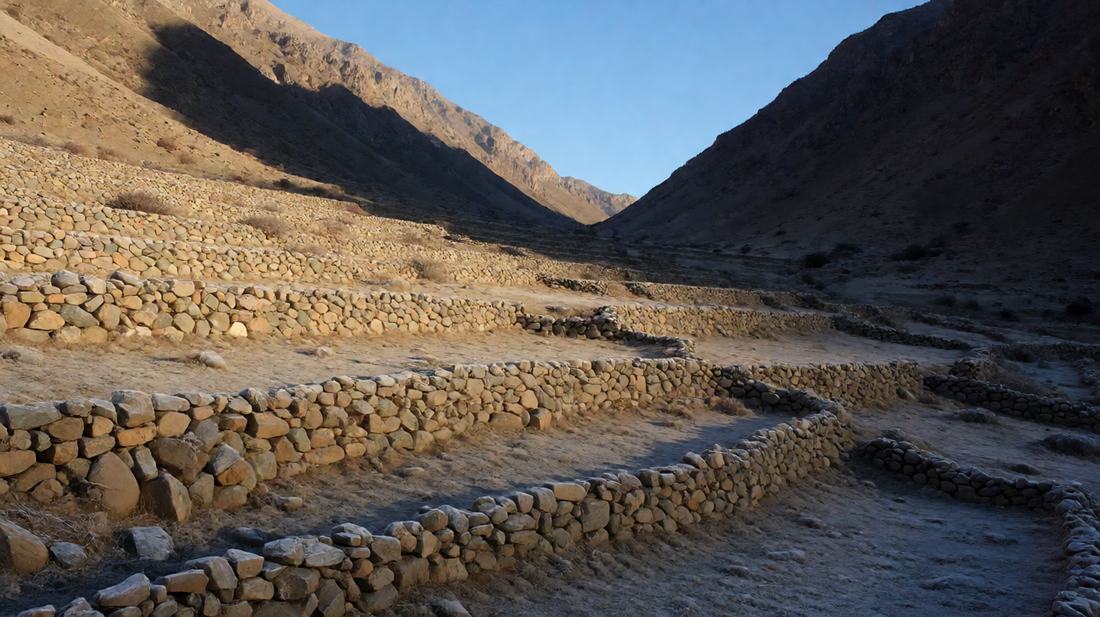
This plain sits in a basin between two ranges of the Andes. It is cool, it is wet, and it has good soil. People had lived there for thousands of years before the chiefdoms rose. By 800 AD towns and terraces covered the slopes. Because frost could kill a field in a single night, farmers worked several plots at different heights.
Such a habit, moreover, spread the risk, and it fed a growing population. Salt was the other source of wealth. Beds of rock salt lay near the plain, and every household needed salt. Control of the mines therefore made a chief rich. Trade, therefore, ran down the mountains to the lowlands and back.
Cotton, gold and salt went one way, and goods from the low country came the other. No single ruler ever held the whole plain. A loose league of chiefdoms held it, and the league met when it had to.
Turning points
Key Events
Chiefdoms took shape between 800 and 1200. Each had a ruler, a council of elders and a temple with its own priests. War between Bogota and Tunja ran through the 1400s, and it drained both. Then, however, news arrived of strangers on the coast. In 1537 a Spanish force climbed into the basin from the north.
It was small, and it was, in fact, far from help. Chiefdoms could have stopped it together. They did not, because each hoped to use the strangers against its rival. Such hope, indeed, failed within two years. Spanish hands killed the zipa and stripped the temples.
Gold work went into melting pots, and whole workshops vanished with the craftsmen. By 1540 the basin was a Spanish province. That order had gone in less time than a single lifetime.
1
2
3
Who held power
People and Powers
At the top stood the ruler, and he claimed a line to the sun. Below him stood the chiefs of towns and the captains of war. Priests held the calendar, and the calendar, in turn, set the farming year. Because the ruler had to fast and stay apart before a great rite, his power rested on ritual as much as on arms.
A council of elders could advise and could block. Succession was not fixed, and a disputed throne therefore meant war. Commoners paid tribute in labour, in cloth and in salt. Each household owed days of work a year, and the days went to terraces, roads and temples.
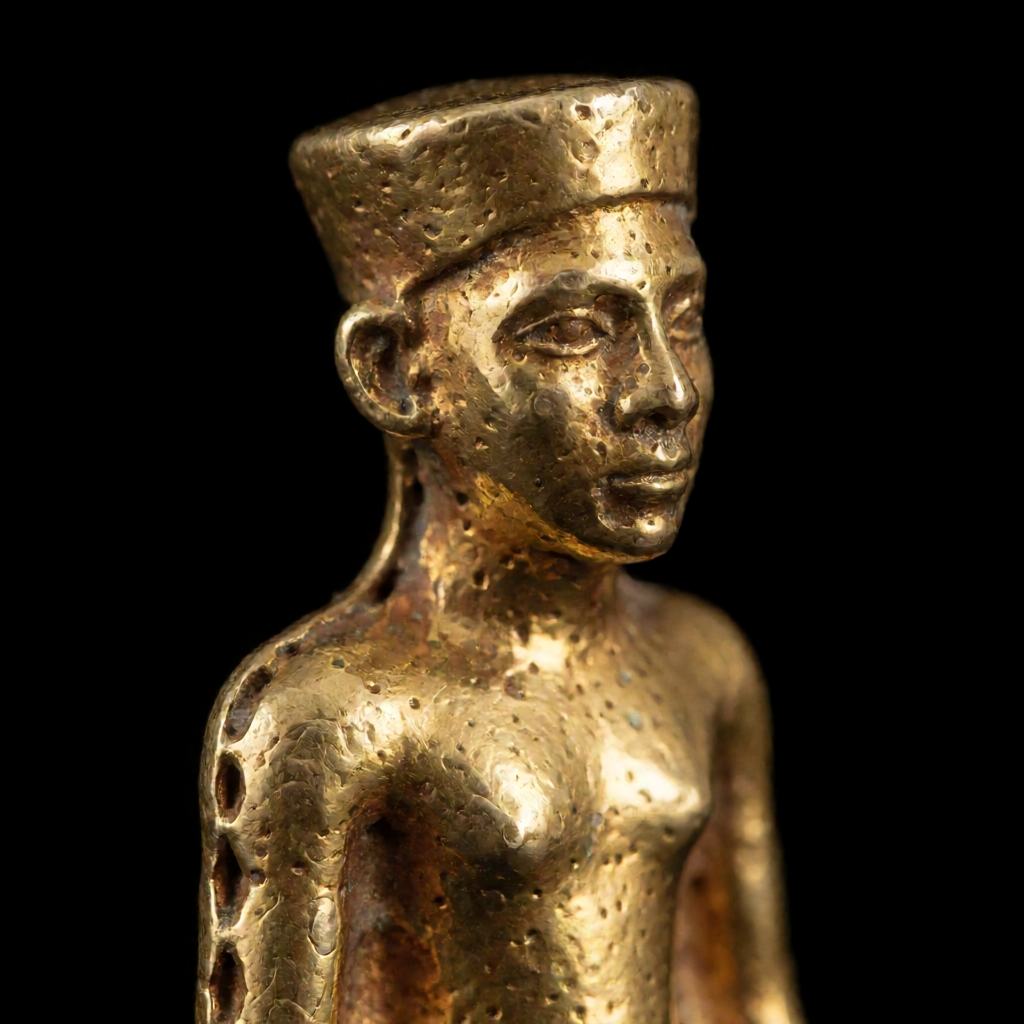
Craft workers stood apart, and goldsmiths, in effect, were the most honoured. Goldsmiths worked with a mix of gold and copper, and one could cast a figure as thin as paper. That skill died with the workshops. Rank showed in cloth, in gold and in the right to be carried.
Everyday world
Daily Life and Society
A family lived in a round house of mud and cane, with a floor of packed earth. Its roof was steep, since the plain gets heavy rain. Houses stood in clusters, and a cluster, in time, made a town. Food came from the terraces. Families grew potatoes, tubers and grain, and they kept a store against a bad year.
Store pits were dug into dry ground and sealed with clay. Cloth came from cotton, and every household, likewise, spun and wove. Men worked the fields, carried salt and served in war. Women spun, wove, brewed and traded in the markets. Markets met on set days, and a market was, at the same time, a court.
Dead bodies were dried and wrapped, and some were kept in caves. Wrapped bodies could be carried to a battle, since the dead were thought to watch. Life was cold, and the plain gave little for free.
Craft and ideas
Trade, Technology and Ideas
Salt was the engine of the whole system. A household needed it, a chief taxed it, and a trader carried it. Gold came from rivers to the east, and copper came from the mountains. Both metals were melted together, and the mix cast better than either alone. Trade ran in stages, since no single trader went the whole way, and every hand took a share.
Far to the north, the Aztec built a market city that fed an empire on tribute, and the two worlds never met. Markets met weekly, and they drew traders from several days away as well. No coin was used. Salt, cloth and gold served as money. Ideas moved with goods, and the sun cult spread across the plain.
Temples held stores, and a temple could feed a town in a bad year. To the south, the Inca ran a state that counted its people and stored food against famine. That storage was the real technology, and it made the high plain survivable in a bad year.
What lasted
Legacy
The chiefdoms ended, and most of their gold was melted down. What survived is a set of small figures, a few wrapped bodies and a great many words. Muisca words still name places, rivers and foods in Colombia today. That story did more damage than any army. It drew expeditions for a century.
Most went to the wrong places. Lake Guatavita was drained twice. Both attempts failed. In 1969 a small gold raft was found near the lake, and it shows the rite itself. A chief stands at its centre, and oarsmen sit around him.
The object is about 20 centimetres long, and it is now a national treasure. The exchange that followed carried new foods and new diseases in both directions. Potatoes went east, and grain came west, and the plain was never the same. That exchange, in short, ended one world and began another.
Side by side
How It Compares
| Point | Muisca | Aztec |
|---|---|---|
| Dates | About 800 to 1540 | 1325 to 1521 |
| Base | The high plain of Bogota | The basin of Mexico |
| Wealth | Salt, gold and cloth | Tribute in grain and cloth |
| Rule | Two rival chiefdoms | One city with subject towns |
| Faith | The sun and the lake | The sun and the war god |
| End | Spanish forces arrived in 1537 | The city fell in 1521 |
Common misreadings
What People Get Wrong
- The Muisca worked gold for money. They made it for offerings, and salt did the work of coin.
- El Dorado was a city of gold. It was a rite on a lake, and no city was ever found.
- One chief ruled the whole plain. Four chiefdoms shared it, and two fought for centuries.
Going further
Sources and Further Reading
- Wikipedia, Muisca
- Encyclopaedia Britannica, Muisca. Encyclopaedia Britannica, Inc.
- Hemming, J. 1978. The Search for El Dorado. Jonathan Cape.
- Restall, M. 2003. Seven Myths of the Spanish Conquest. Oxford University Press.
Quick hits
Five Things to Remember
- Muisca chiefdoms held the high plain from about 800 to 1540.
- Salt from local mines was their chief source of wealth.
- A gold raft found near Lake Guatavita shows a rite on water.
- Spanish forces reached the plain in 1537.
- Muisca goldsmiths cast figures in a mix of gold and copper.
[…] Butterfly Ayutthaya | The Capital of Siam Craseonycteris thonglongyai | Bumblebee Bat The Muisca | The Raft of Gold Pilobolus crystallinus | Dung Cannon Fungus Arion vulgaris | Spanish Slug Locusta […]