 By st20113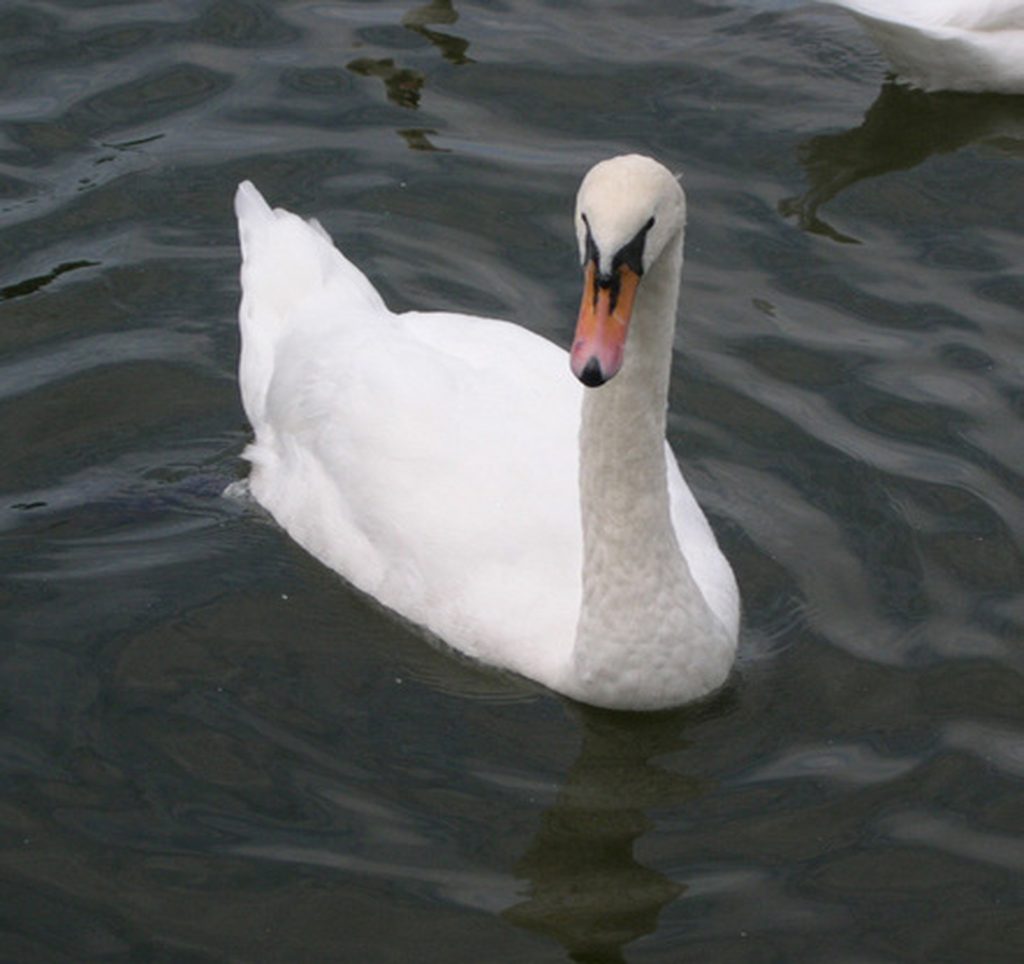
Introduction
The Mute Swan, Cygnus olor, is among the most iconic waterfowl species in the world, instantly recognizable by its pure white plumage, elegant curved neck, and distinctive orange bill with a black knob at the base. Native to wetlands and rivers of Eurasia from Britain to Japan, it has been a symbol of beauty and romance in art, literature, and mythology for millennia. It is the national bird of Denmark and appears prominently in European heraldry and fairy tales. Despite its name, it is anything but silent — its powerful wingbeats produce a distinctive creaking sound, and the male aggressively defends his territory with impressive displays.
Taxonomy
Cygnus olor belongs to the genus Cygnus, which includes seven other swan species found across temperate and polar regions. The species name olor is Latin for swan. The Mute Swan is in the family Anatidae alongside ducks and geese, most closely related to the Bewick Swan and Whooper Swan. Fossil evidence places the swan lineage in the Miocene epoch, roughly 10 to 15 million years ago. It is monotypic with no recognized subspecies and was formally described by Johann Friedrich Gmelin in 1789. Within its range, the Sandhill Crane and other large waterbirds share similar wetland habitats and breeding biology.
Physical Characteristics
The Mute Swan is one of the heaviest flying birds, with adults weighing 8 to 14 kilograms, measuring 125 to 160 centimeters in body length with a wingspan of 200 to 240 centimeters. Plumage is entirely pure white, and the skin lacks pigment. The bill is vivid orange-red with a prominent black knob at the base — larger in males and more pronounced during breeding. The neck is held in a distinctive S-curve, and the bird arches its wings in a threat display. Cygnets are covered in grayish-brown down, acquiring white plumage over several months. Mute Swans can live more than 20 years in the wild, with individuals at Abbotsbury Swannery in England documented at over 40 years old.
Habitat
The Mute Swan is native to temperate Eurasia from Britain and Scandinavia through Central Europe to Central Asia and the Korean Peninsula. Preferred habitats include shallow lakes, slow rivers, estuaries, coastal bays, marshes, and large ponds with abundant aquatic vegetation. It requires calm waters with extensive beds of submerged and emergent plants for feeding and nesting. Northern populations migrate south to ice-free waters in winter, though British and Dutch populations are largely resident year-round. The Mute Swan is highly territorial during breeding, and introduced populations have established in North America, Australia, New Zealand, and South Africa.
Diet
The Mute Swan feeds almost entirely on aquatic vegetation — pondweeds, water lilies, water crowfoot, and submerged grasses. It feeds by upending, submerging its long neck to reach submerged plant material, and by grazing on adjacent land. Its bill’s fine lamellae filter aquatic plants from water. An adult consumes approximately 4 kilograms of vegetation daily, potentially bringing it into conflict with fishermen who view it as a competitor. The species occasionally takes small aquatic invertebrates and insect larvae during breeding when protein demands are elevated.
Reproduction
Mute Swans are monogamous and typically form pair bonds lasting many years, with some pairs remaining together for life. The breeding season begins in early spring with dramatic territorial confrontations involving raised wings, honking, and physical contact. The nest is a massive structure of reeds and aquatic vegetation, built by both sexes in shallow water and used year after year. The female lays 5 to 11 pale green eggs, incubated for 35 to 41 days while the male guards nearby. Cygnets are precocial and leave the nest within two days of hatching, swimming and feeding independently under close parental protection. Young reach sexual maturity at 3 to 4 years of age.
Conservation
The Mute Swan is classified as Least Concern globally, with populations having increased significantly across much of its range over the past century. In Britain, it was nearly exterminated in the 12th century for food, but royal protection allowed recovery — every open-water swan in England remains Crown property, and British populations now number approximately 30,000. The species faces ongoing challenges from lead fishing weights causing poisoning and from collisions with power lines. In parts of North America, introduced populations are classified as invasive due to their consumption of aquatic vegetation.
Fun Facts
The Mute Swan engages in mutual preening with its mate, a behavior that reinforces pair bonds. In flight, its wings produce a rhythmic creaking sound from airflow over specially shaped primary feathers, audible several hundred meters away. The cob’s aggressive display posture involves raising both wings and arching the neck forward — terrifying and magnificent to witness. At medieval Swan Palace in Southwark, London, live swans were decorated with ribbons for the annual Swan Supper, a tradition lasting over 500 years. Tchaikovsky’s ballet Swan Lake fixed the species in global culture as the very embodiment of grace and elegance.
[…] flight are a hallmark of wetland landscapes, and it often mixes with other waterbirds such as the Mute Swan on crowded […]