 By st20113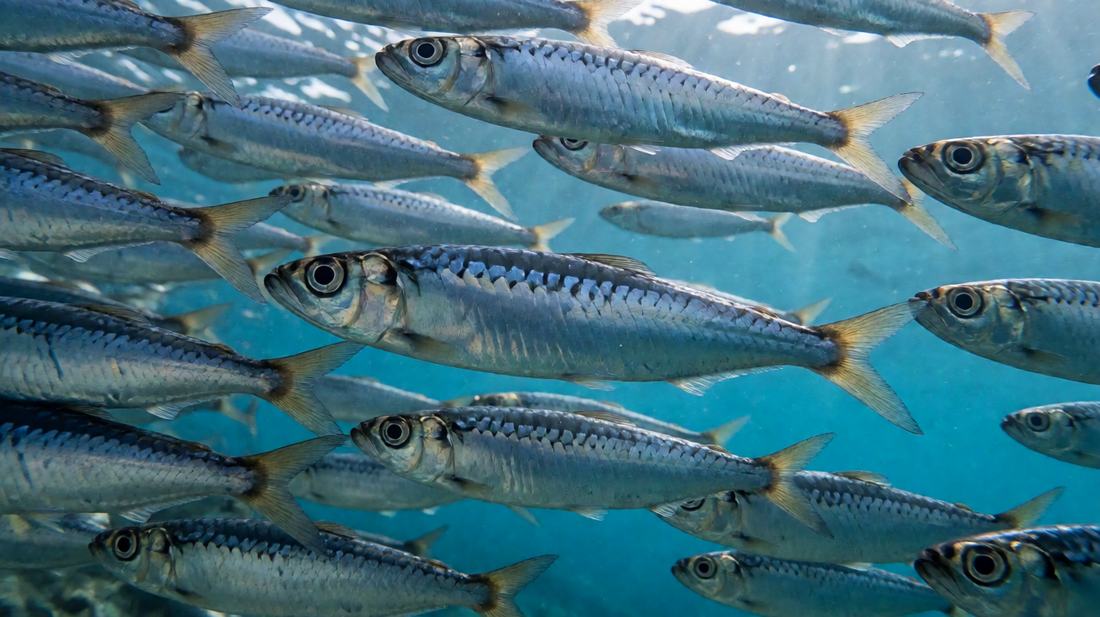
Sardina pilchardus | European Sardine
Species Profile · Clupeidae
European Sardine
The small silver fish of the cold northern coasts — a filter feeder at the bottom of the food chain whose numbers decide who else gets to eat.
IUCN: Least Concern
Range
Length
School
Spawns
Trend
The silver school of the cold coast
A fish the ocean depends on
The European sardine is a small, silvery, school-forming fish. It swims in the cold coasts of the north-east Atlantic. It is one of the most important of the small, open-water fish. It feeds the seabirds, the porpoises, the cod and the mackerel of those waters. It is a fish of the open shelf. It moves in great schools. A school can stretch for miles along the coast.
The size of the school decides the size of the population of the birds and the fish that come to feed on it. The animal is small. It grows to a length of about 30 cm. It is silver on the flank and blue on the back. Its whole body is built for the fast, short, burst of the swim. It uses that burst to keep up with the plankton that it filters. The sardine is a fish of the cold, clear water.
It lives along the coasts of Europe. It runs from the waters off the British Isles and the Bay of Biscay. It goes down to the coasts of the south of Europe and the north of Africa. It is one of the most fished of the small fish. Its numbers rise and fall with the temperature of the water. The years that the water is warm are the years that the fishery fails.
Family tree
Clupeidae, the herrings
The European sardine is in the family Clupeidae. That is the herring family. It sits in the genus Sardina. The Swedish naturalist Linnaeus described it in 1758. He gave it the name Clupea pilchardus. It was later moved to the genus Sardina. The family Clupeidae is one of the largest of the small, open-water fish.
It carries the herring, the sardine, the mackerel and the shad. The whole family is defined by two long, lower, bony plates on the side. They are called the scutes and they are the mark of the family. The sardine sits with the Atlantic herring and the other close relatives. The whole family is one of the most important of the small fish of the north-east Atlantic. Its close relatives in the other seas are the Pacific sardine and the Chilean jack mackerel. The group is one of the most studied of the small fish.
That is because the numbers of the sardine decide the numbers of the birds and the larger fish. The European sardine shares the family with the atlantic herring. That is a larger and darker fish of the cold northern waters. The two are told apart by the colour of the back. They are also told apart by the number of the scutes on the side. The herring is one of the most important of the food fish of the northern coast. The sardine is its close relative of the warmer waters.
Slim, silver, forked tail
How to tell one
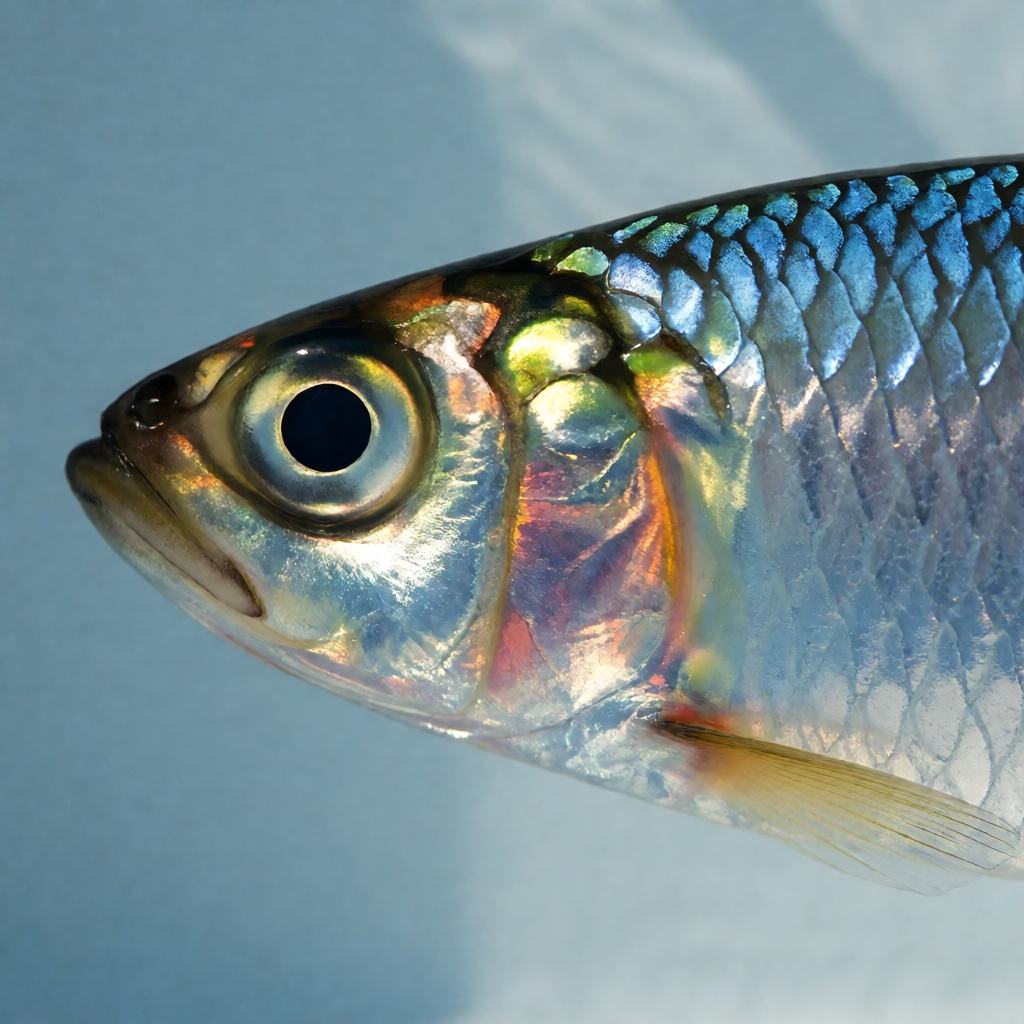
The European sardine is a small, slim fish. It reaches a length of about 30 cm. Its weight is a fraction of a kilogram. Its body is built for the fast, short swim. It is long and thin. Its tail is deeply forked. The colour is a bright silver on the flank.
It is a deep blue on the back. Its whole body is covered in a fine, small scale. Its mouth is small. Its teeth are small and fine. Its gill rakers are long and thin. They are the structure that the fish uses to filter the plankton from the water. Its dorsal fin is small and set back.
Its anal fin is larger. The two fins are the structures that the fish uses to hold its place in the current. The species is one of the fish that is most studied by the fishers. The size of the fish is a mark of the year. The fish born in the warm years are smaller. They are smaller than the fish born in the cold years.
1
2
3
The cold clear shelf
Where it lives
The sardine lives in the open, cold water of the north-east Atlantic. It is a fish of the shelf. It lives in water that is clear and cold. The temperature of the water decides where the fish will be. It moves along the coast. It schools up in the shallow water in the spring to spawn.
It moves out to the deeper water in the summer and the autumn. The fish is a strong migrator. A school can move for hundreds of miles along the coast. The whole population is one that is spread out in a line. That line runs along the coast of Europe. The species is one of the fish that will not live in the warm, still water.
It is a fish of the cold, moving water of the shelf. The sardine is a fish of the north-east Atlantic. It is one of the few that is found along the whole of the coast. It runs from the waters off the British Isles down to the coasts of the south of Europe.
Plankton by the mouthful
What it eats
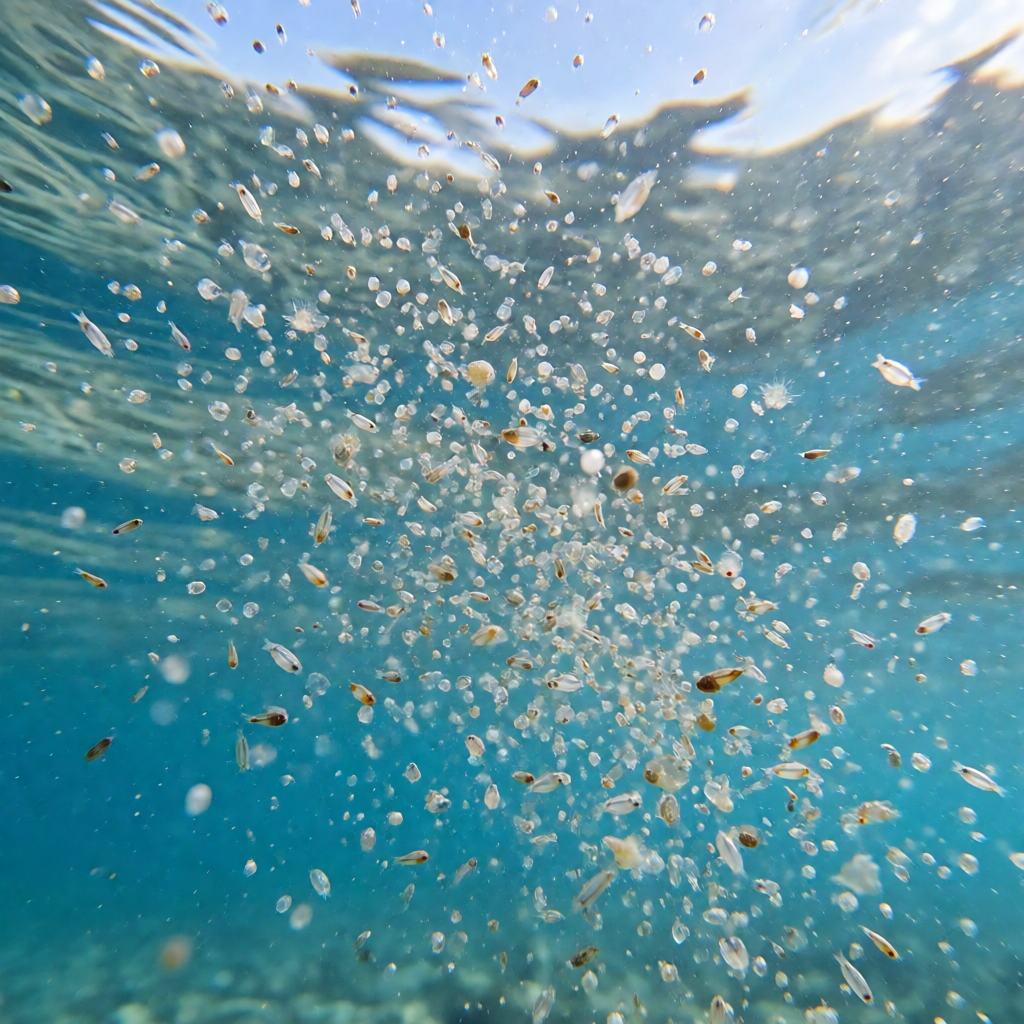
The sardine is a filter feeder. It eats the plankton that it filters from the water. It does this with the long, thin gill rakers. The food is the small, drifting animal. It is the copepod, the krill and the egg of the fish.
The whole diet is one that is taken in the open water. The fish schools up and feeds in the morning and in the evening. The size of the school decides the amount of the food that it takes. The sardine sits at the bottom of the food chain. It is the food of the mackerel, the cod, the porpoise and the seabird.
The numbers of the sardine decide the numbers of all the animals that come to feed on it. The species is one of the most important of the small fish. It is the one that decides the size of the whole population of the seabird that lives on the coast.
Warm shallow spawning
The breeding cycle
The sardine spawns in the warm, shallow water of the spring. The female releases her eggs into the open water. The male comes along and fertilises them. The larvae hatch. They drift in the plankton for a short time.
They then settle down and begin to feed on the small, drifting animal. The species is one of the fish that spawns in great quantities. A single school can release the eggs of thousands of fish in a single night. The larvae are very small. They are easy to lose.
The numbers that will survive to the adult life are very small. The species is one of the fish that is studied by the fishers. The size of the year class is a mark of the temperature of the water in the spring.
Fished hard, moving north
Conservation
The sardine is one of the most fished of the small fish. Its fishery is a great source of food for the people of the coast. The numbers of the fish have gone up and down for a hundred years. The warm years are the years that the fishery fails.
The cold years are the years that the fish comes back in great numbers. The species is one that is studied by the scientists. The whole population is one that is managed by the fishers. The goal is to take a share of the fish.
It is the share that will leave the numbers at a level that keeps the fishery going. The sardine is not a fish that is in danger. The warm water of the last few years has pushed the range of the fish. It is now one of the fish that is moving north into the cold water of the north.
Quick hits
Five things to remember
- The sardine is a filter feeder. It uses the long, thin gill rakers to take the plankton from the water.
- A single school can stretch for miles along the coast. The size of the school decides the size of the population of the birds that feed on it.
- The fish moves along the coast. It schools up in the shallow water in the spring to spawn, and it moves out to the deeper water in the summer.
- For a hundred years the numbers of the sardine have risen and fallen. The fishery fails in the warm years.
- The species is now moving north into the cold water of the north. The warm water of recent years has pushed its range.