 By st20113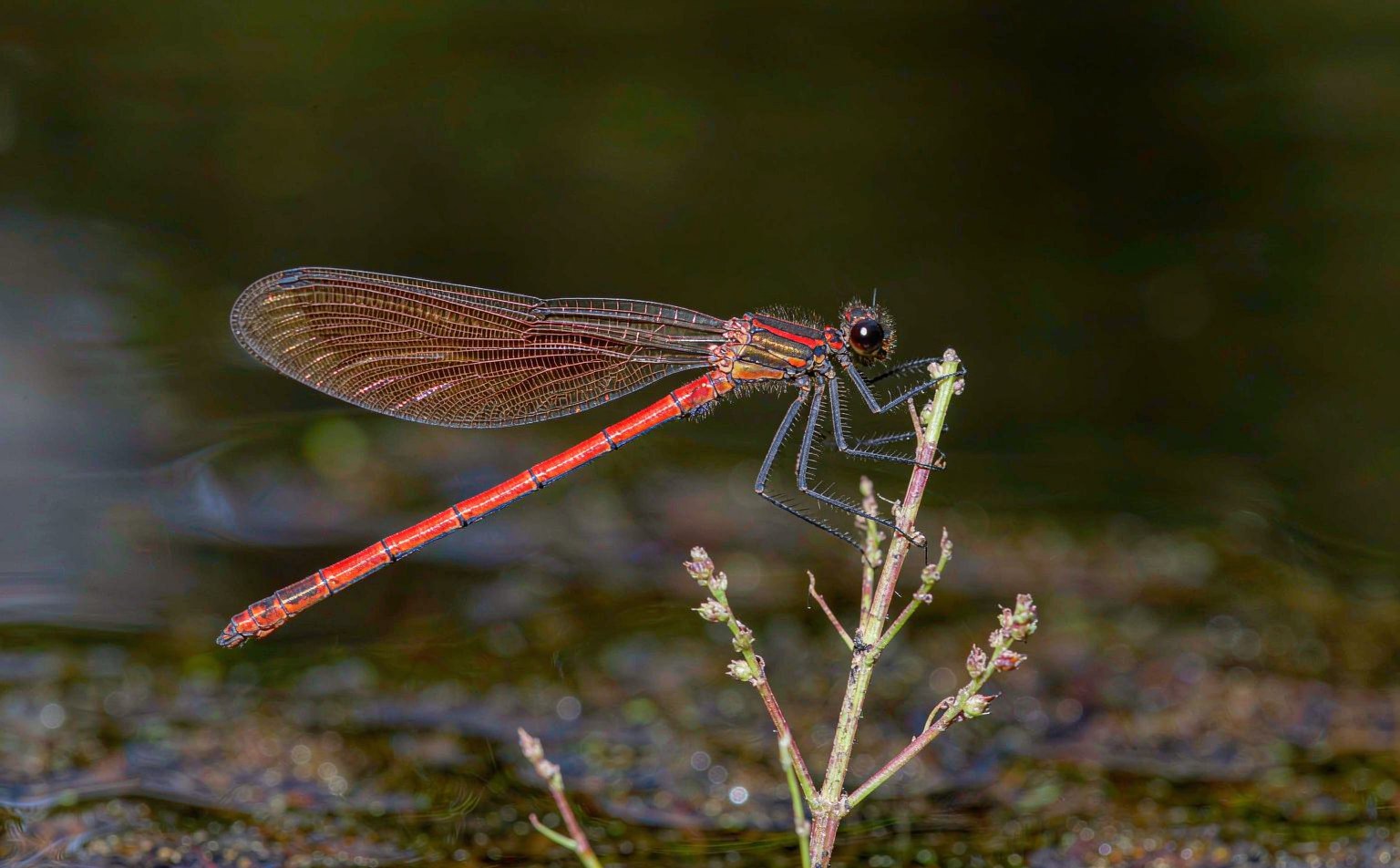
Pyrrhosoma nymphula | Large Red Damselfly
Introduction
The Large Red Damselfly (Pyrrhosoma nymphula) is one of the commonest and most colourful damselflies of European ponds and slow streams, easy to tell apart by its glowing red body and black-legged, bronze-winged appearance. From spring into summer it flutters low over water and rests in open, sunny spots, often in loose groups. It is a good beginner’s species because it is bold, widespread and willing to perch within view.
Taxonomy
Pyrrhosoma nymphula was described by Sulzer in 1776 and is the only species in the genus Pyrrhosoma, the “red damselflies”. It belongs to the family Coenagrionidae, the narrow-winged damselflies, sharing the group with the blue and azure damsels of pond margins. Its bronze-tinted wings and entirely red, black-legged body separate it from the otherwise similar small red damselfly. The species is treated as a single variable form across its European range, with females showing a spread of colour types from red to olive.
Physical Characteristics
Adults are small and slender, with a body length of 33 to 36 millimetres and a wingspan around 45 millimetres. The male is a vivid blood-red with a thin black line down the top of the thorax and a series of black markings along the abdomen; the wings are clear but flushed bronze at the base. Females may be red like the male or, more often, form a “blue-green” or “yellow” colour variant with darker markings. Unlike many damselflies, both sexes have black legs without pale stripes, a useful identification point. At rest the wings are held together above the body.
Habitat
Large Red Damselflies breed in a wide range of still and slow waters: ponds, lakes, canals, ditches, fens and gently flowing streams with plenty of marginal and submerged plants. They favour sunny, vegetated margins and are among the first damselflies to appear in spring. They tolerate slightly acidic and mildly enriched water better than some relatives, which helps them persist in garden ponds and farmland ditches. They avoid fast, open rivers and heavily shaded, cold streams.
Diet
The aquatic nymphs are ambush predators among weed, seizing small invertebrates, tadpoles and tiny crustaceans with a flick of their extendable lower lip (the labium). Adults leave the water to hunt, catching small flying insects—midges, gnats, aphids and mosquitoes—on the wing, often in sheltered sunny spots just above the vegetation. Like the related Emperor Dragonfly, the adult is a skilled, twisting flier, but on a much smaller scale, and it helps keep summer gnat numbers down.
Reproduction
Pairs mate in the air and then, still coupled in the classic heart-shaped “wheel” position, the female lays eggs in the stems and leaves of living or dying water plants just below the surface, guarded by the male. The eggs hatch into nymphs that spend most of the year growing through many moults. Emergence to the adult takes place from April onward, and the flight season runs into August, one of the longest of any European damselfly. There is no care after laying.
Conservation
The Large Red Damselfly is abundant and of Least Concern, and it has spread with the growth of garden and farm ponds. It is vulnerable mainly to the loss of clean, vegetated water through infilling, heavy shading and the removal of marginal plants. Leaving a sunny, plant-fringed pond unstocked with large fish is usually enough to support it. Because it is so visible, it serves as an accessible indicator of healthy freshwater margins.
Fun Facts
- Females come in red, yellow and blue-green colour forms, all the same species.
- Its bronze-tinted wing bases glow in slanting sunlight.
- It is one of the earliest damselflies to emerge, sometimes on warm April days.
- Unlike most damselflies, both sexes have plain black legs with no pale stripe.
- The paired “wheel” used in egg-laying is one of the easiest dragonfly behaviours to watch.