 By st20113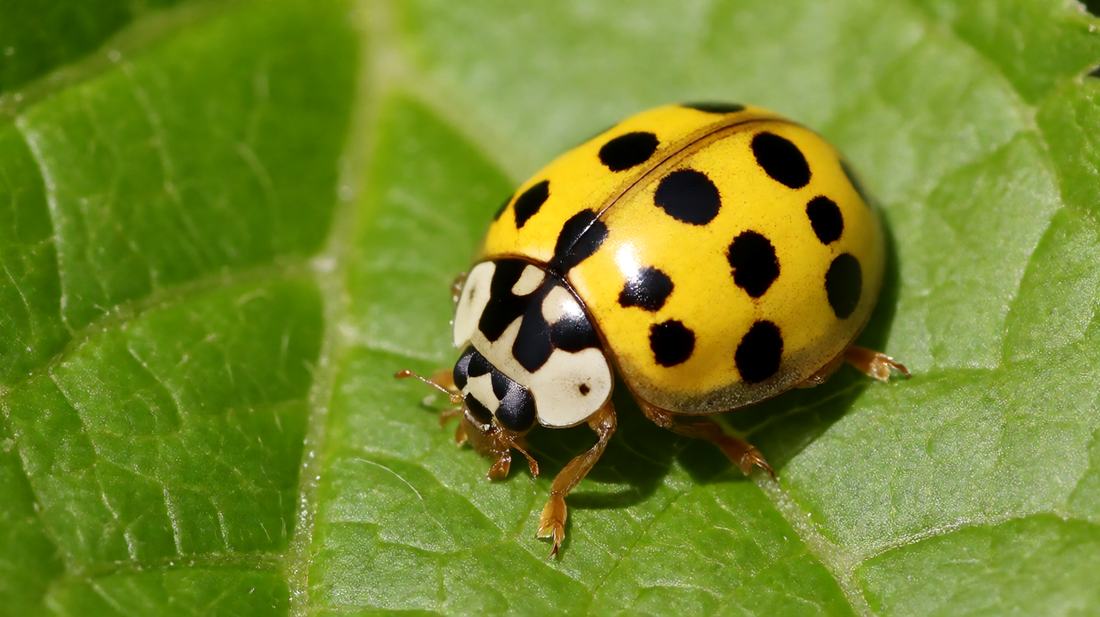
Psyllobora vigintiduopunctata | Twenty-two-spot Ladybird
Species Profile · Coccinellidae
Twenty-two-spot Ladybird
A small round ladybird with bright yellow wing cases and 22 black spots, unusual among its family because it feeds on fungus rather than on aphids.
A lemon yellow ladybird that eats mildew instead of aphids
Adult
Spots
Each case
Colour
Food
Broods
The twenty-two-spot ladybird
A small beetle of pale leaves
The Twenty-two-spot Ladybird is a small beetle of pale leaves. It is 1 of the few ladybirds that eat fungus. It spends its summer on trees and tall plants.
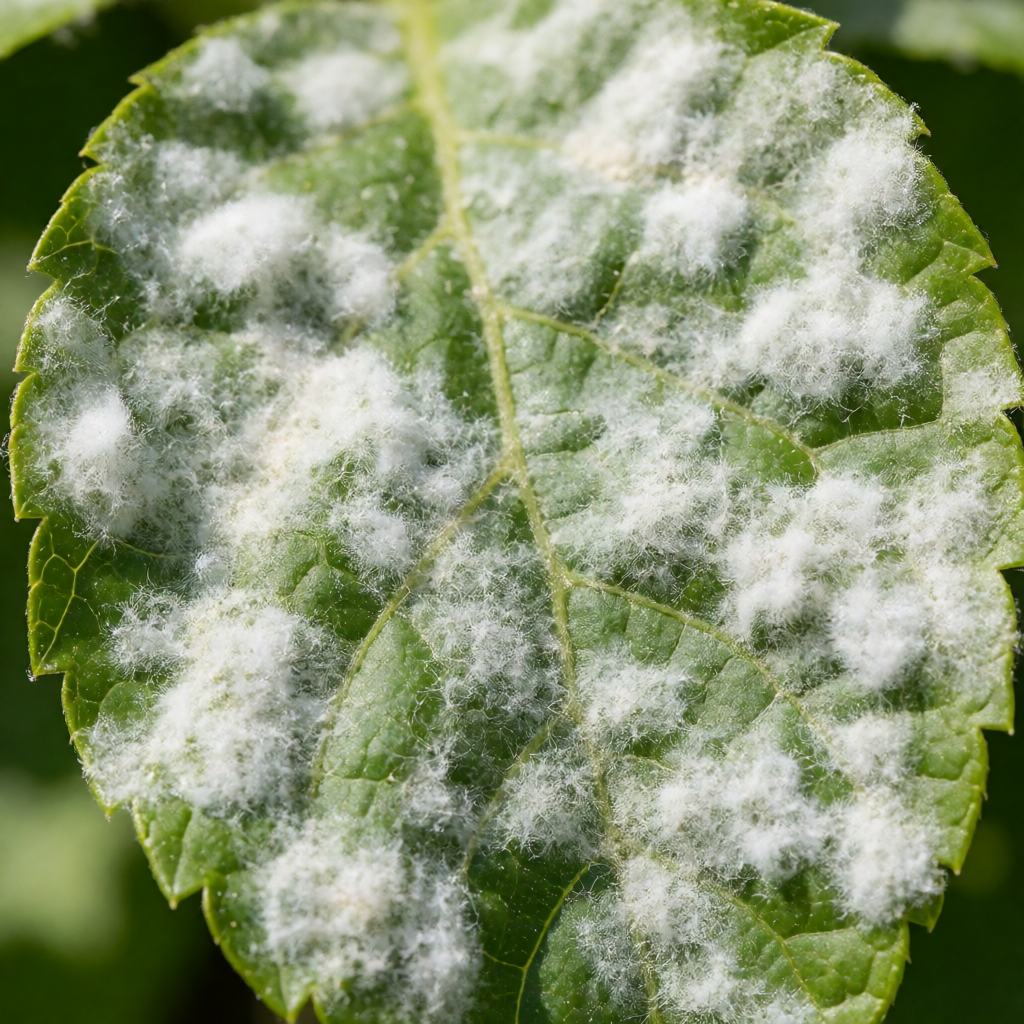
There it hunts a white coating called mildew. The beetle is bright lemon yellow. Its colour makes it easy to spot.
This species does not take aphids. It has a diet of its own.
Family tree
Coleoptera, Coccinellidae
The Twenty-two-spot Ladybird sits in the phylum Arthropoda. Its class is the Insecta. Its order is the Coleoptera. Its family is the Coccinellidae, the ladybirds.
Our beetle shares the family with the Seven-spot Ladybird. That beetle has red wing cases with 7 black spots. It hunts aphids on many plants. Our beetle has yellow wing cases with 22 black spots.
It eats mildew instead. The 2 species are alike in shape. Their habits are very different. The family counts about 6,000 species in the world.
3 mm and 22 black spots
How to tell one
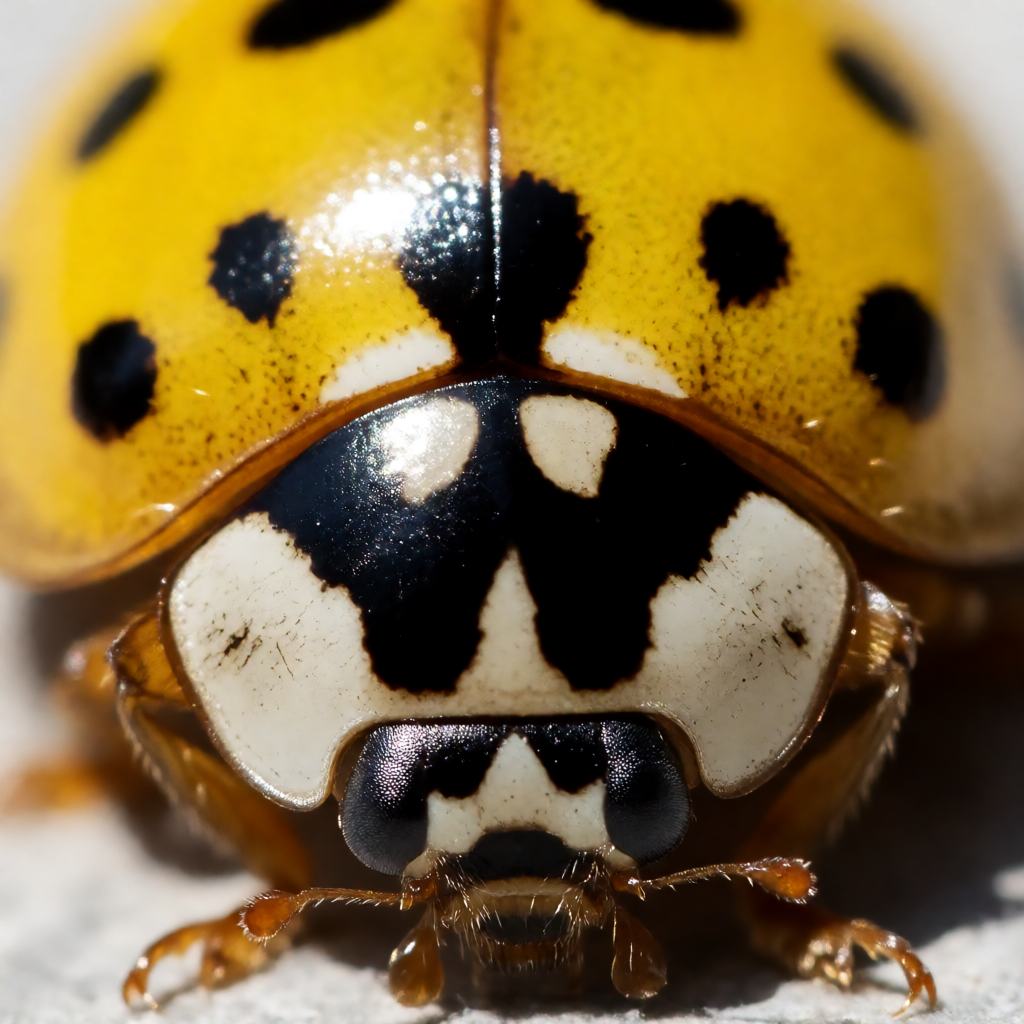
The adult measures about 3 mm in length. The body is round and strongly domed. The wing cases are bright lemon yellow. Each case carries 11 neat black spots.
That gives 22 spots in total. The plate behind the head is pale with black marks. The underside and the legs are black. The whole shell wears a fine powdery bloom.
That bloom comes from the fungus it eats. The head is small, and it is mostly hidden. The animal has short antennae. A yellow fluid comes from the leg joints when it is disturbed.
1
2
3
Leaves that carry mildew
Where it lives
The species lives where mildew grows on leaves. It favours oak, sycamore and horse chestnut. It also visits thistles and tall umbellifers. It needs a warm spot with some shade.
A damp summer helps the fungus. The beetle then appears in good numbers. It lives in woodland, parks and gardens. It also lives along hedges and lanes.
It dislikes dry and windy ground. Adults may gather under loose bark in autumn. They rest there through the cold months.
Powdery mildew and spores
What it eats
The Twenty-two-spot Ladybird eats fungus. Its main food is powdery mildew. That fungus forms a white coat on green leaves. The beetle scrapes the coating from the surface.
Its jaws carry small comb like teeth. Those teeth work like a brush. The animal cannot bite a hard insect. It takes only fungus and spores.
Both the adult and the larva feed this way. The larva looks for the same white patches. It needs a steady supply of mildew to grow.
Eggs laid beside the fungus
The breeding cycle
The female lays her eggs near a patch of mildew. She places them on the leaf surface. The eggs hatch in a few days. The young larva is pale yellow with dark marks.
It crawls over the leaf and eats fungus. It grows through 4 stages. It then fixes itself to the leaf and becomes a pupa. The adult comes out about 1 week later.
The animal may have 1 or 2 broods a year. Adults that form late in the season wait until spring before they breed.
A garden without poison
Conservation
The Twenty-two-spot Ladybird is not assessed by the IUCN. It is fairly common across Europe. It has no legal protection. It depends on mildew and on the plants that host it.
Spraying a garden kills the fungus it needs. Careful weeding also removes its summer home. The beetle is sensitive to some chemicals. It does best in a garden without poison.
Its numbers seem stable for now. A patch of unmown plants helps it. So does a tree left unsprayed.
Quick hits
Five things to remember
- It feeds on mildew instead of on aphids.
- Its jaws carry tiny combs for scraping spores.
- The 22 spots sit 11 to each wing case.
- It wears a powdery bloom like a dusting of flour.
- It releases a yellow fluid when it feels a threat.