 By st20113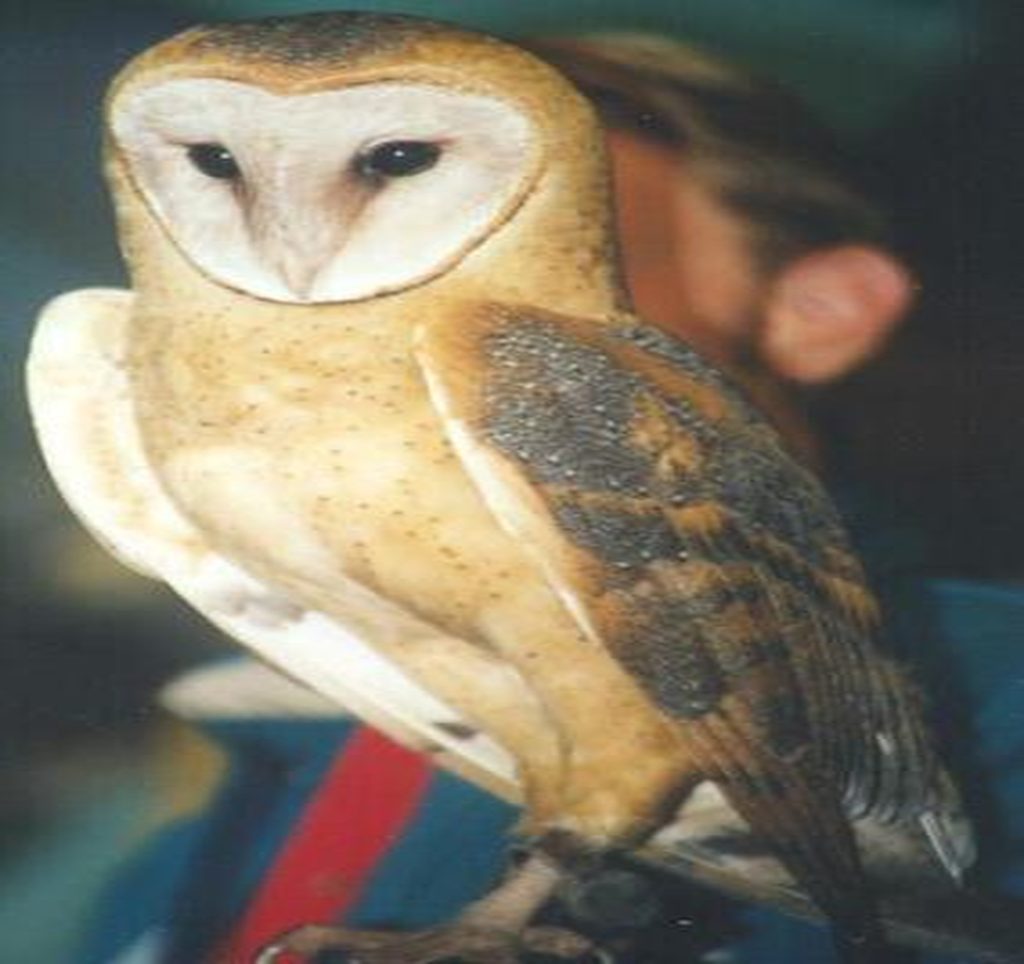
Introduction
The Barn Owl, Tyto alba, is the most widely distributed owl species on Earth, found on every continent except Antarctica. Its ghostly white face, heart-shaped facial disk, and pale, luminous plumage have made it a creature of folklore and superstition across cultures for centuries. This nocturnal raptor inhabits open agricultural landscapes, grasslands, marshes, and human structures — particularly barns, church towers, and old buildings. It is an exceptional mouse-hunting machine, consuming thousands of rodents annually and providing natural pest control worth hundreds of dollars per bird to farmers worldwide.
Taxonomy
Tyto alba belongs to the family Tytonidae, the barn owls, which are distinct from typical owls in Strigidae. The genus Tyto contains approximately 15 recognized species distributed globally. The species name alba is Latin for “white.” As many as 28 subspecies are recognized, differing in size, coloration, and vocalizations. Molecular studies confirm Barn Owls are an ancient lineage that diverged from other owls more than 40 million years ago. The species has no close relationship with the Snowy Owl or Great Horned Owl, which belong to a different family entirely.
Physical Characteristics
The Barn Owl is a medium-sized owl with a squat body, long legs, and notably long wings giving a moth-like flight profile. Adults measure 33 to 39 centimeters in body length with an 80 to 95 centimeter wingspan and weigh 240 to 350 grams. Its most striking feature is the white, heart-shaped facial disk that funnels sound to asymmetrically placed ears, providing extraordinary hearing. Upperparts are golden-tawny with gray and silver mottling, while underparts range from white to buff. The eyes are large and dark brown-black, and unlike most owls, Barn Owls lack ear tufts. Each individual has a unique spot pattern on the chest acting as a natural fingerprint.
Habitat
The Barn Owl inhabits open landscapes across the widest geographic range of any owl species, from sea level to altitudes above 3,000 meters in the Andes. Preferred habitats include agricultural land, grasslands, marshes, and savannas where prey is abundant. The species has an exceptionally strong association with human structures — barns, silos, and church towers provide ideal nesting cavities. Natural sites include tree hollows, cliff crevices, and riverbank burrows. It requires open hunting ground within a few kilometers of its nest and avoids dense forest, true desert, and areas with heavy persistent rainfall.
Diet
The Barn Owl is a specialized predator of small mammals, with rodents typically constituting over 90 percent of its diet. Common prey includes voles, mice, shrews, and rats. A single Barn Owl family can consume more than 3,000 rodents per year, providing pest control services of enormous economic value. Hunting occurs almost exclusively at night using extraordinary hearing to locate prey by sound alone — it can catch a mouse in total darkness beneath snow. Prey is swallowed whole and later regurgitated as compact pellets containing fur and bone. Less commonly, it takes birds, bats, and insects when small mammal populations decline.
Reproduction
Barn Owls are monogamous and typically form long-term pair bonds. Breeding occurs at various times depending on location and food availability, with multiple broods possible in good conditions. Males perform aerial displays with wing-clapping and circling flights accompanied by screeching calls. No nest is constructed — eggs are laid on a substrate of shredded pellets at the chosen site. Clutches range from 2 to 18 eggs, with 4 to 7 typical, reflecting high mortality risk in a rodent-dependent species. The female incubates alone for 29 to 34 days while the male hunts and delivers food. Chicks are born in white down and fed exclusively on whole prey, fledging at 50 to 55 days but remaining dependent for several more weeks.
Conservation
The Barn Owl is classified as Least Concern globally, with a population estimated at more than 4 million individuals. However, population trends are concerning in parts of Europe and North America where agricultural intensification, pesticide use, and loss of traditional nesting sites have caused declines. Conversion of hay meadows to silage has reduced prey availability and nesting success. Conservation groups work with farmers to install nest boxes in barns, a simple measure that dramatically increases breeding success. Reducing chemical rodenticide reliance and maintaining traditional farm buildings are the most effective measures for this species.
Fun Facts
The Barn Owl produces more than 20 distinct vocalizations, but its most famous — a blood-curdling shriek used in horror movie soundtracks — is typically given by females during breeding. Its hearing is so acute that it can detect the heartbeat of a small rodent beneath several centimeters of compacted snow, rivaling a parabolic microphone. Each pellet contains complete skulls of multiple prey animals, allowing scientists to reconstruct entire feeding relationships from samples collected beneath roost sites. In ancient Greece, Barn Owls were associated with the goddess Athena and symbolized wisdom.