 By st20113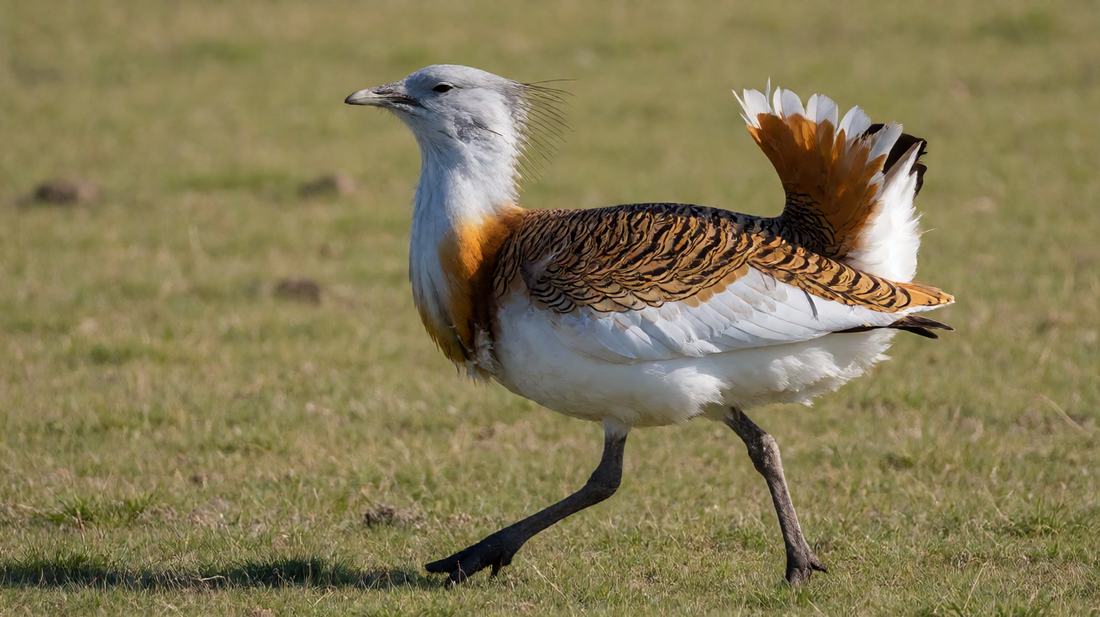
Otis tarda | Great Bustard
Species Profile · Otididae
Great Bustard
A huge bird of open plains that may weigh more than a small child and needs a long run-up to get airborne.
One of the heaviest flying birds, a plains dweller that is now endangered
Male height
Weight
Wingspan
Eggs
Incubation
Family
The Great Bustard
The heaviest flying bird
This is one of the heaviest birds that can fly. A male can weigh more than a small child. The bird lives on open plains and farm fields.
It walks rather than hops. Numbers have fallen across most of its range.
Family tree
Otidiformes, Otididae
The great bustard is the largest member of the bustard family. Its name is Otis tarda. It belongs to the crane order. A distant kin is the Eurasian Coot.
21 kg on open plains
How to tell one
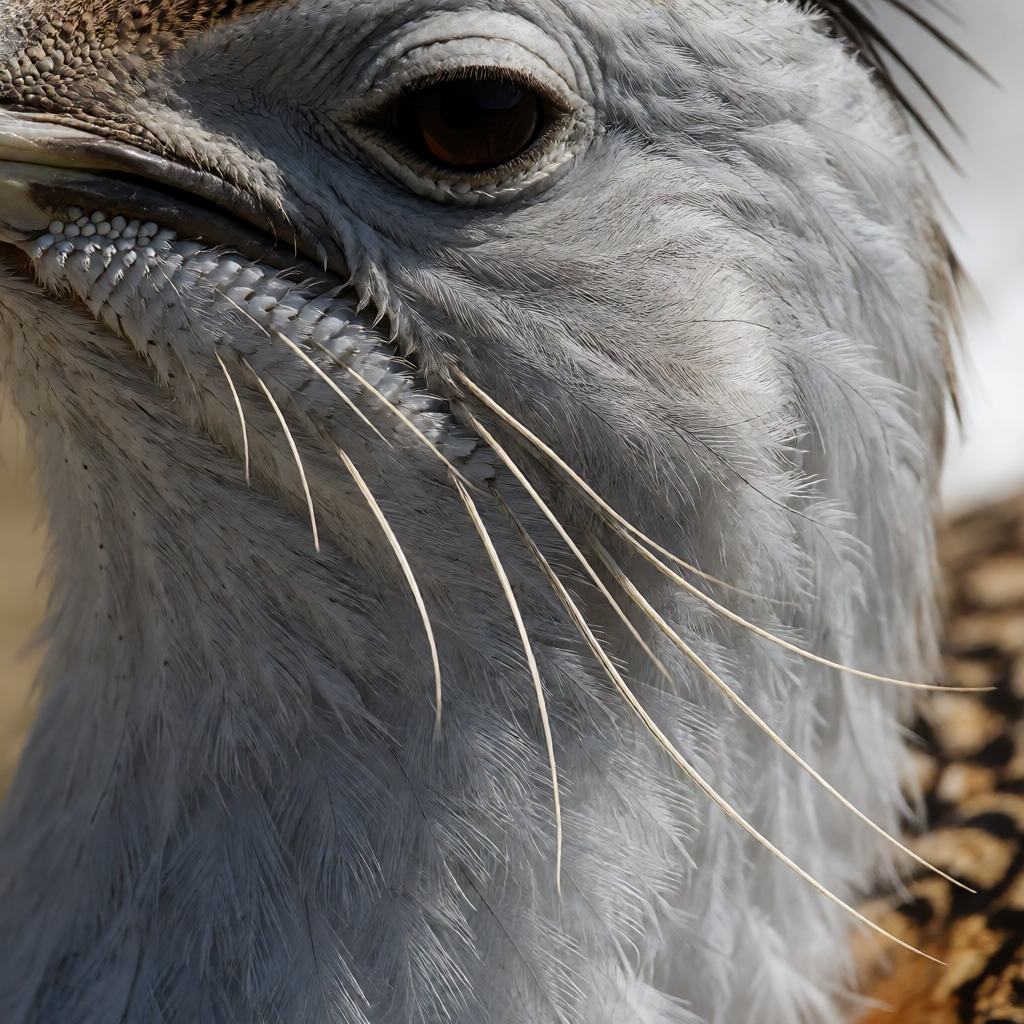
A male stands about 90 cm tall and may weigh 21 kg. A female is far smaller. The male has a thick grey moustache of feathers. His back is brown with black bars.
His chest and belly are white. He can spread his wings 2 metres wide. The female is brown and barred all over.
1
2
3
Grassland and cereal fields
Where it lives
It needs wide open country with low plants. Dry grassland and cereal fields both suit it. The best numbers are in Spain and Portugal.
Smaller groups live in Hungary and central Asia. It avoids woods, steep slopes and wet ground. Some groups fly south for the winter.
Insects, seeds and grain
What it eats
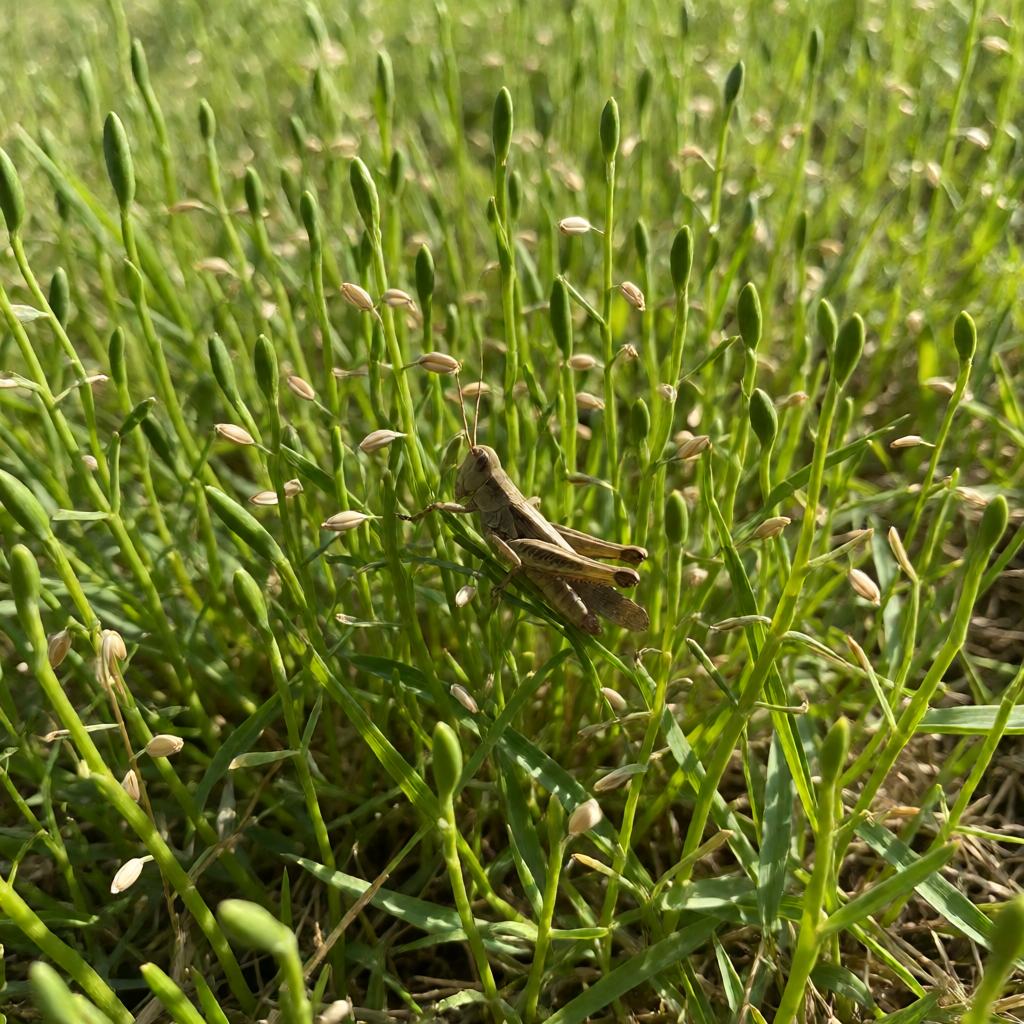
Its food changes with the season. In spring it eats beetles, grasshoppers and other bugs. In autumn it takes seeds, grain and young plants.
It may also swallow small rodents and chicks. It picks food from the ground while walking. Young birds need a lot of insect food to grow.
2 or 3 eggs in a scrape
The breeding cycle
Males gather in spring and show off. Each male puffs up, drops his wings and twists his head back. Rival males may fight for the best spot.
The female picks one and mates. She scrapes a shallow pit in the ground. She lays 2 or 3 eggs in it.
She sits on them alone for about 28 days. The chicks can walk soon after they hatch.
Endangered, and still falling
Conservation
This species is rated Endangered by the IUCN. Farm work has taken much of its open ground. Power lines kill birds that fly into them.
Hunting is now banned in most countries. New projects now guard nests and eggs. Slow farm methods would help the bird most.
Quick hits
Five things to remember
- The Latin word tarda means slow.
- Males grow a moustache of stiff feathers.
- The female is much smaller than the male.
- Chicks can run within hours of hatching.
- It needs a long run-up to take off.