 By st20113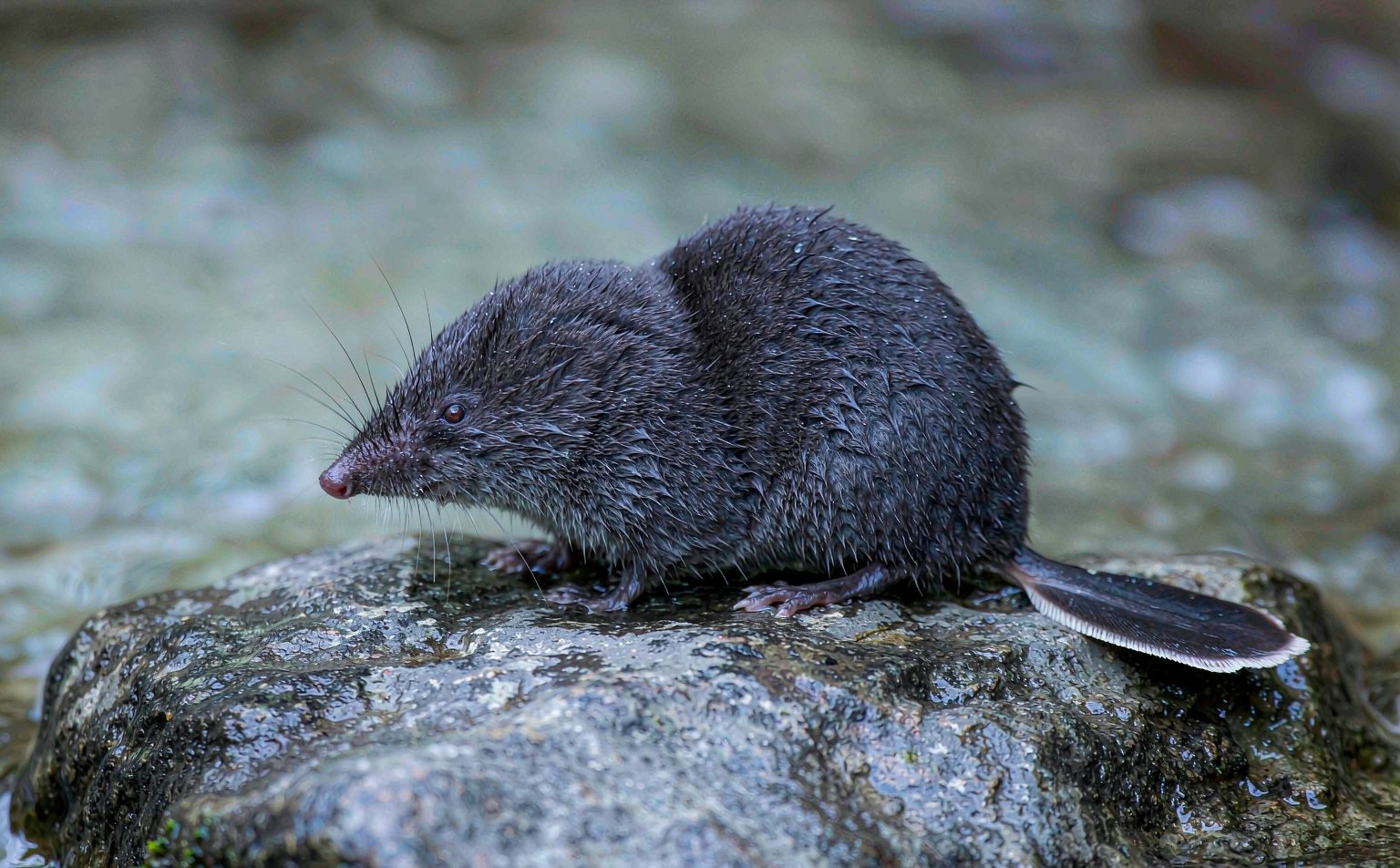
Neomys fodiens | Eurasian Water Shrew
Introduction
The Eurasian Water Shrew (Neomys fodiens) is a small, sooty-black mammal of streams, ponds and marshes, built for a life spent hunting underwater. Larger and darker than the common shrew, with a blunt, white-edged tail and fringed hind feet, it is one of the few European shrews that regularly swims and dives. Though secretive and seldom seen, it is a lively presence along clean, vegetated waterways.
Taxonomy
Neomys fodiens was described by Mathurin Jacques Brisson in 1756 and is the type species of the genus Neomys, the water shrews. It belongs to the family Soricidae, the shrews, alongside the smaller Common Shrew and the tiny Pygmy Shrew. It is the largest European water shrew and is found across a broad band from western Europe to Siberia. A few subspecies are recognised, mainly in size and colour, but the animal is essentially one widespread species.
Physical Characteristics
Adults weigh 12 to 20 grams and measure 110 to 150 millimetres in head-and-body length, with a tail of 70 to 95 millimetres. The fur is dense and dark slate-grey to black above, pale silvery-grey below, and it traps a layer of air that helps the shrew float and stay warm in water. The hind feet are bordered by a fringe of stiff hairs that act like paddles, and the tail is flattened, dark and edged with white. The snout is pointed and the eyes and ears small. Like other shrews it has red-tipped teeth and a fast, high metabolism.
Habitat
Water shrews live along clear, unpolluted streams, rivers, ponds, lakes and marshes with plenty of aquatic and waterside cover such as reed, sedge and overhanging grass. They need soft banks for their burrows and a good supply of invertebrate prey in and near the water. They avoid turbid, fast or heavily shaded channels and polluted drains. They may also use damp meadows and ditches a little way from open water, especially when hunting at night, but they always return to a watery home range.
Diet
The water shrew is a fierce predator of aquatic life. It swims and dives to take caddisfly and mayfly larvae, freshwater shrimp, small snails, beetles and tiny fish, crushing them with venomous saliva that helps subdue prey. On land it also eats worms, slugs and ground insects. Because its metabolism is so high, it must eat almost constantly, taking more than its own weight in food on a busy day. It hunts by sight and touch, using its sensitive whiskers to find prey in murky water.
Reproduction
Breeding runs from spring to autumn, with females raising several litters of four to eight blind, naked young in a grass- and leaf-lined nest placed in a burrow in the bank or among waterside roots. The young grow quickly and are independent within a few weeks. In colder parts of the range the species does not truly hibernate but may become less active and use insulated nests in winter. Many individuals live less than a year, typical of small shrews with such a rapid life cycle.
Conservation
The Eurasian Water Shrew is widespread and of Least Concern, but it is sensitive to the pollution, dredging and canalisation that destroy the clean, invertebrate-rich margins it needs. It benefits from natural riverbanks, ungrazed buffer strips and the removal of barriers to healthy flows. Because it depends on unspoiled water, a healthy water shrew population is a good sign of a clean stream. Simple riverside care—leaving rough margins and reducing runoff—supports it.
Fun Facts
- Its fur traps air so well that it looks silver when it surfaces from a dive.
- It is one of the few shrews that regularly swims and catches prey underwater.
- Its saliva is mildly venomous, helping it subdue frogs and fish larger than itself.
- The fringed hind feet work like tiny paddles when it swims.
- It can eat more than its own body weight in food every day.