 By Iris
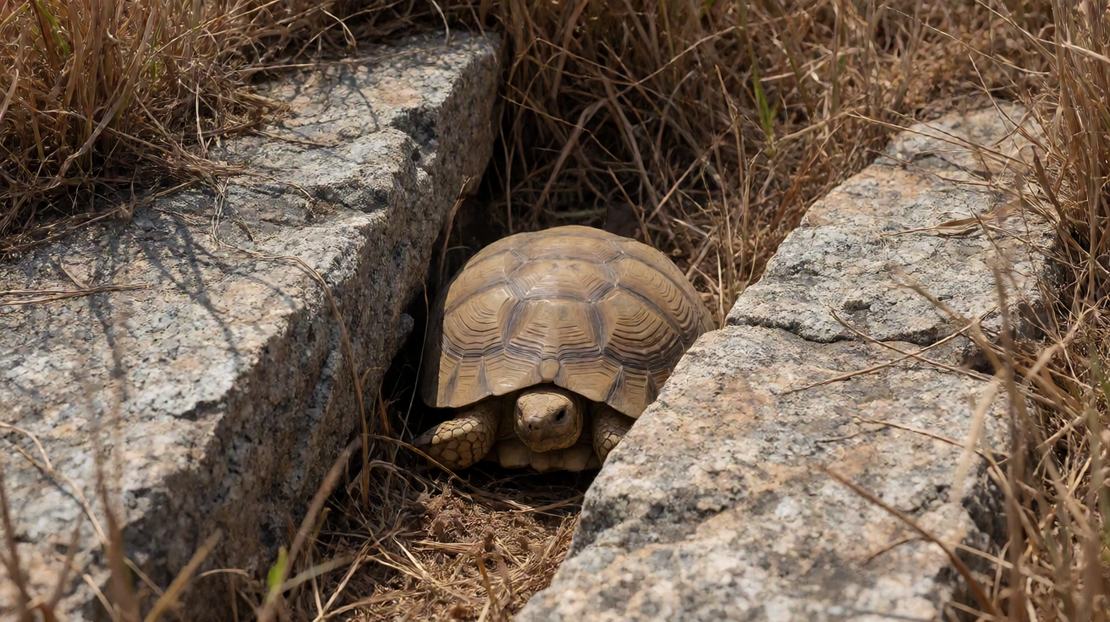
Malacochersus tornieri | Pancake Tortoise
Species Profile · Testudinidae
Pancake Tortoise
A tortoise with a flat shell that jams into rock crevices.
Critically Endangered
Shell
Weight
Clutch
Incubation
Range
Rating
Seven hundred grams of flat shell
A shell that fits a crack
A flat shell lets this tortoise slide into cracks that no other tortoise can use. Length reaches 18 cm, and the shell stays only a few centimetres thick. Weight runs 500 to 700 g. Rocky hills in Kenya and Tanzania hold every wild animal, since the species needs deep fissures.
Long legs and clawed feet carry the body fast over hot stone. Frightened animals jam into a crevice, and the lungs then inflate to lock the shell in place. Dry grass, leaves and fallen fruit form the diet. Females lay a single egg at a time, although they may nest several times in a season.
Collectors prize the species, and the trade has emptied many hills. Few tortoises move so quickly, yet few are so easily caught by people who know where to look.
Family tree
Testudinidae, the true tortoises
Malacochersus tornieri sits in Testudinidae, the family of true tortoises. Siebenrock named the species in 1903. It forms a genus of its own, since no other tortoise carries a shell this flat. The Marginated Tortoise lives on Greek hillsides, while this animal keeps to East African kopjes.
Both eat dry plants, and both shelter among stones. Their shells differ, though, because one flares at the rear and the other lies almost flat. Genetic work places the species among the African tortoises. No subspecies is named today.
Older guides called it the crevice tortoise, and the name fits the habit better than the current one. One species survives in scattered hills, although the hills were once joined by open bush.
A genus of one flat tortoise
How to tell one
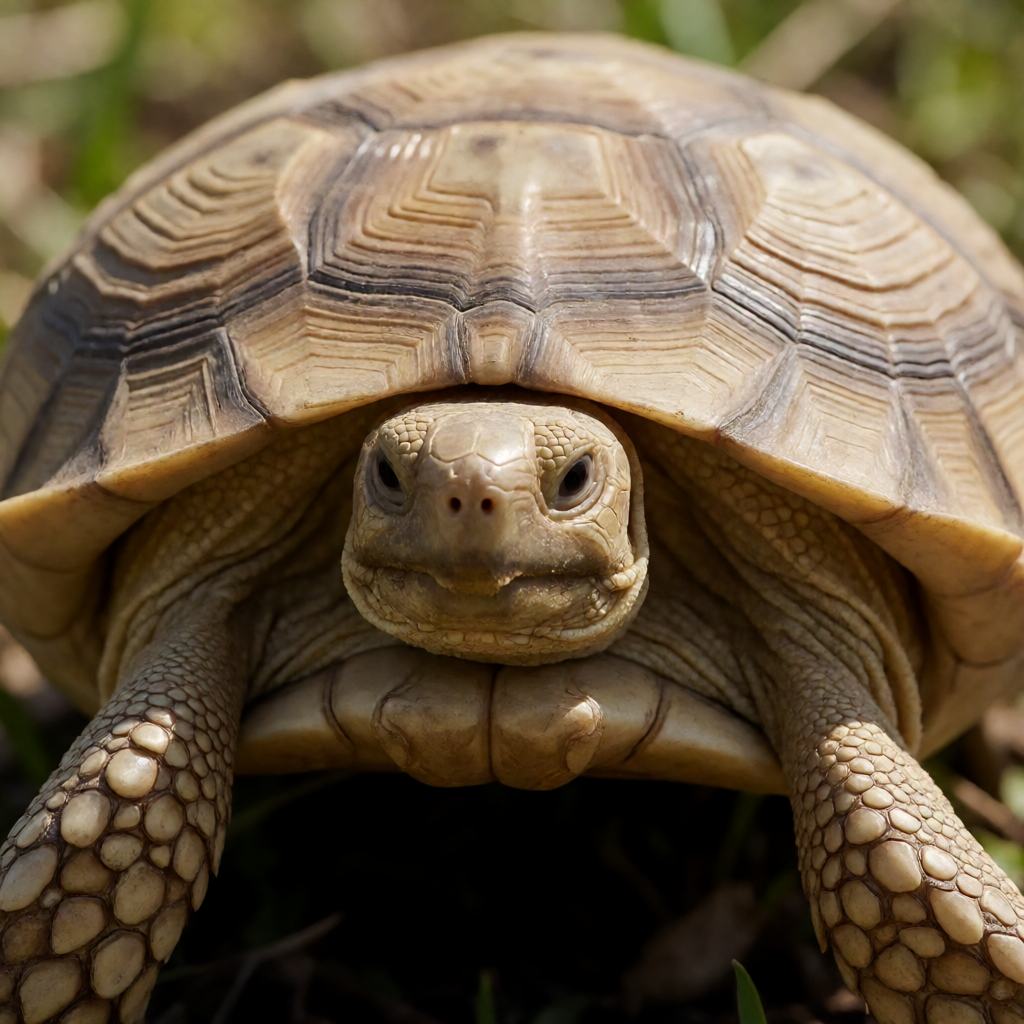
Length reaches 18 cm in a large female. Weight runs 500 to 700 g. The shell looks flat and brown, with spreading plates and pale seams. Those plates stay flexible, unlike the rigid shell of most tortoises.
Soft plates under the body let it flatten further, yet the animal keeps its shape. Long thin legs carry the animal at a surprising speed. Claws on the front feet hook into rock, and the hind feet push. Head and neck stretch forward when the animal runs, and the small skull keeps the body low.
Skin stays dry, so the tortoise loses little water through the day. Flat bodies also shed heat slowly, and the shape fits a life spent in shade.
1
2
3
Flat shell, fast legs
Where it lives
Kopjes of weathered granite hold the main groups. Deep crevices give shade through the hottest hours. Range covers northern Tanzania and southern Kenya, with a few hills in between. Open bush around the rocks supplies food, since the tortoise must leave cover to graze.
Rain comes in two short seasons. The plants respond fast. Fire sweeps the grass in dry years, although rock shelters protect the animals. Cattle trample the bush and compact the soil.
Charcoal cutting removes the shade around the hills. One hill may hold a dozen animals, and open bush separates each hill from the next. Losing one hill costs the species more than losing the same area of flat ground.
Granite kopjes and open bush
What it eats
Dry grass forms the base of the diet. Leaves, fallen fruit and wet plants fill the rest. Feeding happens in the cooler hours, since heat drives the animal back into rock. Males and females range a few hundred metres from a crevice, yet they return before dark.
Water comes from plants, and the animal rarely drinks. Feeding stops in the dry season. The tortoise then waits in shade. Growth slows with the food supply, so a small animal may be older than it looks.
Captive animals need a dry diet, because wet food causes illness. Keepers give calcium to replace what the wild plants supply. Wild tortoises feed on a wide mix of plants, and no captive diet matches it.

Dry grass and fallen fruit
The breeding cycle
Courtship happens after the short rains. A male circles the female, and he rams her shell before mating. One egg is laid in a scrape under a bush. A female may lay two or three times in a season, and each egg goes under a different bush.
Eggs hatch in four to six months, which is long for a small tortoise. Hatchlings measure about 4 cm, and the shell stays soft for weeks. Young animals hide in small cracks, since a wide crevice holds hunters too. Growth is slow.
A female may take a decade to breed. Few eggs reach hatching, so the species replaces itself slowly. Every adult taken from a hill is a lost breeder, since the loss cannot be made up quickly.
Critically Endangered, and traded
Conservation
IUCN lists the species as Critically Endangered. Numbers fall across both countries, and the trade drives the drop. Traders sell animals to private keepers abroad. Habitat loss follows the charcoal trade and the cattle.
Guarded areas cover part of the range, although patrols stay thin. CITES now lists the species in Appendix I, so legal trade has ended. Seizures show the trade still runs, and shipments hide in luggage. Counts in known hills keep falling, and the figures show a steady slide.
Community scouts watch the kopjes in northern Tanzania. Saving the species needs an end to trade and a living bush around every hill, because a tortoise cannot cross open farmland.
Side by side
How It Compares
| Trait | Pancake Tortoise | Marginated Tortoise |
|---|---|---|
| Shell | about 18 cm, flat and flexible | about 30 cm, rigid with a flared rear |
| Weight | 500 to 700 g | about 2 kg |
| Home | granite kopjes in Kenya and Tanzania | dry hillsides in Greece |
| Legs | long and thin, built for running | short and sturdy, built for walking |
| Food | dry grass, leaves and fallen fruit | weeds, flowers and fallen fruit |
| Clutch | one egg, two or three times a season | four to six eggs, once a year |
Common misreadings
What People Get Wrong
- Many people believe the shell protects the animal, yet the flat plates bend under a bite.
- Some guides call the species slow, although it can outrun a person over rock.
- A common claim says the female lays many eggs, yet she lays one at a time.
Going further
Sources and Further Reading
Quick hits
Five things to remember
- The shell stays only a few centimetres thick.
- Males ram the female shell before mating.
- One egg is laid at a time.
- Long legs carry the tortoise at speed.
- The animal inflates its lungs to jam in a crevice.