 By Iris
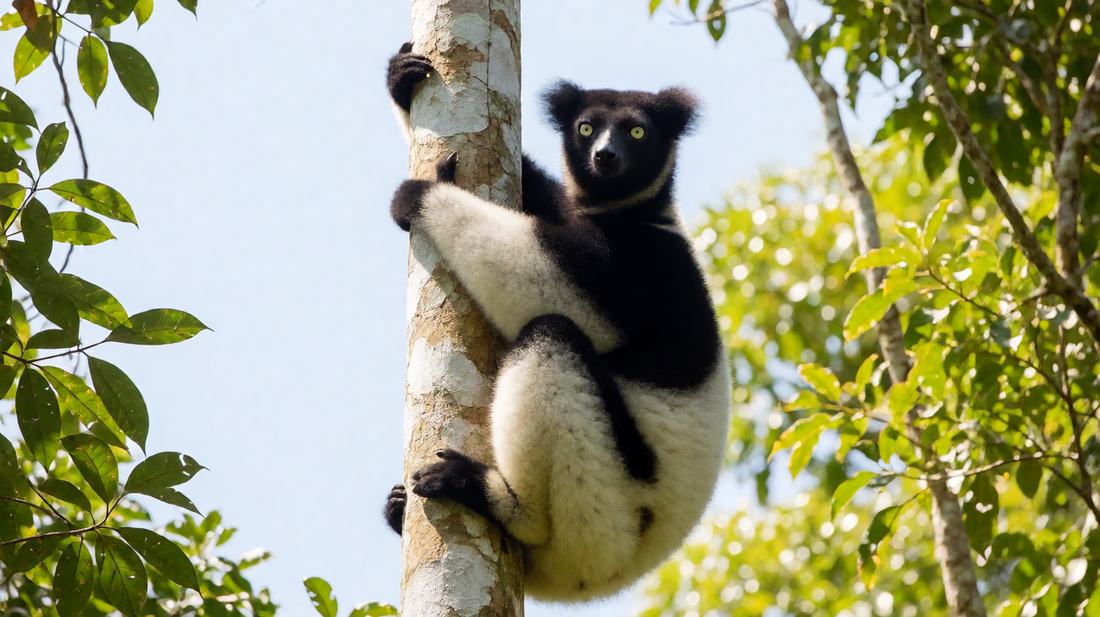
Indri indri | Indri
Species Profile · Indriidae
Indri
The largest lemur alive, a black and white tree dweller of eastern Madagascar whose dawn songs carry for kilometres.
Critically Endangered
Head and body
Weight
Young
Mature animals
Song
Range
The Indri
The singing lemur
This animal is the largest lemur still alive. It lives only in the rain forests of eastern Madagascar. Its coat is black and white in bold patches.
It holds its body upright when it climbs. It can leap many metres between tree trunks. Its tail is only a short stump.
A family group sings a wailing song at dawn. The sound carries for kilometres through the trees.
Family tree
Indriidae, the indri and sifakas
Indri indri is its Latin name. The animal sits in the family Indriidae. That group holds the indri, the sifakas and the woolly lemurs. It is the only member of its genus.
A German naturalist described it in 1788. Local people call it babakoto. That name means father of a small boy. Its nearest kin are the sifakas of the same forests.
A Ring-tailed Lemur lives on the same island and shares the same wet-forest world. Both are found nowhere else on Earth.
72 cm of black and white
How to tell one
Head and body measure 64 to 72 cm. With the legs stretched out it reaches nearly 120 cm. Body weight runs from 6 to 9.5 kg. The coat is thick and soft.
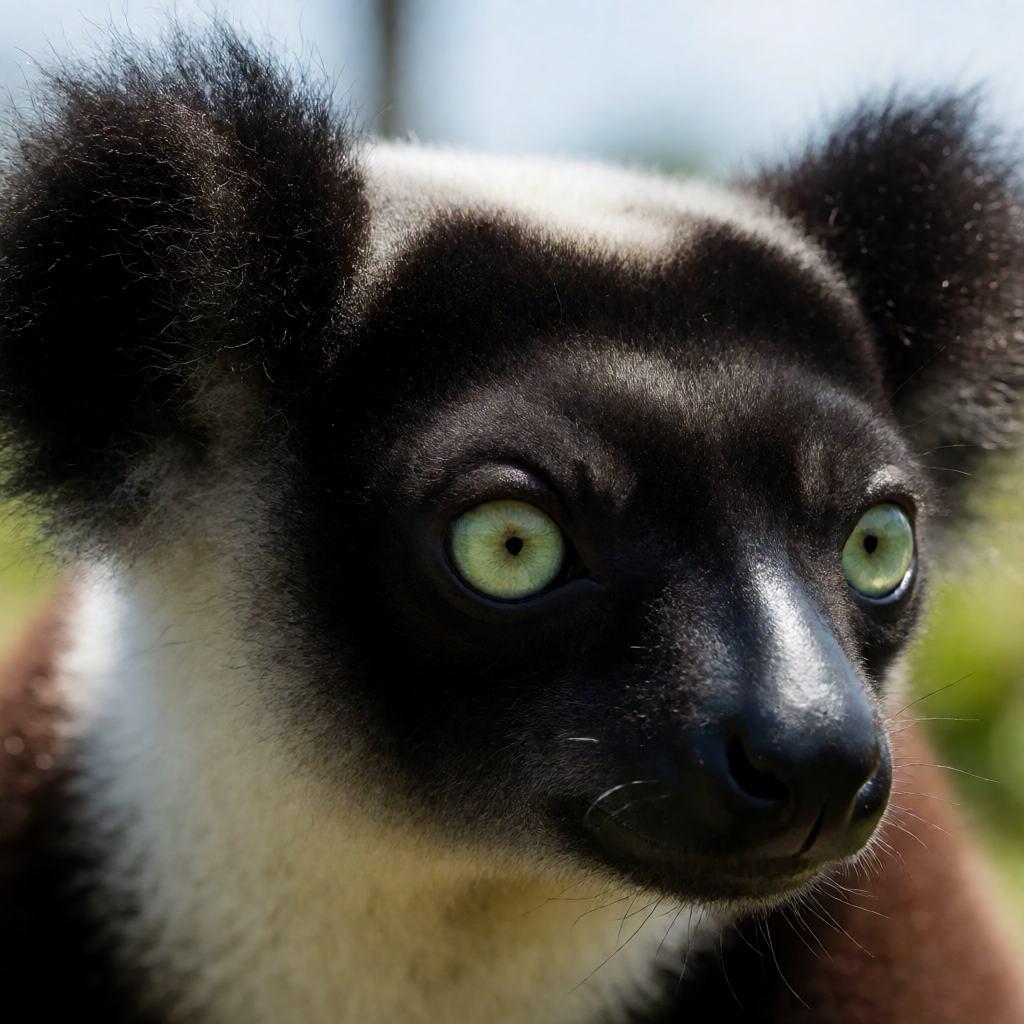
White fur covers the head, neck and arms. Black fur covers the back and the legs. The face is bare and black. The eyes are bright green or yellow.
The feet are long and built for gripping. The arms are short compared with the legs. That shape lets it jump from trunk to trunk.
1
2
3
Eastern Madagascar rain forest
Where it lives
This animal lives in the eastern rain forests of Madagascar. It needs tall trees with a dense canopy. It uses both old forest and regrown forest. It is found from low ground up to the middle hills.
The animal sleeps high in the branches. It moves through the trees rather than on the ground. Its whole range is now broken into small patches.
Leaves, seeds and fruit
What it eats
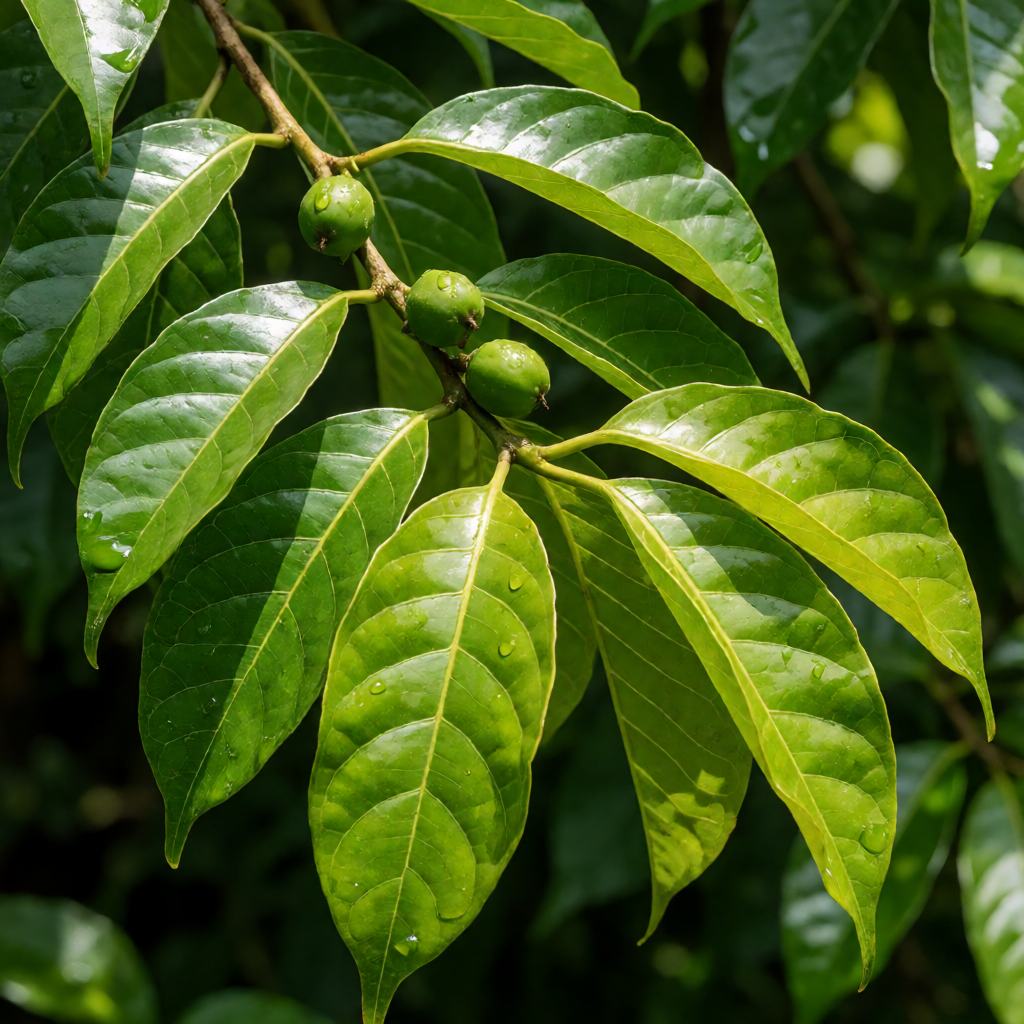
Leaves form the largest part of the diet. The animal also eats seeds, fruit and flowers. It prefers young leaves over old ones.
It feeds in the morning and again in the afternoon. Between meals it rests and digests. The animal has a large stomach for plant food.
It may eat soil from time to time. That habit may help it cope with plant poisons.
One young every few years
The breeding cycle
A pair stays together for life. The female is ready to breed every 2 or 3 years. One young is born at a time.
The baby clings to the mother’s belly at first. Later it rides on her back. It stays close to her for many months.
Young animals take several years to mature. The species does not breed well in zoos.
Critically Endangered
Conservation
The IUCN rates this animal as Critically Endangered. Fewer than 10,000 mature animals are left. Their numbers are still going down.
Forest is cleared by cutting and burning. The animal is also hunted in some districts. Long gaps between births slow any recovery.
Local taboo protects it in several areas. Those beliefs have helped it survive. National parks in the east give it shelter.
Quick hits
Five things to remember
- Its song is one of the loudest calls of any primate.
- Two animals in a pair sing in a fixed pattern.
- It is one of the few primates that cannot survive in a cage.
- It is treated as a sacred ancestor in local stories.
- It needs long rests to digest its leafy food.