 By Iris
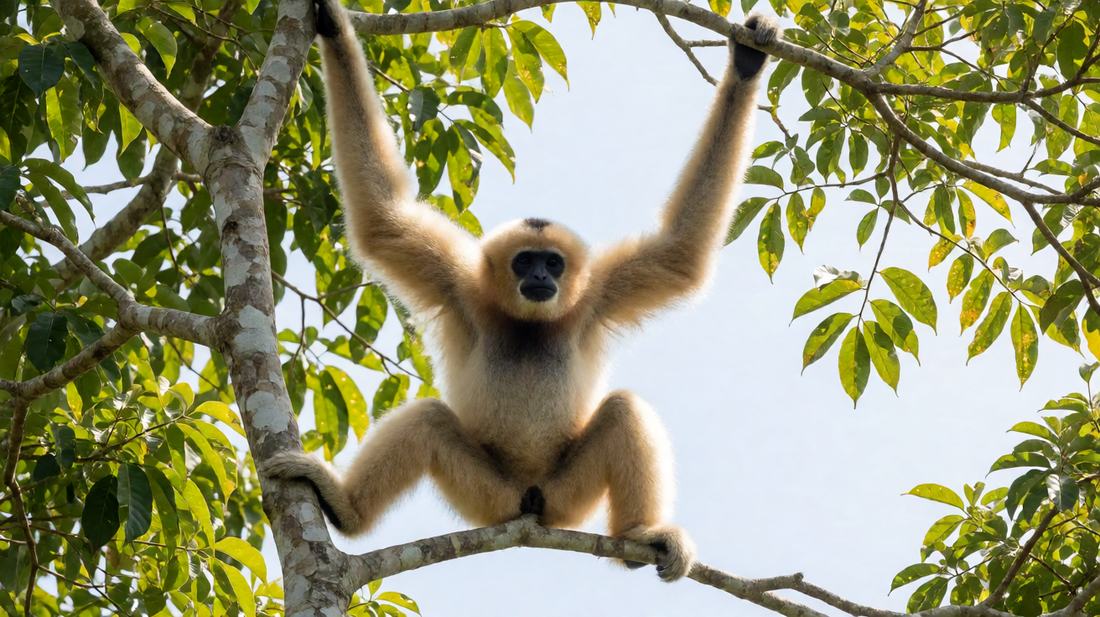
Hylobates lar | Lar Gibbon
Species Profile · Hylobatidae
Lar Gibbon
A South East Asian ape with white hands, a black face and arms so long it can swing through the canopy faster than a person can run.
Endangered (2015 assessment)
Length
Weight
Young
Duet
Ceiling
Lifespan
The Lar Gibbon
The white-handed ape
This ape lives in the rain forests of South East Asia. It swings through the trees using its long arms. That way of moving is called brachiation.
The animal has white hands and white feet. A ring of pale fur frames its dark face. Fur colour varies from black to sandy brown.
Males and females look much the same. A pair sings a loud duet each morning.
Family tree
Hylobatidae, the small apes
Hylobates lar is its Latin name. The animal sits in the family Hylobatidae. That group holds the gibbons and the siamang.
Five forms are recognised today. Carl Linnaeus named the species in 1771. One form from southern China may already be gone.
Its nearest kin are the other gibbons of the region. An Olive Baboon is a distant cousin in the same order. Both live in family groups and call to mark their ground.
59 cm of pale fur
How to tell one
Body length runs about 42 to 59 cm. Weight falls between 4 and 8 kg. The arms are far longer than the legs. Its arm-to-leg index is among the highest of all primates.
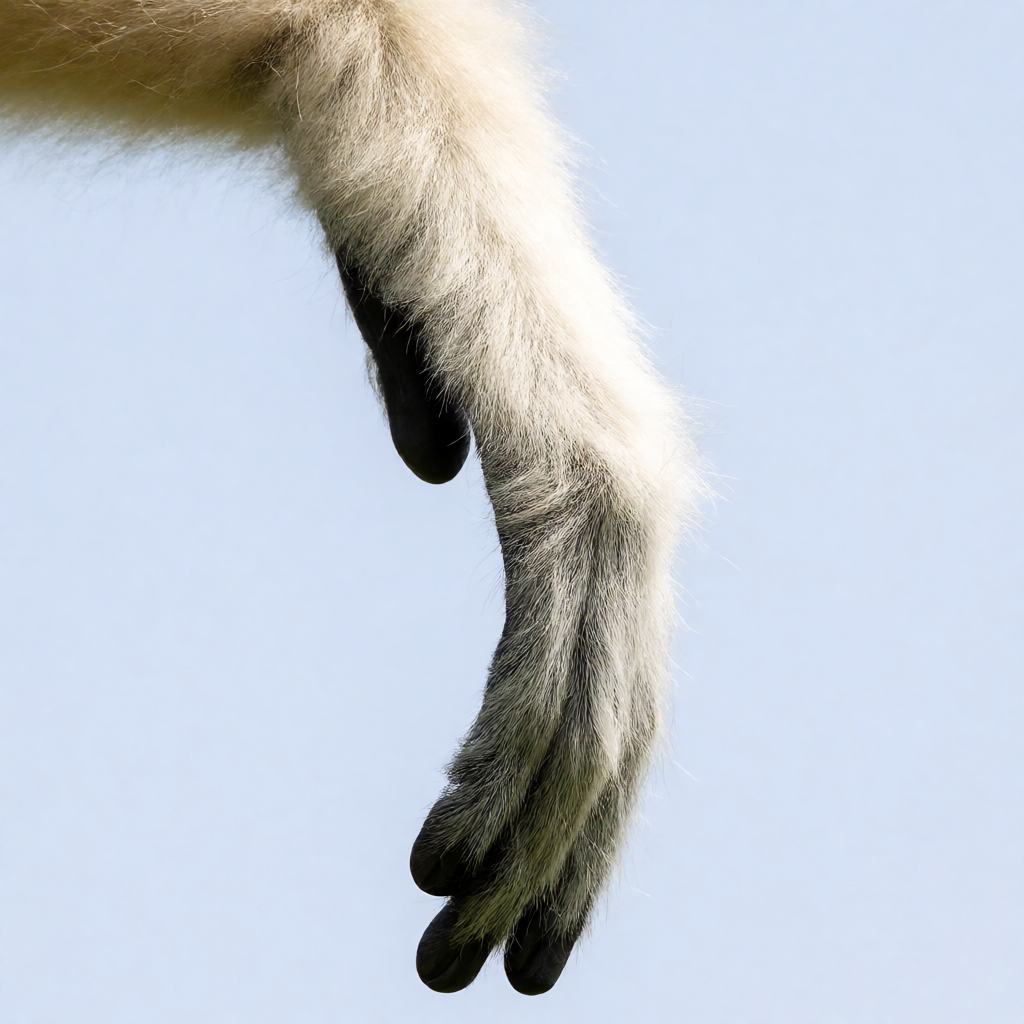
That build makes it a fast tree traveller. The hands have long curved fingers. The animal has no tail at all. Thick pads of skin sit on its sitting bones.
Fur colour is not fixed within the species. Both sexes can be dark or pale. The face stays black in every form.
1
2
3
Lowland rain forest of South East Asia
Where it lives
This ape lives in Indonesia, Laos, Malaysia, Myanmar and Thailand. It prefers lowland rain forest. It also uses hill forest and mixed bamboo woodland.
It is not usually found above 1,200 m. Its range has shrunk and broken up in recent years. It may now be gone from China.
Rivers often separate one gibbon species from another. The animal needs tall trees with joined crowns.
Fruit, leaves and flowers
What it eats
Fruit makes up about half of the diet. Leaves form a large second share. Flowers and insects fill the rest.
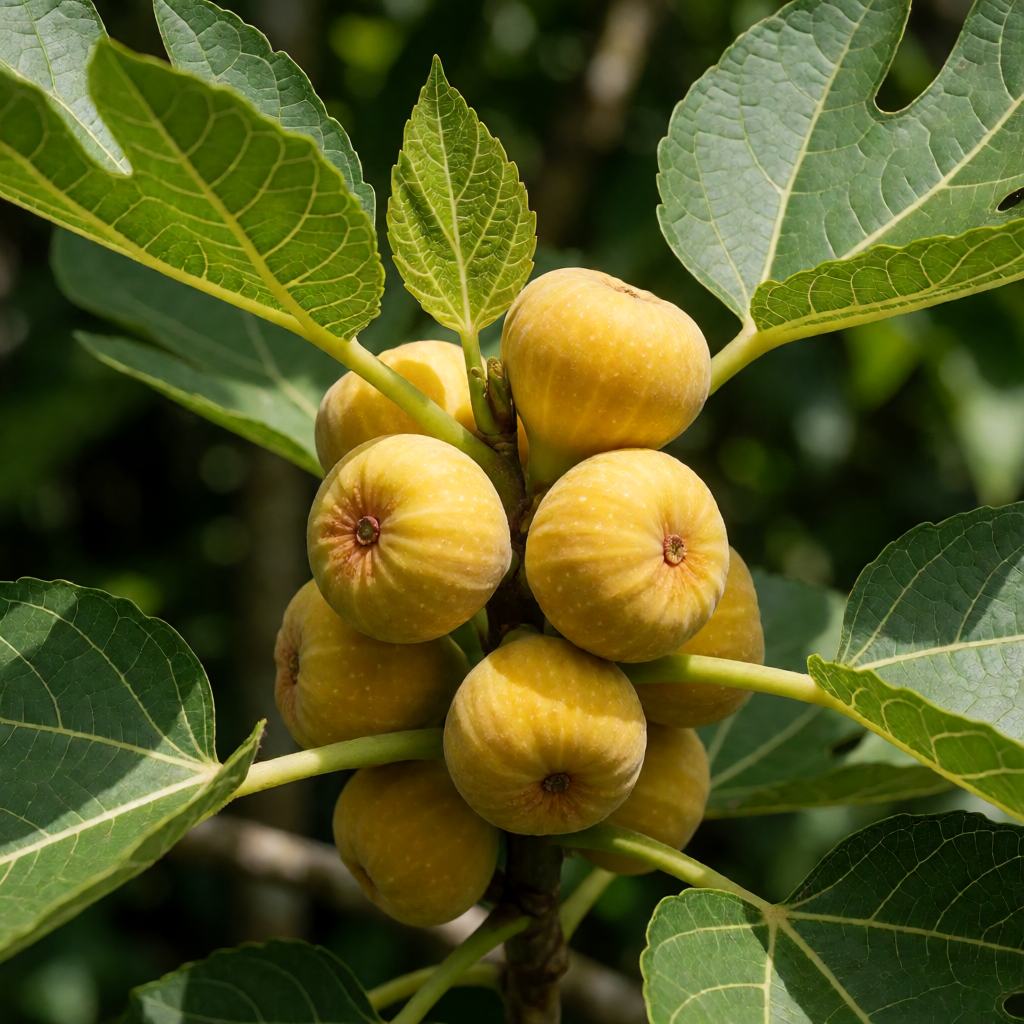
Figs are a favourite food. The animal also eats buds and young shoots. It picks food with its hands while hanging.
It rarely comes down to the ground. A family group feeds inside its own small territory.
One young at long intervals
The breeding cycle
A pair stays together for many years. The bond is kept strong by daily duets. Each pair defends a small area of forest.
A single young is born at a time. The gap between births is long. The mother carries the baby for the first months.
The father also helps to raise it. Young animals leave the family group as they grow. The animal lives about 25 years in the wild.
Endangered across its range
Conservation
The IUCN lists this ape as Endangered. The last full check was made in 2015. Its numbers are falling across its range.
Forest is cleared for timber and for farmland. The animal is also caught for the pet trade. Hunting for food takes many more.
Loss of tall trees is a serious problem. Some parks protect good forest in Thailand. Breeding in zoos has had only limited success.
Quick hits
Five things to remember
- Its song can be heard more than a kilometre away.
- A pair can sing a duet in perfect turns.
- It moves through the trees faster than a person can run.
- White hands and feet gave it the name white-handed ape.
- It almost never drinks, taking water from its food.