 By st20113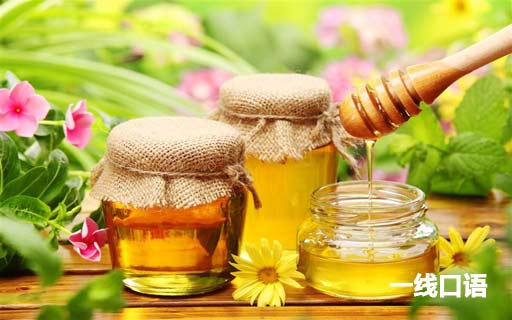
Honey is a natural, viscous, golden sweetener produced by honey bees from the nectar of flowers. One of the oldest food products consumed by humans, honey has been prized for thousands of years not only for its distinctive sweet flavor but also for its medicinal properties, nutritional value, and remarkable shelf life — archaeological evidence has shown that honey stored in Egyptian tombs thousands of years ago remained perfectly edible when discovered. Today, honey production is a global industry worth billions of dollars, with thousands of varieties available ranging from pale, mild clover honey to dark, robust buckwheat honey.
Production Process
The remarkable journey from flower nectar to finished honey involves a sophisticated biological process unique to the honey bee. Forager bees visit millions of flowers, using their long, tube-shaped tongues (proboscises) to draw nectar into a specialized honey stomach (the crop), where it is mixed with enzymes from the bee’s salivary glands. Upon returning to the hive, the forager bee transfers the nectar to house bees through a process called trophallaxis — mouth-to-mouth regurgitation — during which additional enzymes continue breaking down complex sucrose sugars into simpler glucose and fructose. The bees then spread the partially dehydrated nectar across the surfaces of honeycomb cells, fanning their wings vigorously to accelerate water evaporation. When the water content drops below 18.6%, the cell is sealed with a wax cap for long-term preservation.
The enzymatic conversion of nectar to honey is critical. The enzyme invertase catalyzes the breakdown of sucrose into glucose and fructose, while glucose oxidase slowly converts some glucose into gluconic acid and hydrogen peroxide — the latter acting as a natural preservative that prevents microbial growth. This biochemical transformation, combined with the honey’s natural acidity (pH 3.2–4.5) and low moisture content, creates an environment hostile to bacteria, yeast, and mold, explaining honey’s extraordinary longevity without refrigeration.
Floral Origins and Varieties
The flavor, color, aroma, and texture of honey are profoundly shaped by the floral sources the bees have foraged. Monofloral honeys — produced predominantly from a single plant species — include the pale, mild sunflower honey, dark buckwheat honey with its robust molasses-like flavor, delicate orange blossom honey, and rare lavender honey. Polyfloral or wildflower honeys, produced from diverse mixtures of nectar sources, tend to have more complex, layered flavor profiles that vary from season to season and region to region.
The crystallization of honey — a natural process by which liquid honey transforms into a semi-solid state — is determined by its glucose-to-fructose ratio, which is in turn determined by floral source.Honey with high glucose content (such as sunflower and clover honey) crystallizes quickly, while honey high in fructose (such as acacia honey) remains liquid for months or years. Crystallized honey is not spoiled; it can be gently warmed in a water bath to return it to a liquid state without damaging its nutritional properties.
Nutritional and Medicinal Properties
Honey is composed primarily of carbohydrates (approximately 80%, mostly glucose and fructose in roughly equal proportions), with water making up 15–18% and trace amounts of proteins, amino acids, vitamins (notably B vitamins and vitamin C), minerals (iron, zinc, potassium), antioxidants (including phenolic compounds and flavonoids), and organic acids. The caloric content is approximately 304 calories per 100 grams — slightly higher than table sugar. Despite its reputation as a “natural” or “healthier” sweetener, honey should be consumed in moderation due to its high sugar content.
The medicinal use of honey, known as apitherapy, dates back thousands of years. Modern science has validated several traditional applications: honey’s low pH, high sugar concentration, and hydrogen peroxide content make it an effective topical treatment for minor burns, wounds, and ulcers, with clinical studies showing it can accelerate healing and reduce infection rates. Manuka honey from New Zealand, derived from the Leptospermum (tea tree) plant, has demonstrated particularly potent antibacterial properties due to its unique methylglyoxal (MGO) content. Honey is also widely used as a soothing agent for coughs and sore throats, with clinical evidence supporting its effectiveness in reducing cough frequency in children over one year of age.