 By st20113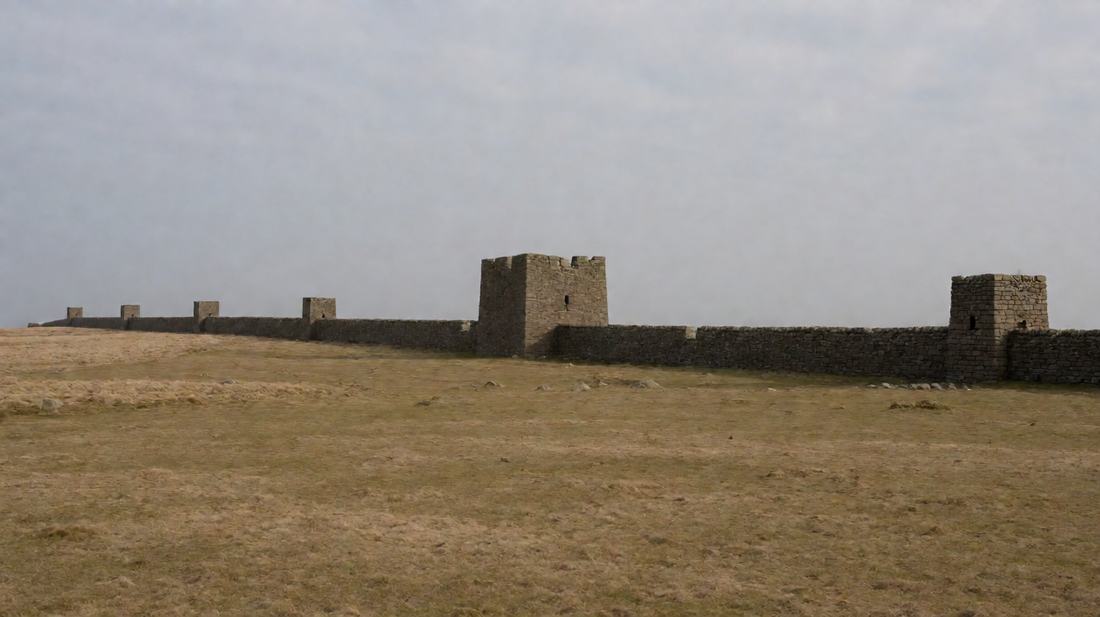
Hadrian’s Wall | The Edge of the Roman World
Historical Profile · Northern Britain
Hadrian’s Wall | The Edge of the Roman World
A stone frontier across the narrow neck of Britain, held by soldiers drawn from every corner of the empire and built to the same standards as Rome itself.
AD 122-410
Begun
Length
Built by
Finished
Listed
The big picture
Introduction
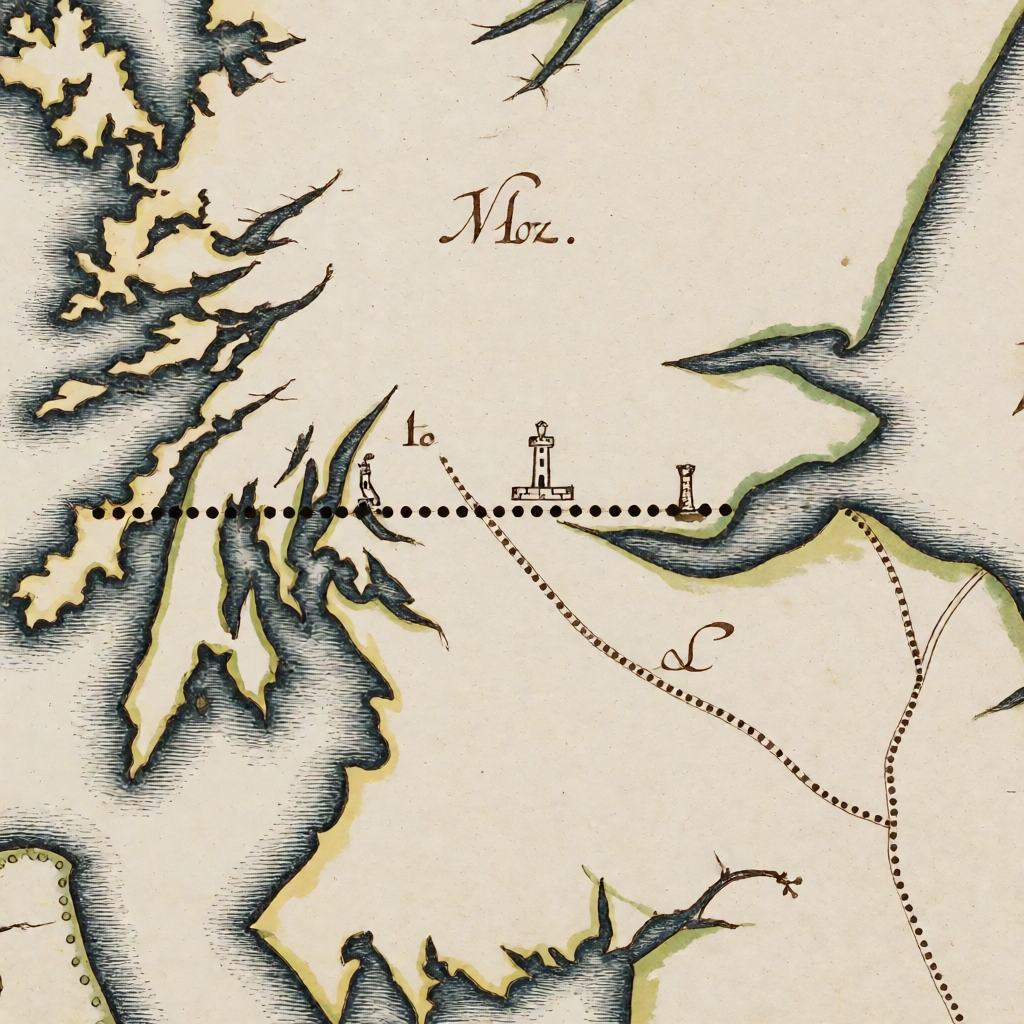
Hadrian’s Wall runs for about 117 km across northern Britain. It goes from the Solway Firth in the west to the river Tyne in the east. It was begun in AD 122. The order came from the emperor Hadrian.
It took about 10 years to finish. The wall was not a single line. It was a whole system. There was a stone rampart with a ditch in front.
There was a fort every Roman mile. Smaller towers stood between the forts. Behind it all was a great earthwork. Soldiers from across the empire held it for nearly 300 years.
Setting
Historical Context
The Romans had invaded Britain in AD 43. Within a few decades they held the south and the Midlands. The north was harder. In AD 60 a rising of the peoples of the east almost pushed them out. After it was crushed the army pushed north. By about AD 83 a Roman force had fought its way into the highlands of Scotland.
For a few years it seemed the whole island would be taken. It was not. The highlands were hard to hold. The army withdrew to a line further south. For the next 40 years the northern frontier was a zone of forts and roads. Raids from the north went on.
Hadrian came to the throne in AD 117. He gave up the attempt to expand the empire. He set about fixing its limits. In AD 122 he came to Britain in person.
Turning points
Key Events
The work was done by the three legions then in Britain. Each built its own stretch. The plan changed while the work was under way. The first design called for a wall about 3 m thick. The western third was later built of turf on a base of stone. A second line was cut behind the wall. It was a deep ditch with banks on either side.
Once the wall was up, the army settled into a routine. Forts were built across it at intervals of one Roman mile. Larger forts stood where roads crossed. The garrison was heaviest in the 200s. Around AD 142 a new wall was built further north. For a time the older wall held only a small force. That experiment was given up within a generation.
The wall was repaired several times. In the 200s and 300s the garrison was reduced. The end came with the empire in Britain. Roman rule broke down at the start of the 400s. The pay of the soldiers stopped. After that the wall was left to itself.
1
2
3
Who held power
People and Powers
Hadrian ruled an empire that ran from the Atlantic to the Euphrates. He spent much of his reign travelling through it. He was a soldier by training. He also admired Greek learning. He left his mark in the form of buildings, roads and frontiers.
The men who held the wall were not legionaries alone. The legions built it. The duty of manning it fell mostly to auxiliary units. These were made up of peoples from every corner of the empire. The record of the garrisons shows units raised in the Low Countries, Spain, Germany, the Balkans and north Africa.
The frontier also had a civilian side. Towns grew up beside the larger forts. Traders, innkeepers and the families of soldiers settled there. These settlements were not planned by the army. They were tolerated and taxed.
Everyday world
Daily Life and Society
Life on the wall followed the army’s clock. The day began with a watch change before dawn. Soldiers on duty manned the gates. They patrolled the wall and kept a lookout from the towers. They trained, cleaned their kit and repaired the buildings.
The pay was steady. It was more than most people in Britain could earn. The forts were built on a standard plan. Inside the walls there was a headquarters with a courtyard. There was a house for the commander and barracks for the troops.
Most also had bath houses. Beyond the walls of the fort lay the settlement of traders and families. The local people lived in scattered farmsteads. They traded with the garrison and some of them served in it. The frontier was a meeting point as much as a barrier.
Craft and ideas
Trade, Technology and Ideas
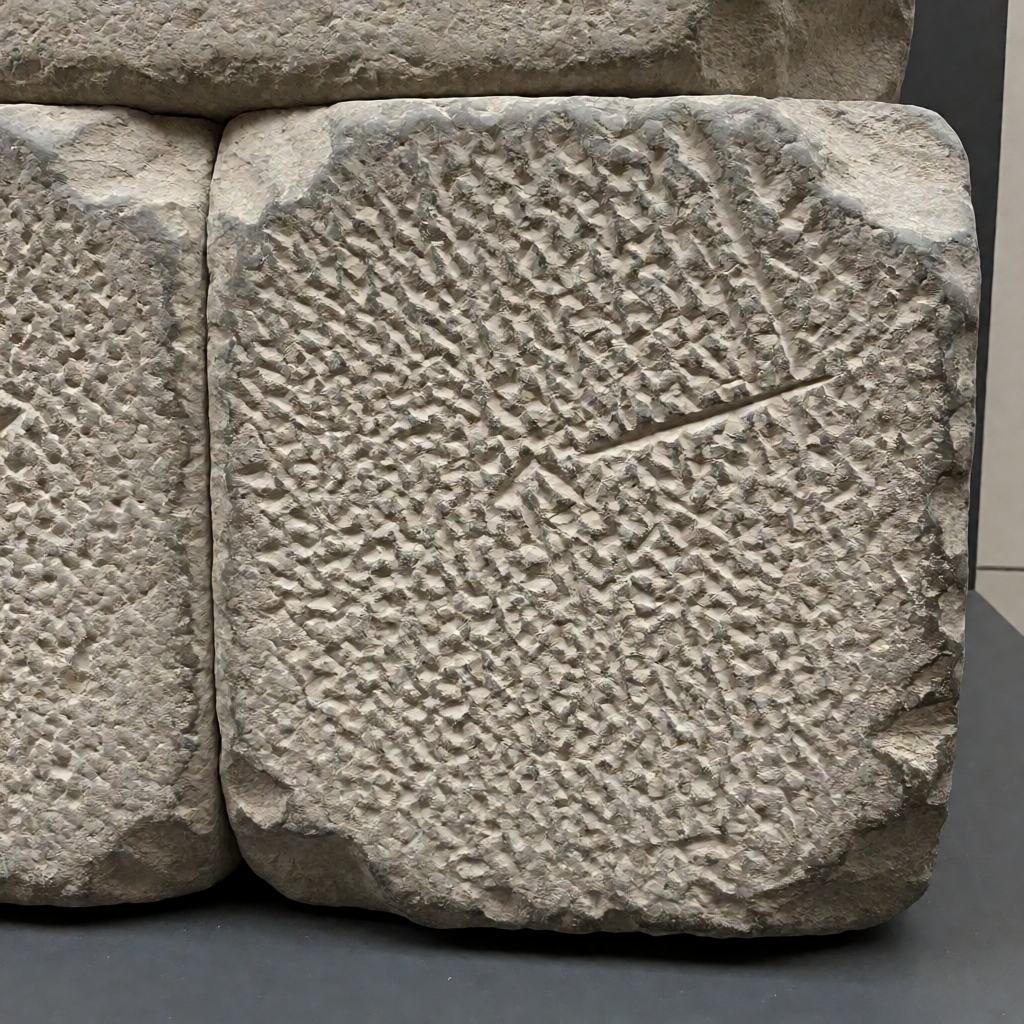
The wall is a lesson in Roman engineering. The stone sections were laid in courses with lime mortar. The faces were dressed so that the joints were tight. The mile forts and the turrets were built to a repeating pattern. A unit could be put into any one of them without change.
Roads ran behind the wall and linked the forts. The army worked to standards that held good across the empire. The engineers who laid out these forts used the same blocks of planning as the men who built the Colosseum in Rome. The settlements beside the forts had baths, shops and houses of the same kind as the towns of Italy. In their smaller way they repeated a pattern of town life.
It can still be walked through at Pompeii and Herculaneum. Altars, tombstones and small carved slabs carry the names of units and individuals. Part of a letter survives in which a soldier asks for socks and underpants.
What lasted
Legacy
The wall was never completely lost. Its line was known through the Middle Ages. From the 1500s scholars began to record what stood. In the 1800s a railway and a road were built close to it. Parts were destroyed.
The response was a movement to protect the remains. In 1987 the wall was listed as a world heritage site. It is now a footpath as well as a monument. A long distance route runs the whole length. Visitors pass through the same gates the soldiers used.
The wall matters because of what it shows. It shows a frontier of the empire at its most settled. There was a controlled border, a heavy garrison and a mixed community of soldiers, traders and local people.
Quick hits
Five Things to Remember
- Hadrian’s Wall was begun in AD 122 on the orders of the emperor Hadrian.
- It runs about 117 km across northern Britain, from the Solway Firth to the Tyne.
- The system included a ditch, mile forts, turrets and a great earthwork behind it.
- It was held by auxiliary units drawn from across the empire for nearly 300 years.
- The wall became a world heritage site in 1987.