 By st20113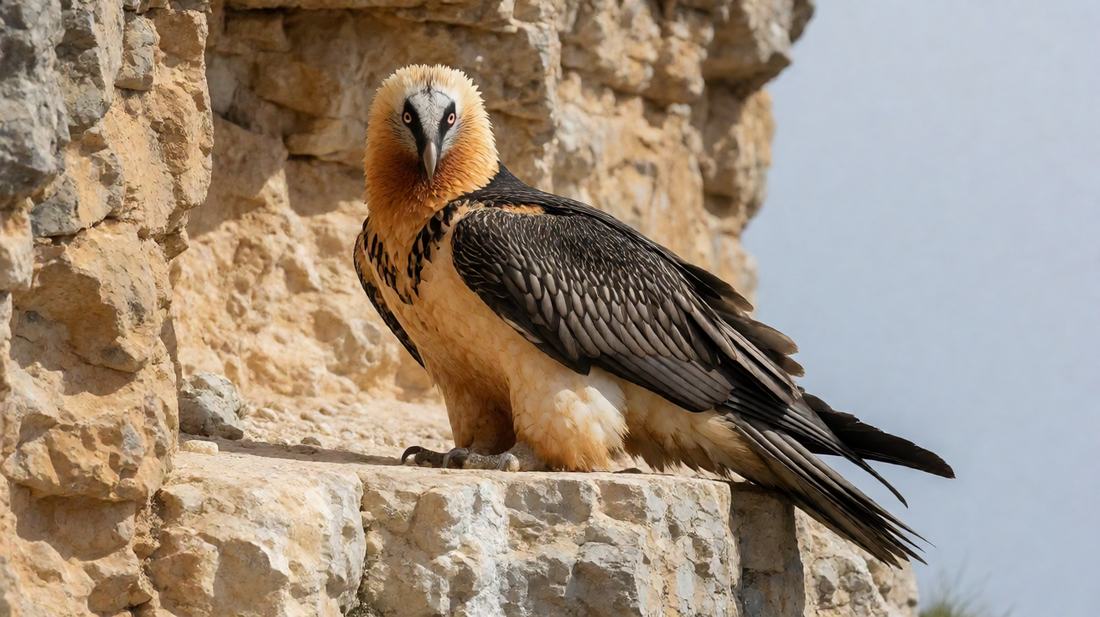
Gypaetus barbatus | Bearded Vulture
Species Profile · Accipitridae
Bearded Vulture
A mountain bird of prey that lives largely on bone and drops heavy pieces onto rocks to smash them open.
The only bird that lives on bone, dropping big ones onto rocks to break them
Length
Weight
Eggs
Incubation
Bones swallowed
Family
The Bearded Vulture
The bone eating bird
This bird eats bones. It is the only bird that lives on them. It drops big bones onto rocks to break them.
It lives in high mountains. Its numbers are falling in many places.
Family tree
Accipitriformes, Accipitridae
The bearded vulture is a bird of prey. Its name is Gypaetus barbatus. The second word means bearded in Latin.
It is the only member of its genus. A distant kin is the Red Kite.
125 cm and a bone diet
How to tell one
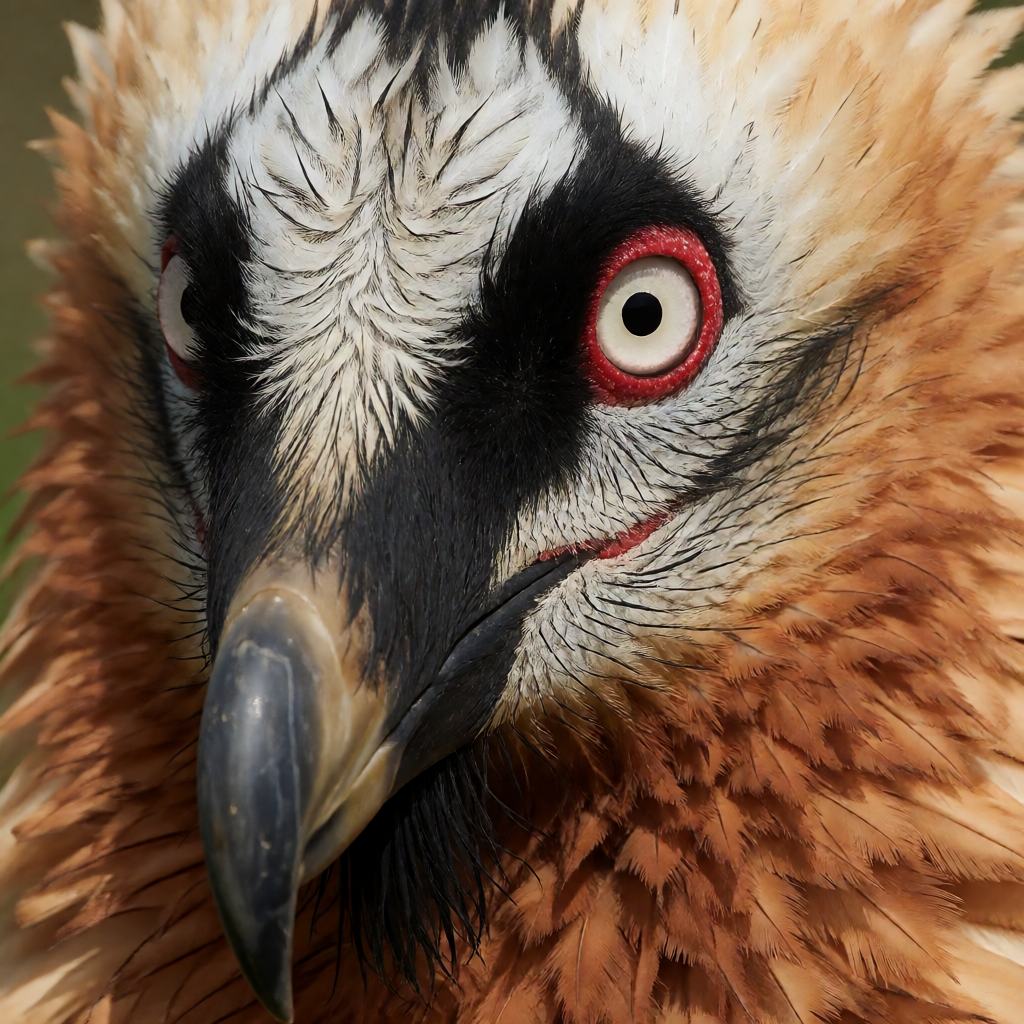
A large adult is about 125 cm long. It can weigh 7 kg. The wings are narrow and pointed. Adults are dark grey, rusty orange and cream.
The rusty shade comes from mud baths. Black feathers hang under the beak like a beard. The eye ring is bright red.
1
2
3
High mountains and deep gorges
Where it lives
It lives in high mountains and deep gorges. Cliffs give it places to nest and roost. It flies over open valleys to look for food.
It needs a huge home area. One pair may range over hundreds of square km. It stays in the same range all year.
Bone, marrow and dried meat
What it eats
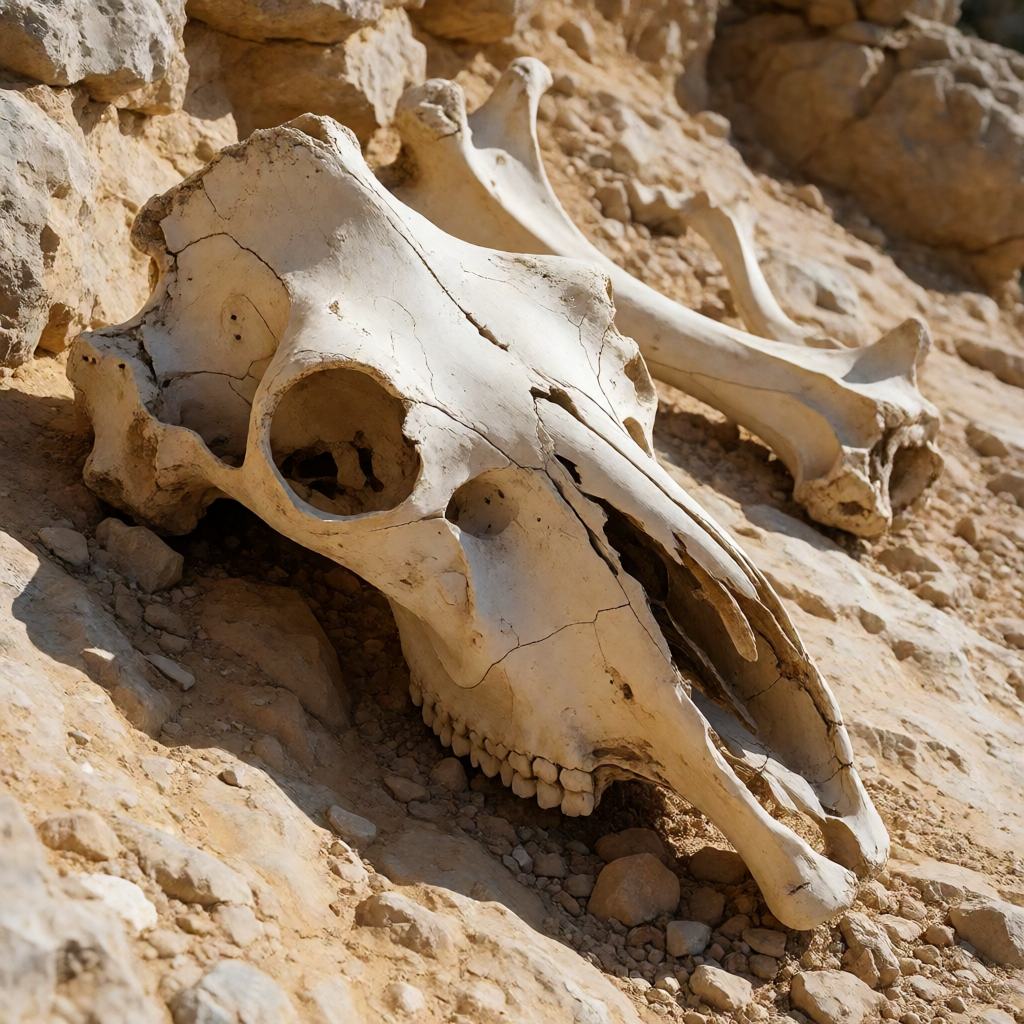
Bones make up most of its food. The bird swallows pieces up to 25 cm long. It also eats marrow, hide and dried meat. Small bones pass through whole.
Big ones are dropped from a height. The bird has very strong stomach acid. It can digest a bone in about a day.
1 or 2 eggs on a cliff
The breeding cycle
A pair builds a nest on a cliff ledge. The female lays 1 or 2 eggs in winter. Both birds sit on them for about 54 days. That is a very long wait for a bird of prey.
Only one chick usually grows up. The young bird flies after about 4 months. It may live 20 years or more.
Near Threatened but recovering
Conservation
This species is rated Near Threatened by the IUCN. Poisoned bait is the worst danger. Lead from bullets also kills birds. Power lines and wind farms add to the risk.
Farmers once shot it for taking lambs. In truth it eats almost no live prey. France, Spain and the Alps now protect it.
Quick hits
Five things to remember
- No other bird eats so much bone.
- It gets its orange colour from mud baths.
- People once called it the bone breaker.
- Pairs often use the same cliff for years.
- The Alps lost the bird, then brought it back.