 By st20113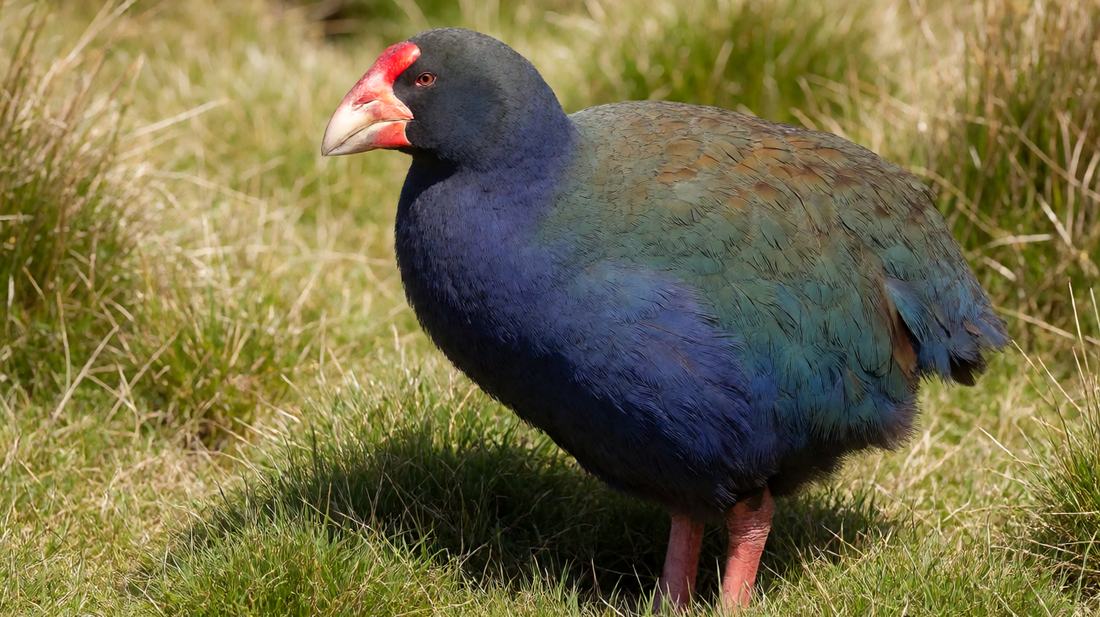
Porphyrio hochstetteri | South Island Takahe
Species Profile · Rallidae
South Island Takahe
A large flightless rail of New Zealand that people thought extinct for fifty years and that now depends on rangers and safe islands.
A flightless blue rail once thought extinct that survives in New Zealand mountains
Height
Weight
Eggs
Incubation
World numbers
Family
The South Island Takahe
A rail that came back
This big bird cannot fly. It lives only in New Zealand. People lost track of it for 50 years. It is one of the rarest birds on Earth.
Family tree
Gruiformes, Rallidae
The South Island takahe is a rail. Its name is Porphyrio hochstetteri. It is the largest living member of its family. A distant kin is the Sarus Crane.
63 cm and a red bill
How to tell one
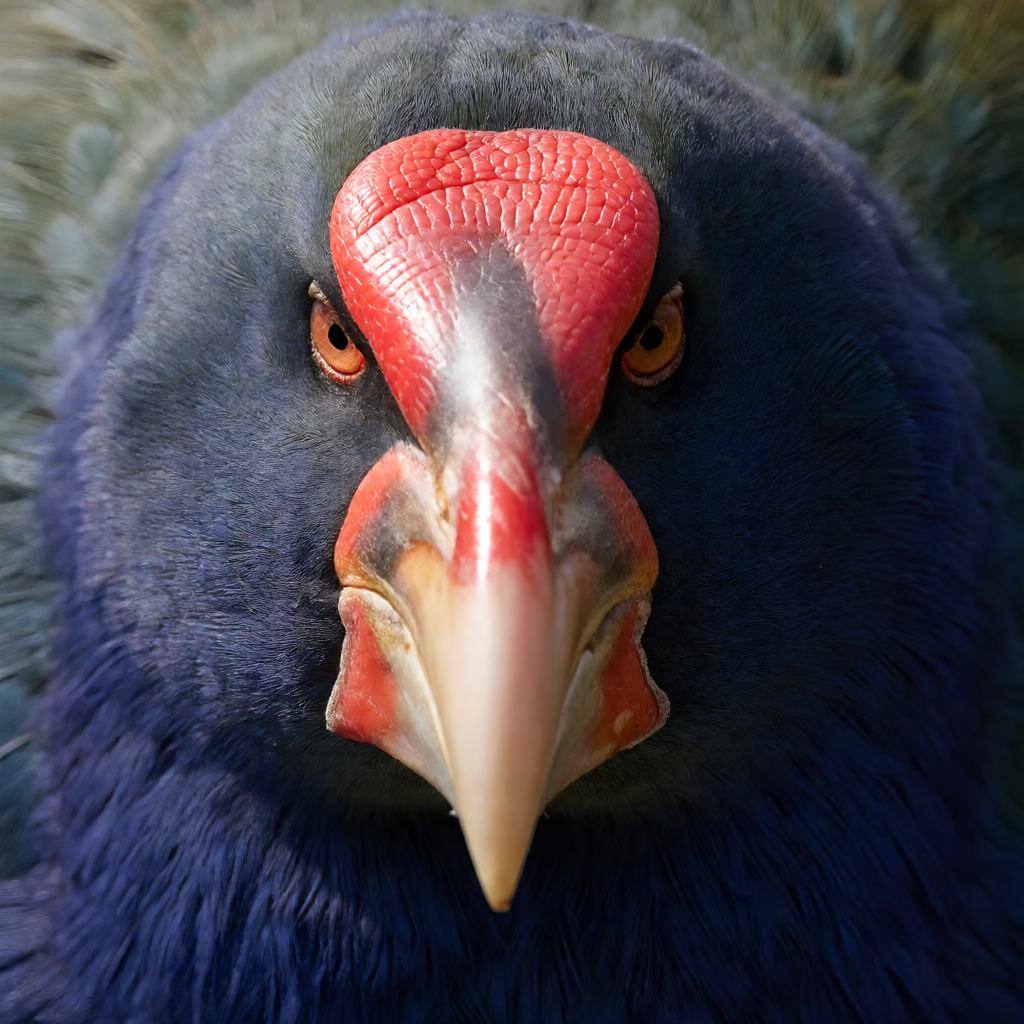
An adult stands about 63 cm tall. It weighs up to 3 kg. The body is blue and green. The bill and legs are bright red.
The bill is thick and strong. Its wings are small and useless for flight. Males are a little bigger than females.
1
2
3
High grassland in New Zealand
Where it lives
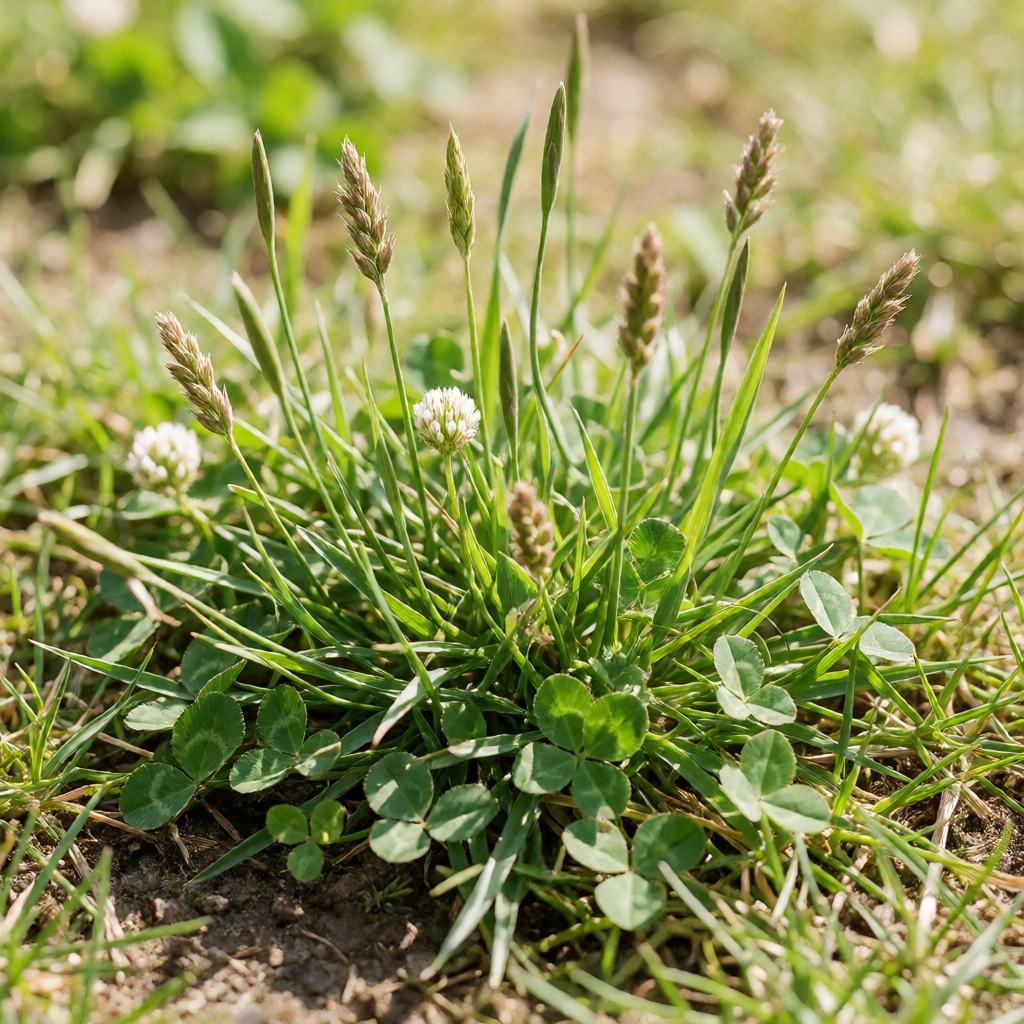
It lives in high grassland in the south of New Zealand. Snow tussock grass covers the hills there. Cold winters bring deep snow.
The bird needs dense grass for cover. Some birds now live on small predator-free islands. These islands are its safety net.
Grass stems, bugs and seeds
What it eats
It eats the soft base of grass leaves. The bird holds a leaf with one foot and strips it. It also takes bugs, seeds and fruit.
It feeds mostly in the early morning. Grass alone gives it little energy. So it must eat for much of the day.
1 or 2 eggs on the ground
The breeding cycle
A pair builds a nest of grass on the ground. The female lays 1 or 2 eggs. Both parents sit on them for about 30 days. The chicks are black and fluffy.
They can feed themselves within a few days. Young birds stay with the parents for months. A takahe may live over 20 years.
Endangered but rising
Conservation
This species is rated Endangered by the IUCN. Stoats and cats kill young birds. Deer eat the grass the bird needs. Snow slides can bury whole nesting grounds.
Rangers track every bird by radio. Moving birds to safe islands has raised the numbers. Fewer than 600 birds now live in the wild.
Quick hits
Five things to remember
- Its name honours a scientist from long ago.
- A doctor found it again in 1948.
- It cannot fly, but it can run fast.
- The chick is born with a dark fluffy coat.
- The whole world population would fit in one hall.