 By st20113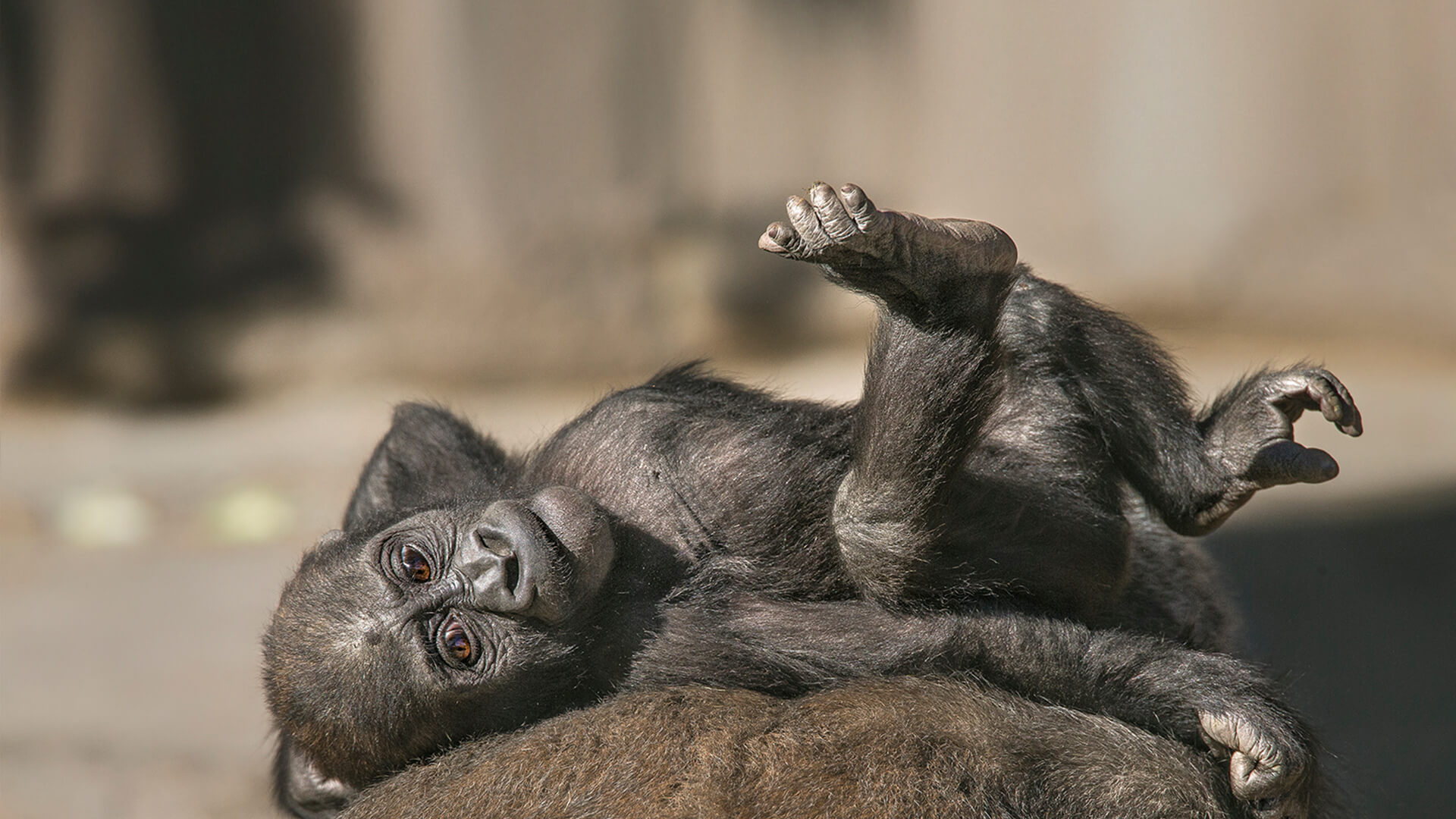
Introduction
The Mountain Gorilla (Gorilla beringei) is a subspecies of the eastern gorilla and one of the most celebrated primates on Earth. Found in the mist-covered volcanic mountains of central Africa at elevations between 2,200 and 4,300 meters, this species has evolved a thick, luxurious coat that insulates it against the cold temperatures of its montane forest home. Mountain gorillas share approximately 98.3 percent of their DNA with humans, making them one of our closest living relatives alongside the Western Gorilla and the Common Chimpanzee. Their populations have shown encouraging recovery in recent decades.
Taxonomy
The mountain gorilla was first identified as a distinct subspecies in 1902, when specimens were collected from the Virunga volcanoes region by German explorer Oscar von Beringe. It belongs to the family Hominidae and the genus Gorilla, within the order Primates. Two subspecies of eastern gorilla are currently recognized: the Mountain Gorilla (G. b. beringei) and the Eastern Lowland Gorilla (G. b. graueri), granted separate subspecies status based on geographic distribution and morphological differences. Molecular studies indicate that eastern and western gorillas diverged from their common ancestor approximately 1.5 million years ago.
Physical Characteristics
The mountain gorilla is the largest living primate, with adult males, known as silverbacks, reaching weights of up to 200 kilograms and standing approximately 1.7 meters tall when upright. The name silverback describes the distinctive silver-gray saddle of hair that develops on the backs of adult males at roughly 12 to 15 years of age. Mountain gorillas have longer and darker fur than their lowland relatives, an adaptation to their cold montane environment. Their arms are longer than their legs, giving them the characteristic knuckle-walking gait used throughout their range.
Habitat
Mountain gorillas inhabit two isolated montane forest regions: the Virunga volcanic mountains along the borders of Rwanda, Uganda, and the Democratic Republic of Congo, and the Bwindi Impenetrable National Park in Uganda. These misty forests are dominated by dense bamboo groves and Hagenia trees at altitudes where temperatures regularly approach freezing. The high rainfall and persistent fog create unique, moisture-dependent ecosystems in which mountain gorillas thrive. Their forest home is under constant pressure from agricultural expansion and human settlement.
Diet
The mountain gorilla’s diet is almost entirely herbivorous, consisting of leaves, stems, bark, roots, flowers, and occasionally fruit. Bamboo shoots are consumed enthusiastically during the brief annual season when available, providing a highly nutritious food source. An adult male may consume up to 34 kilograms of vegetation in a single day. Unlike the Bengal Tiger, which occupies a fundamentally different ecological role as a top carnivore, the mountain gorilla shapes its ecosystem as a large-bodied herbivore whose selective feeding influences forest composition and structure.
Reproduction
Mountain gorillas have one of the slowest reproductive rates of any mammal. Females give birth to a single infant approximately every four to five years, with gestation lasting about 8.5 months. Newborns weigh approximately 2 kilograms at birth and are entirely dependent on their mothers for the first two to three years of life. The entire social group participates in caring for and protecting infants, with older siblings often playing an active role. The slow reproductive rate makes each infant critically valuable to population growth.
Conservation
The mountain gorilla is listed as Endangered on the IUCN Red List, with an estimated 1,000 individuals remaining in the wild. Despite this sobering figure, populations in both the Virunga and Bwindi regions have been slowly increasing, representing a remarkable reversal from earlier decades of decline. Primary threats include habitat loss, disease transmission from human visitors, political instability, and poaching. Eco-tourism programs, rigorous anti-poaching patrols, and community-based conservation initiatives have proven remarkably effective.
Fun Facts
Mountain gorillas construct elaborate sleeping nests each night, weaving branches and leaves into a platform on the ground for adults or in trees for younger individuals. Each gorilla can be individually identified by its unique nose print, much like a human fingerprint – a technique used by researchers as a non-invasive monitoring method. Family groups are led by a dominant silverback who makes all major decisions, including daily movement routes and responses to threats. The King Cobra and other large snakes represent some of the few natural predators capable of threatening young gorillas in the forest understory.