 By Iris
Corucia zebrata | Prehensile-Tailed Skink
Species Profile · Scincidae
Prehensile-Tailed Skink
The largest skink alive, with a tail that grips like a hand.
Least Concern
Length
Weight
Young
Gestation
Range
Rating
Eight hundred grams in the canopy
A tail that holds the branch
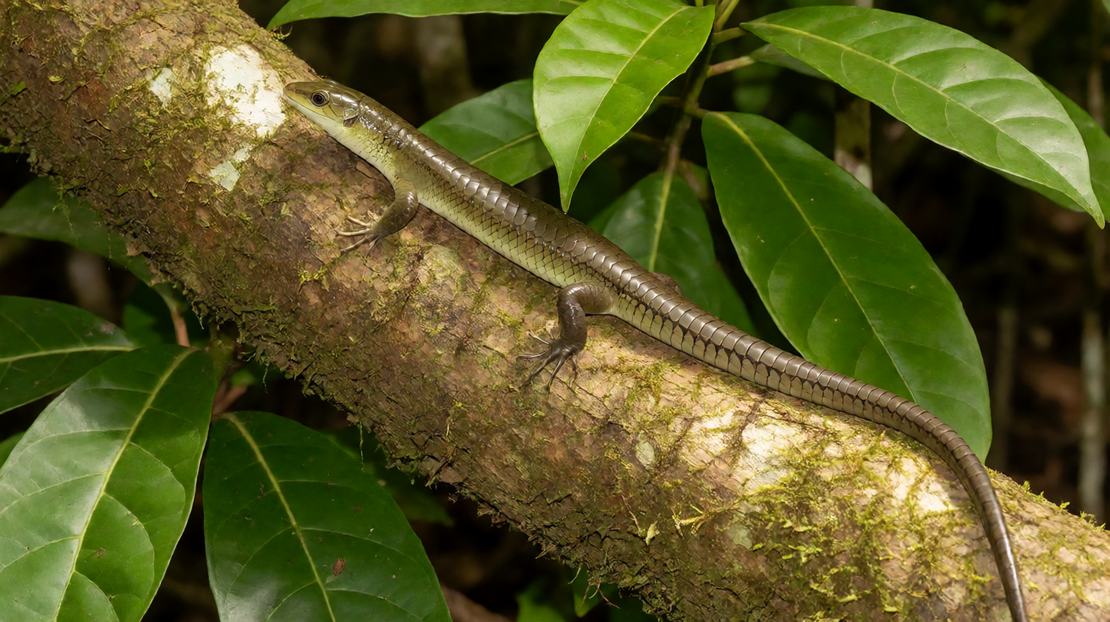
Olive bands and a tail that grips mark this heavy skink. Length reaches 80 cm, which makes it the largest skink alive. Weight runs 400 to 800 g. Solomon Islands rain forest holds the species.
Pairs share a tree hollow, and the bond lasts for years, since the animal keeps a single mate. Leaves, fruit and flowers form the whole diet. Feeding happens at night, and the animal moves through the canopy. One large young is born each year, and it arrives fully formed.
Few lizards give birth to so few young, yet the species survives on these islands. Logging removes the big trees that the animal needs, although the trade now runs under licence.
Family tree
Scincidae, the skinks
Corucia zebrata sits in Scincidae, the family of skinks. Gray named the species in 1855. It forms a genus of its own, since no other skink grips with the tail. The Five-Lined Skink lives on open rock, while this animal keeps to the canopy.
Both shed the tail when caught, and both regrow a shorter one. Their bodies differ, though, because one stays slim and the other grows heavy and slow. Genetic work places the species among the island skinks. Two subspecies are named today, one north and one south.
Islanders called the animal the monkey skink, and the name fits the way it climbs. One species now spans a handful of islands, although the forest on each keeps shrinking.
A genus of its own
How to tell one
Length reaches 80 cm in a large adult. Weight runs 400 to 800 g. Scales look olive green, with dark bands across the back and the tail. Tail curls around a branch like a fifth limb, and the grip carries the whole weight of the body.
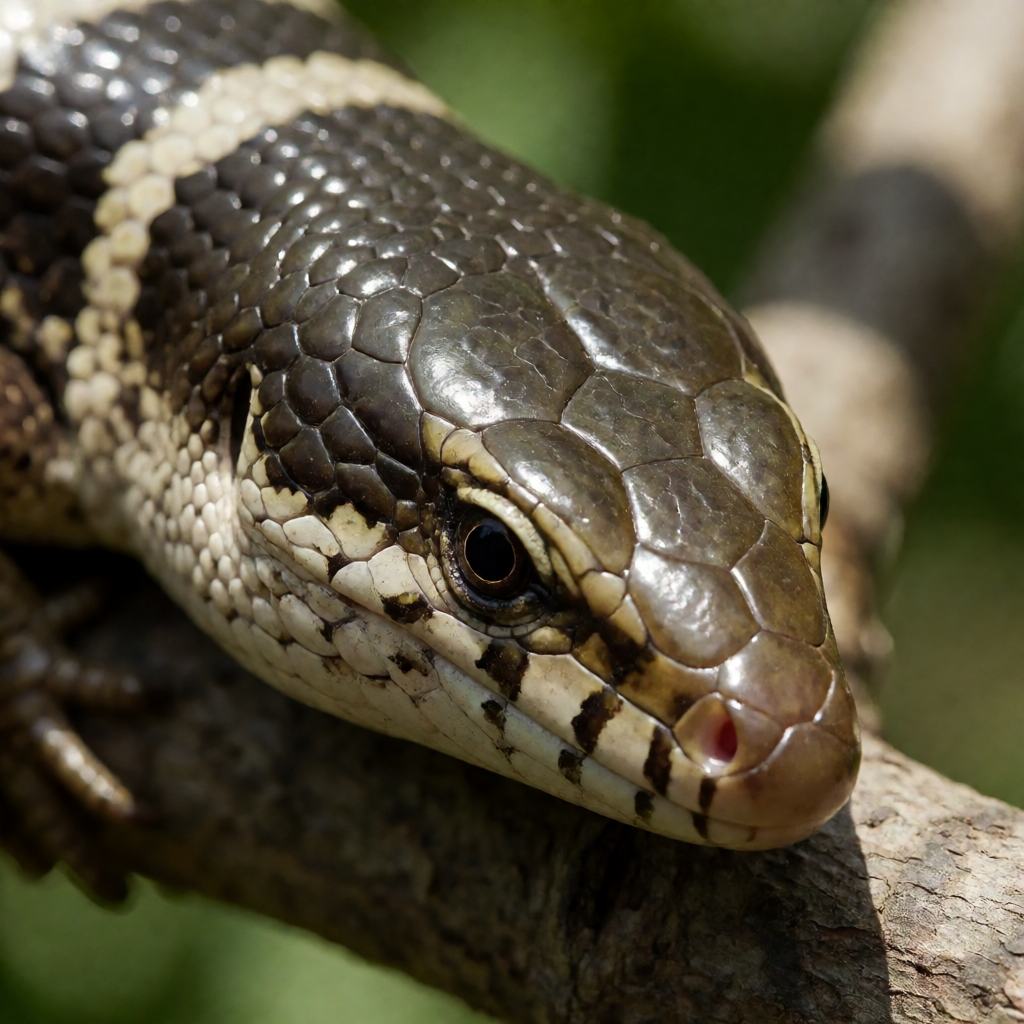
Claws grip bark, and the toes stay short. Head looks broad, and the jaw is built for cropping the tough leaves that other skinks leave alone. Slow metabolism suits a diet of leaves, so the animal moves little and rests for hours at a time. Eyes stay small, and the animal relies on smell in the dark.
Heavy bodies need strong branches, so the animal climbs to the outer crown where the twigs hold. Skin stays dry, and the animal shelters in a hollow through the day.
1
2
3
Heavy body, gripping tail
Where it lives
Lowland and hill rain forest hold the species. Big trees with hollows decide where a pair settles. Range covers the Solomon Islands, from Bougainville to Guadalcanal. Canopy cover keeps the air humid.
The animal loses water through the skin. Epiphytes on branches supply much of the food, since the crown holds more plants than the floor. Range size on each island stays small, and the sea stops any spread between them, so each group is alone. Logging for timber removes the largest trees first, although the law now limits the cut.
Clear cutting leaves open ground, and a skink cannot cross it, since the animal never descends. Each pair needs several trees, and a gap of garden breaks the group into lonely animals.
Island forest with hollows
What it eats
Leaves form the base of the diet. Fruit, flowers and epiphytes fill the rest. Feeding happens at night, when the animal moves to the branch tips. Slow guts handle tough leaves, so the animal eats little at a time.
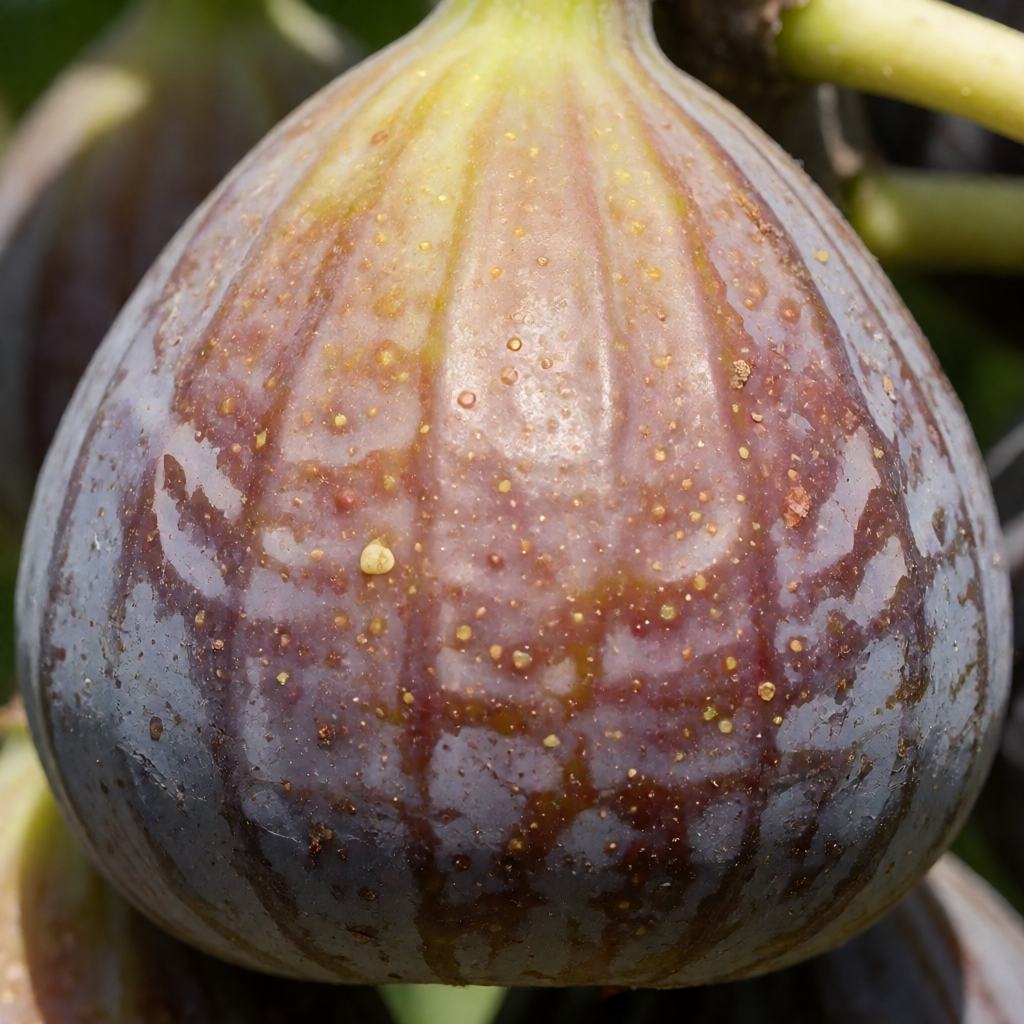
Water comes from leaves and fruit. The animal rarely drinks. Juveniles eat the young of a fig, and they grow fast on the sugar. Captive animals need a mix of leaves.
One kind causes illness. Keepers offer fruit twice a week, although the animal prefers leaves. Feeding stops in a cold spell, since the gut slows with the temperature. Skinks may sample many plants, and the choice keeps the gut healthy.
Leaves above all
The breeding cycle
Pairs stay together for years. Mating happens in the wet season. One young is born after six to eight months. The young arrives fully formed, and it weighs a third of the mother.
Placenta feeds the embryo inside the mother, and that habit is rare among lizards. The mother gives birth on a branch, and the young climbs at once. Parents stay near the young for weeks. Females breed every year at most, and some skip a season.
Few young are lost, since the animal cares for them. Slow birth rates leave the species exposed to any new pressure.
Least Concern, and logged
Conservation
IUCN lists the species as Least Concern. Numbers fall on every island, and the trend keeps dropping. Logging removes the hollow trees that a pair needs. Collectors take animals for the pet trade, although the law now limits export.
CITES lists the species in Appendix II, so trade needs a permit. Cyclones and gardens remove forest on the smaller islands. Guarded areas cover part of the range, and rangers watch the coast. Surveys count animals at night, since the species hides by day.
Community rules now protect trees with hollows. Keeping old forest matters most, because a pair cannot move to a young tree.
Side by side
How It Compares
| Trait | Prehensile-Tailed Skink | Five-Lined Skink |
|---|---|---|
| Length | up to 80 cm, with a gripping tail | about 20 cm, with a blue tail |
| Weight | 400 to 800 g | under 20 g |
| Home | Solomon Islands rain forest | open rock and dry bush in Africa |
| Diet | leaves, fruit and flowers | insects and small lizards |
| Young | one large young a year, with a placenta | a clutch of eggs in a burrow |
| Tail | curls around a branch | breaks off when caught |
Common misreadings
What People Get Wrong
- Many people believe the skink lays eggs, yet it gives birth to a single young.
- Some guides say the animal lives alone, although a pair shares one hollow for years.
- A common claim says the tail drops easily, yet it grips rather than breaks.
Going further
Sources and Further Reading
Quick hits
Five things to remember
- The tail grips like a hand.
- One young is born each year.
- The species grows to 80 cm.
- A placenta feeds the embryo.
- Islanders call it the monkey skink.