 By st20113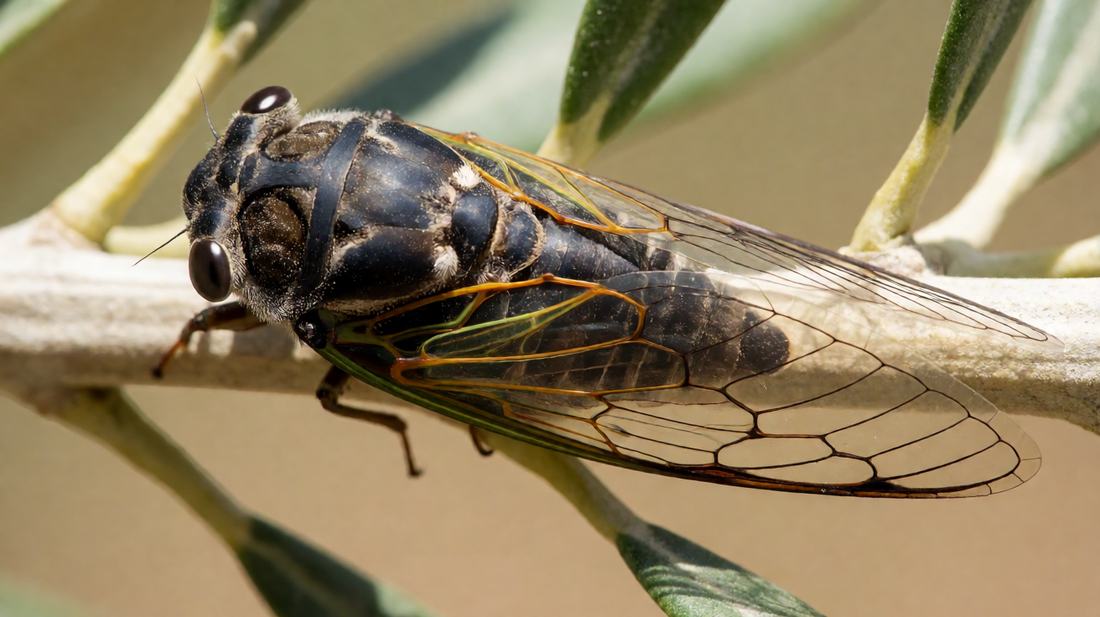
Cicada orni | Ash Cicada
Species Profile · Cicadidae
Ash Cicada
A stout insect of olive groves and pine woods that spends two to four years underground and then sings through the hottest weeks of summer.
A stout singer of warm woodland whose rattle fills the summer air
Body
Wingspan
Eyes
Underground
Eggs
Family
The Ash Cicada
A stout singer of warm woodland
The Ash Cicada is a stout insect of warm woodland. It is 1 of the loudest singers in the insect world. The male calls through the hottest weeks of summer.
Its rattle fills olive groves and pine woods. The insect spends most of its life underground. Only the adult stage lives in the open air.
That stage lasts a few short weeks. The species is very common around the Mediterranean.
Family tree
Hemiptera, Cicadidae
The Ash Cicada sits in the phylum Arthropoda. Its class is the Insecta. Its order is the Hemiptera, the true bugs. Its family is the Cicadidae, the cicadas.
Our insect shares the family with the Periodical Cicada. That insect spends 17 years underground. Our insect spends only 2 to 4 years there. Both belong to the same group of singers.
The family holds about 3,000 species. The Ash Cicada takes its name from the ash tree. It often rests on ash and olive trunks.
25 mm and five eyes
How to tell one
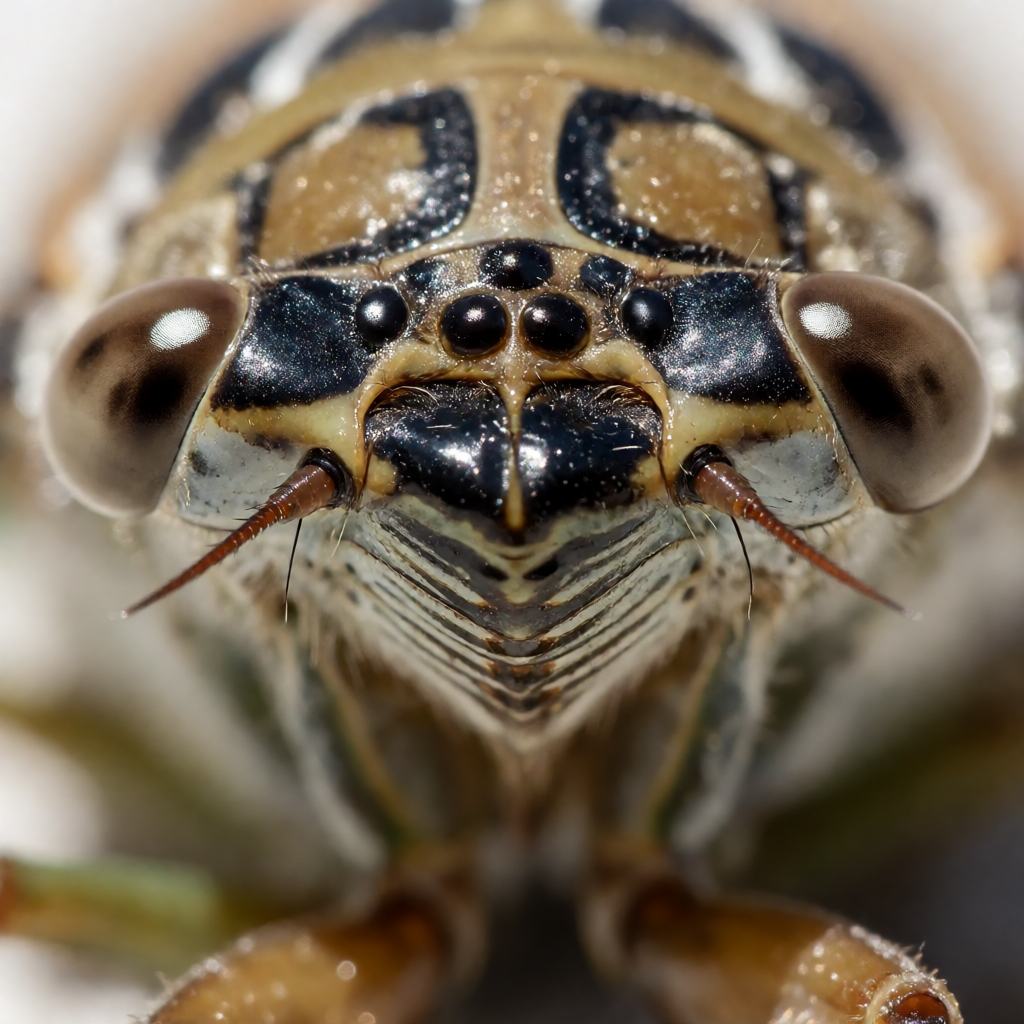
The body measures about 25 mm without the wings. With the wings spread it reaches about 70 mm. The head holds 2 large compound eyes. It also holds 3 small simple eyes on the crown.
So the insect has 5 eyes in total. The wings are clear and full of fine veins. They fold back along the body at rest. The male carries a pair of sound drums under the abdomen.
Those drums are called tymbals. He makes his rattle by bending them. A hollow chamber in the body makes the sound louder.
1
2
3
Olive groves and pine woods
Where it lives
The species needs warm ground and long hot summers. It lives in olive groves, orchards and open pine woods. It also lives along dry scrubland. The nymphs stay in the soil under the trees.
They need roots that stay in place for years. The adults climb the trunks after they emerge. They prefer rough bark for a firm grip. The insect dislikes deep shade and wet ground.
It is common in towns with old trees. A dry summer suits it best.
Sap from roots and twigs
What it eats
The Ash Cicada feeds on plant sap for its whole life. The nymphs suck sap from fine roots underground. The adults suck sap from twigs and small branches. That sap carries very little energy.
So the insect must drink a great deal. It needs many hours of feeding each day. It does not eat leaves or fruit. It does not hunt other animals.
The insect takes in water with the sap. It passes out the surplus as a fine spray.
400 eggs cut into twigs
The breeding cycle
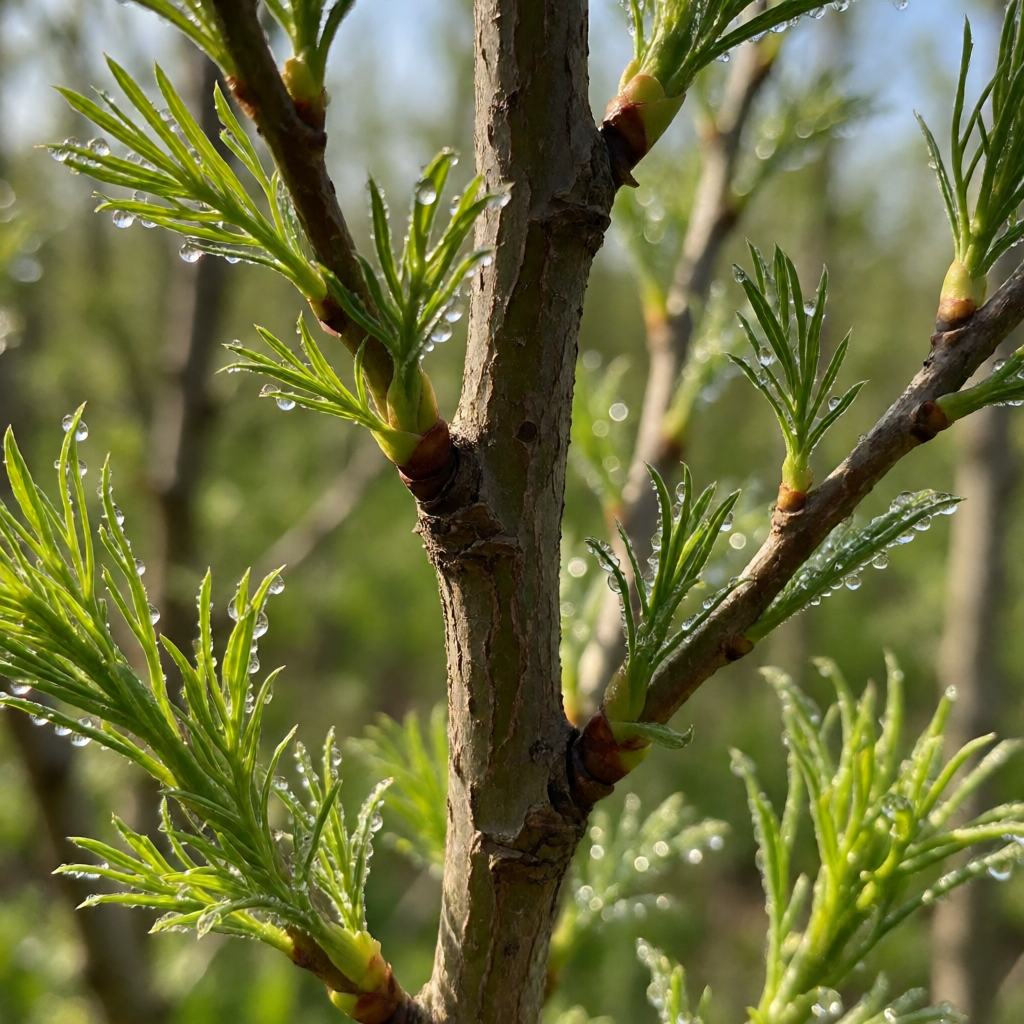
The male sings to draw a female to his branch. The pair mate on the trunk or in the leaves. The female then cuts slits into thin twigs. She lays about 400 eggs inside those slits.
She repeats this on many branches. The adult insects die a few weeks later. The eggs hatch and the young drop to the ground. Each one digs down and finds a root.
The nymph stays in the soil for 2 to 4 years. It moults several times as it grows. Then it climbs a trunk and splits its old skin. The empty skin stays hooked to the bark.
Warm summers suit it well
Conservation
The Ash Cicada is not assessed by the IUCN. It is very common across most of its range. It has no legal protection. The species copes well with warm weather.
Olive groves and old orchards suit it. The loss of old trees is the main risk. Wild fires also destroy the roots it needs. The insect still holds a healthy number.
Its song is a familiar sound of the Mediterranean summer. Many people treat that sound as a sign of heat.
Quick hits
Five things to remember
- Its empty skin is often found hooked on a tree trunk.
- A single male can sing for most of a hot day.
- The young live under the ground for many years.
- Birds and large wasps hunt the adults.
- The song carries a long way through open woodland.