 By st20113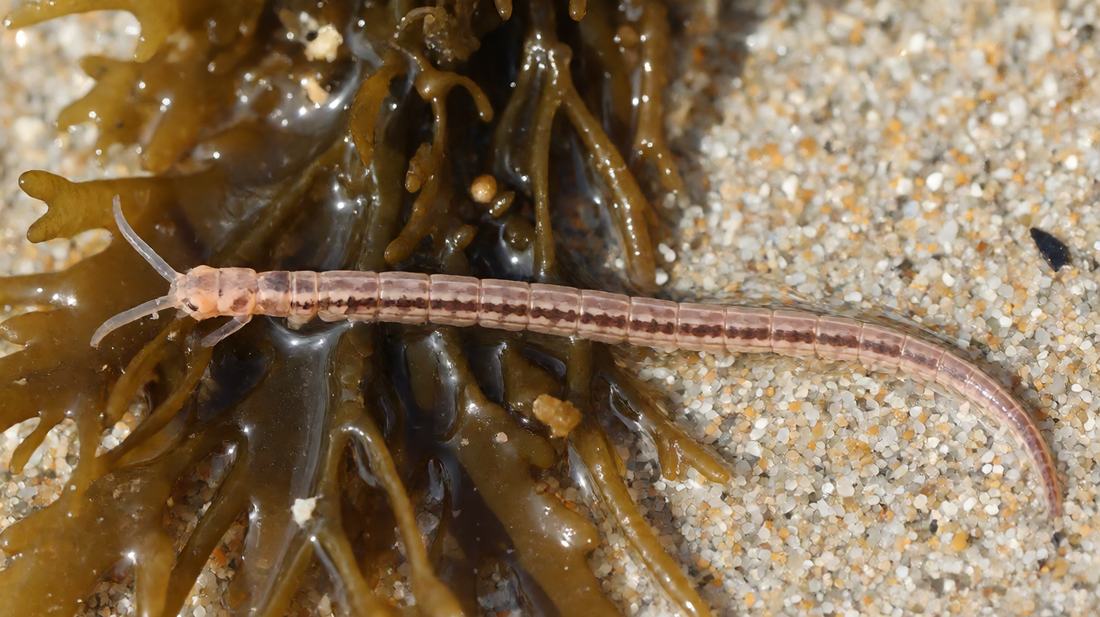
Capitella capitata | Headworm
Species Profile · Capillariidae
Headworm
The long thin worm of the muddy shallow coast — the most numerous animal of the open soft bottom, named for the large swollen head that differs from the rest of the body.
IUCN: Not Evaluated
Range
Length
Body
Ground
Feeding
The worm of the muddy shore
The most numerous of the bottom
The headworm is a common, long, thin, segmented worm. It lives in the muddy, shallow water of the north-east Atlantic. It is one of the most numerous of the animals of the open, soft sea bed. It is the one that gives the muddy shore its character. It belongs to the class Polychaeta. That is the bristle worms. Within this class it sits in the family Capillariidae.
That family carries the headworms and a few close relatives. The animal is small. It grows to a length of about 10 cm. Its most obvious feature is the head. The head is large and swollen. It is quite different from the rest of the thin, tapered body. That head is what gives the family its name.
The species lives in the muddy, sandy ground of the shallow coast. It will dig into the soft mud. It will sink lower when the water is stirred. The headworm is one of the most common of the small animals of the open coast. It is found along the whole of the north-east Atlantic. It stretches from the shallow water off the British Isles down to the coasts of the south.
Family tree
Capillariidae, the headworms
The headworm is in the class Polychaeta. That is the bristle worms. It sits in the family Capillariidae. The French zoologist Savigny described it in 1821. He gave it the name Capitella capitata. It has stayed in the family ever since.
The class Polychaeta is one of the largest of the classes of the sea. It carries the bristle worms of the open bottom. The whole class is defined by the two rows of the bristly paddles that run down the body of the worm. The species sits among the small, head-bearing, muddy-dwelling worms. Its close relatives are the other members of the family that live in the soft ground of the world. Its close relatives in the other seas are the other headworms.
They live in the shaly and the muddy ground of the warm and the cold water of the world. The headworm shares the class with the common earthworm. That is a very different class and a very different kind of worm. The two live in the same place. They meet in the soft ground that the animals dig through. The earthworm gives the land its character in the way that the headworm gives the sea bed its character.
The big swollen head
How to tell one
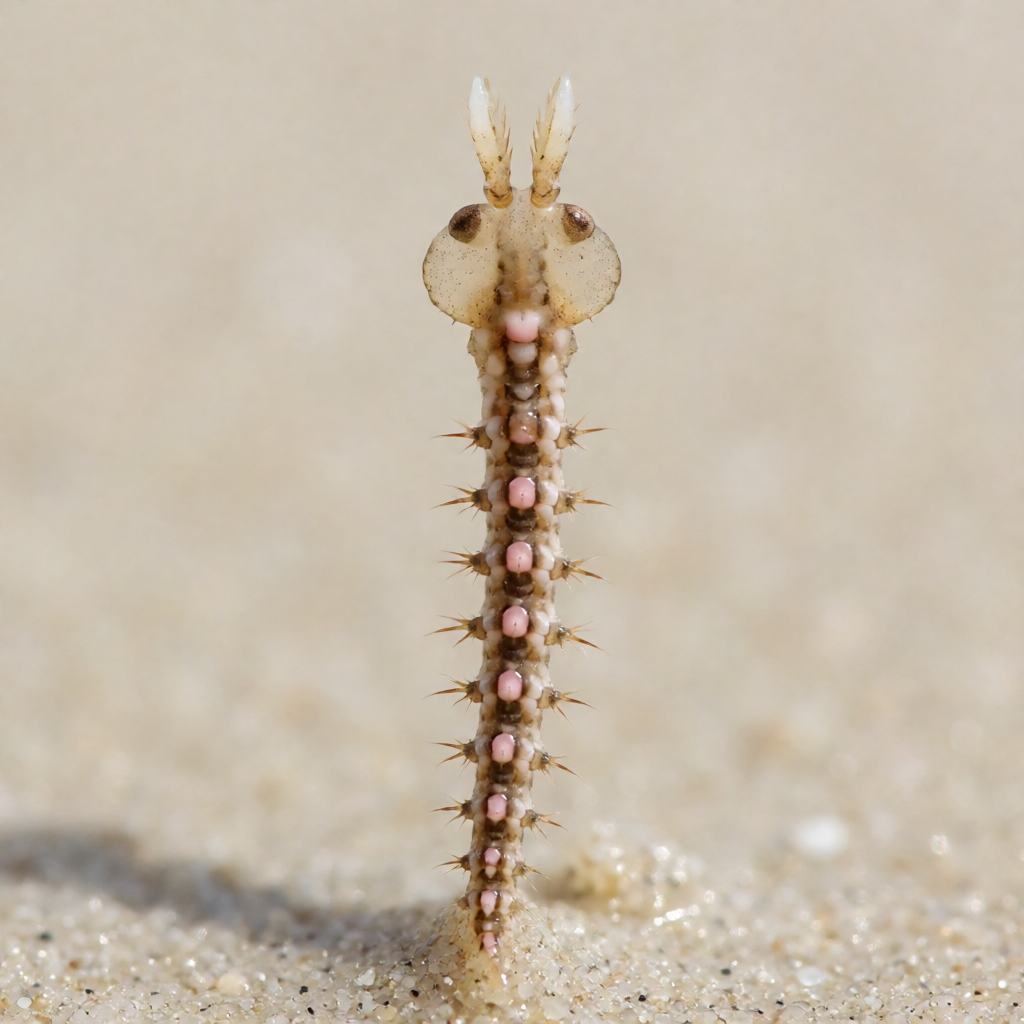
The body of the headworm is a clean pinkish-brown. The head carries a pair of the long, pale feelers. The rest of the body is thin and tapered. It is covered in the two rows of the small, soft, bristly paddles.
The animal will dig into the soft mud. It drops lower at once when the water is stirred. The species is one of the small, head-bearing worms. It is the mark that the muddy shore takes on where they are many.
The head is the feature that the family takes its name from. It is the tool the animal uses to feel its way through the soft ground.
1
2
3
The soft open mud
Where it lives
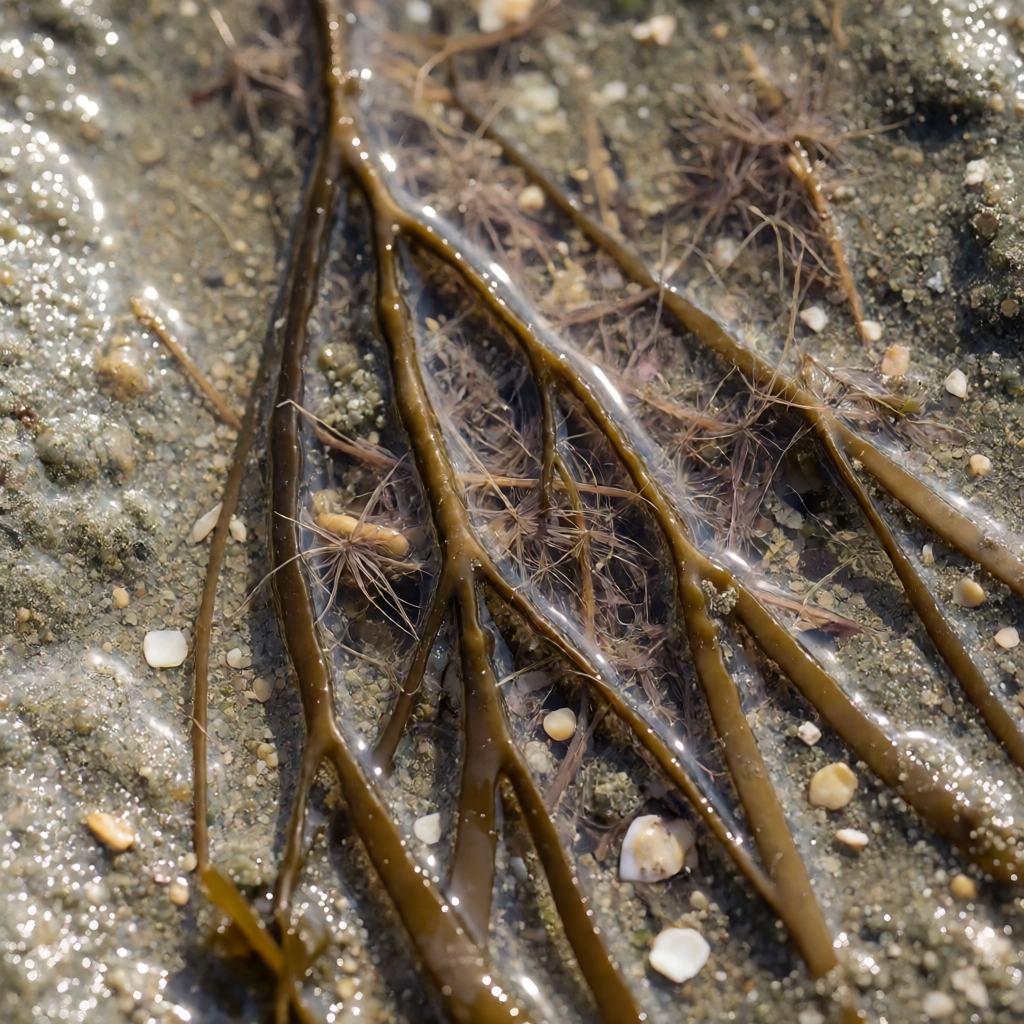
The headworm lives in the muddy, sandy ground of the shallow sea. It is a creature of the soft, open bottom. That stretches from the low-water mark down to the deeper water of the shelf. It will dig into the soft mud.
It will sink lower in a moment when the water is disturbed. The species is one of the most common of the small animals of the open coast. It stretches along the whole of the north-east Atlantic. It runs from the water off the British Isles down to the coasts of the south.
The animal will live in the fine mud that the waves have spread out in the open. It will not take to the heavy, stony, rocky ground that the other worms will. The headworm is one of the marks of the open, soft, muddy flat.
A scavenger of the fine bits
What it eats
The headworm is a scavenger. It takes the fine bits of the dead matter. It also takes the soft plants that drift over the open bottom. It will sit in the soft mud.
It will take the food that comes to it with the current. The food is the small, drifting bits of the dead animal and the plant of the water. The whole diet is one that is taken in the open, muddy ground where the fine bits of the food are most common. The animal is a slow, patient feeder.
It will take the food that is in the water as it comes. The species is one of the small animals that keeps the open bottom clean. It is one of the animals that the small fish and the crabs come to feed on.
Eggs freed to the water
The breeding cycle
The headworm breeds in the warm months of the spring and the summer. The male and the female release the sperm and the eggs into the open water. The two meet in the water. The egg will hatch into the small, swimming larva.
The larva will drift for a short time before it settles down on the open mud. The species is one that releases the eggs into the water. It is not one that carries the young. A single animal will release a small number of the eggs.
The larvae that will settle on the open mud are the ones that will grow into the next generation. The animal is one of the slow breeders. It will not live for more than a year or two in the open ground.
No threat, the mud is the risk
Conservation
The headworm is not in danger. It is one of the commonest of the small animals of the shallow sea. It does not appear on the list of the threatened worms. Its range is still as wide as it has been.
The one real threat is the mud that is washed down from the land. The digging of the open mud for the gravel does the same harm. The two will cover the fine, open ground that the animal lives on. The species is one that the crabs and the small fish come to feed on.
It is one of the small animals that gives the open bottom its character. The headworm is a useful marker of the open, soft, muddy flat. It will not come back to the ground that has been covered by the heavy mud.
Quick hits
Five things to remember
- The headworm grows to a length of about 10 cm. Its most obvious feature is the large, swollen head that differs from the rest of the thin body.
- The animal buries itself in the soft mud. It will drop lower at once when the water is stirred.
- The species helps keep the open bottom clean. Small fish and crabs both come to feed on it.
- The headworm marks the open, soft, muddy flat well. It will not return to ground that has been covered by the heavy mud.
- The one real threat is the mud that is washed down from the land, and the digging of the open mud for the gravel.