 By st20113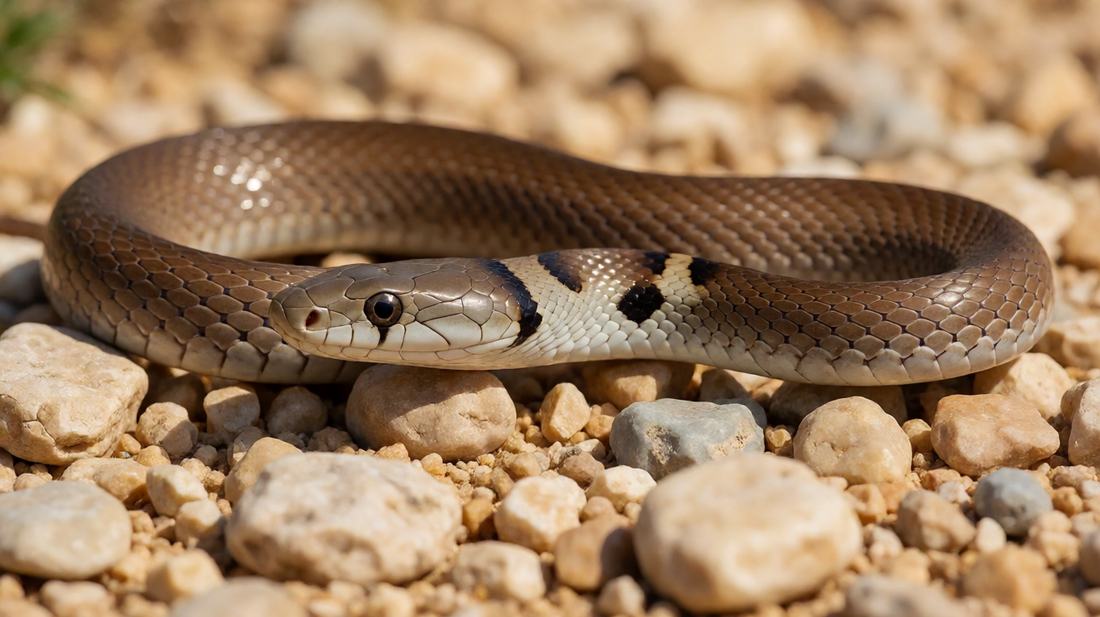
Hemorrhois hippocampus | Horseshoe Whip Snake
Species Profile · Colubridae
Horseshoe Whip Snake
The sleek non-venomous snake of the dry Mediterranean sun — a fast hunter of lizards and rodents that keeps the small mammals down in the dry field.
IUCN: Least Concern
Range
Length
Weight
Neck
Clutch
The snake of the dry sun
Fast, harmless, shyer than it looks
The horseshoe whip snake is a sleek, non-venomous snake. It lives in the dry, open country of the Mediterranean. It is one of the commonest of the large snakes of southern Europe. It runs from the coasts of the south of France and the Iberian Peninsula. It goes down into the warm fields of Greece and the north of Africa. It is a snake of the sun. It is most often seen in the middle of the day.
It coils its body out on a warm stone. It also uses a bare patch of the ground. It will use the log left in the field. The animal is a strong, fast, active hunter. It will give chase to a lizard or a small mammal across the open ground. It is harmless to a person. Its bite is no worse than the bite of a large rat.
But the snake is shyer than most of its kind. It will strike at a hand that comes too near. The species was once common across the whole of the lowland Europe. It is still one of the commonest snakes of the south. But it has gone down in the north of its range. The fields there have been opened up. The hedges have been cut away.
Family tree
Colubridae, the largest snake family
The horseshoe whip snake is in the family Colubridae. That is the largest family of the snakes of the world. It sits in the genus Hemorrhois. The French zoologist Duméril described it in 1853. The genus name is Greek for ‘blood-flowing’. It points to the old belief that the snake bled when it was killed. The species name is Greek for ‘hippocampus’, the seahorse. It points to the pattern on the neck.
The family Colubridae carries the great majority of the non-venomous snakes of the world. It is one of the most diverse of the reptiles. It is defined by the two rows of teeth in the upper jaw. It is also defined by the way the animals move the prey down the throat. The species sits among the large, fast, day-active snakes of the open ground. Its close relatives are the whip snakes of the other dry country of the Mediterranean. Its close relatives in the other seas are the grass snake and the ladder snake. The whole group is one that is spread across the warm country of the Old World.
The horseshoe whip snake shares the family with the caspian whip snake. That is a very close relative of the same family and the same habit. The two are told apart by the pattern on the neck. They are also told apart by the colour of the belly. The caspian whip snake is a paler and duller animal. It lives in the same dry country of the south.
Horseshoe band on the neck
How to tell one
The horseshoe whip snake is a long, slender, heavy-bodied snake. It grows to a length of about 120 to 150 cm. The females are the larger of the two. Its body is a clean olive-brown or a grey-brown. Its scales are smooth and glossy. Its belly is a clean white or a pale yellow.
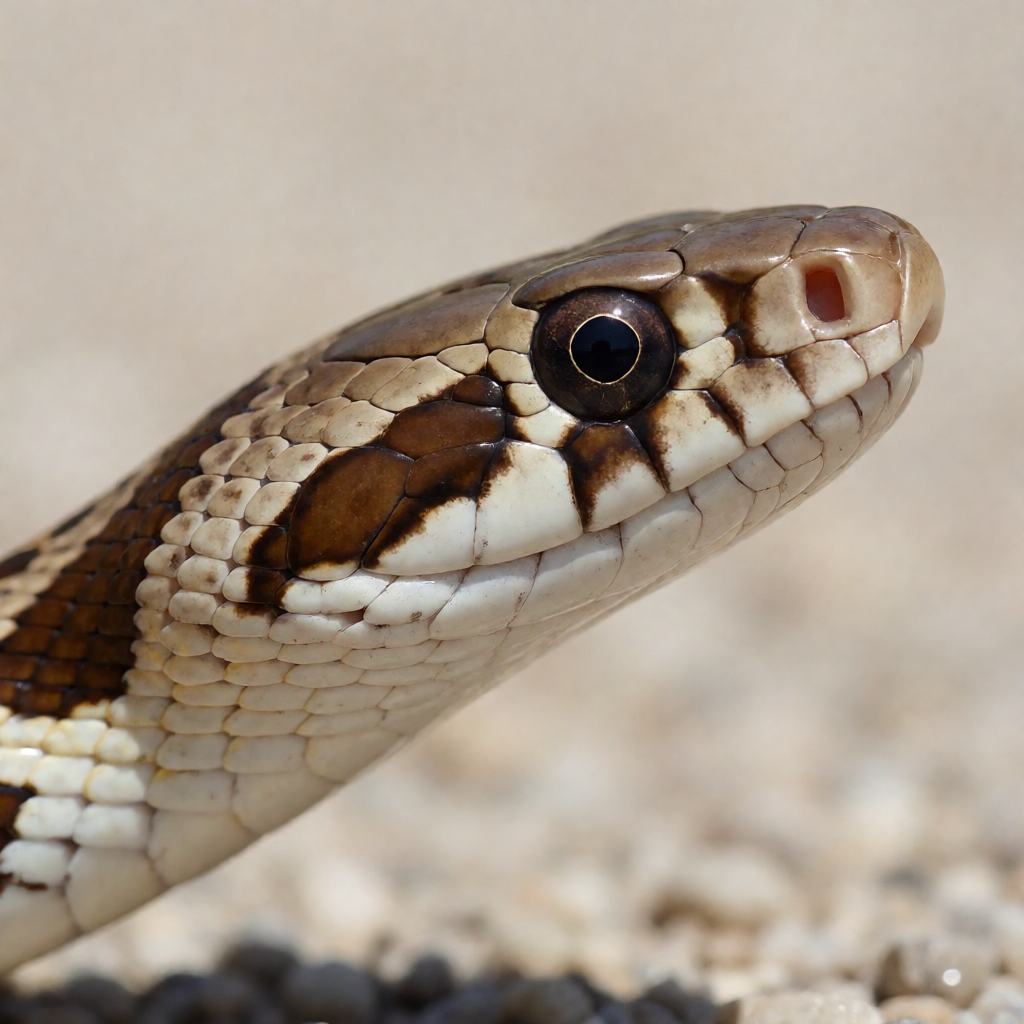
The mark that gives the species its name is a broad, dark band on the grey neck. It sits behind the head and has the shape of a horseshoe. Its head is narrow and small. Its eye is large and dark with a round pupil. Its body is one of the heaviest of the snakes of its size. A full-grown animal can weigh more than a kilogram.
The snake is a strong swimmer. It will cross the stream to come to the warm bank on the far side. Its tail is long and slender. It is used as a whip when the snake is annoyed.
1
2
3
Stony slopes and open fields
Where it lives
The horseshoe whip snake lives in the dry, open country of the Mediterranean. It is a creature of the warm, sunny, stony ground. It is most at home in the open fields. It is also at home on the dry slopes, the rocky hillside and the stony ditch. It will take to the hedge, the wall and the log that give it the warmth it needs.
The snake is a strong climber. It will come up the trunk of the tree to take the birds’ eggs left in the nest. The species is one of the commonest of the large snakes of the south of Europe. It is found along the coast and up into the mountains. It will live at any height where the sun reaches the stone.
The snake is a creature of the warm months. It comes out in the spring to take the young lizards and the small mammals that are just growing up. It goes back to the shelter in the cold of the winter.
Lizards and the small rodents
What it eats
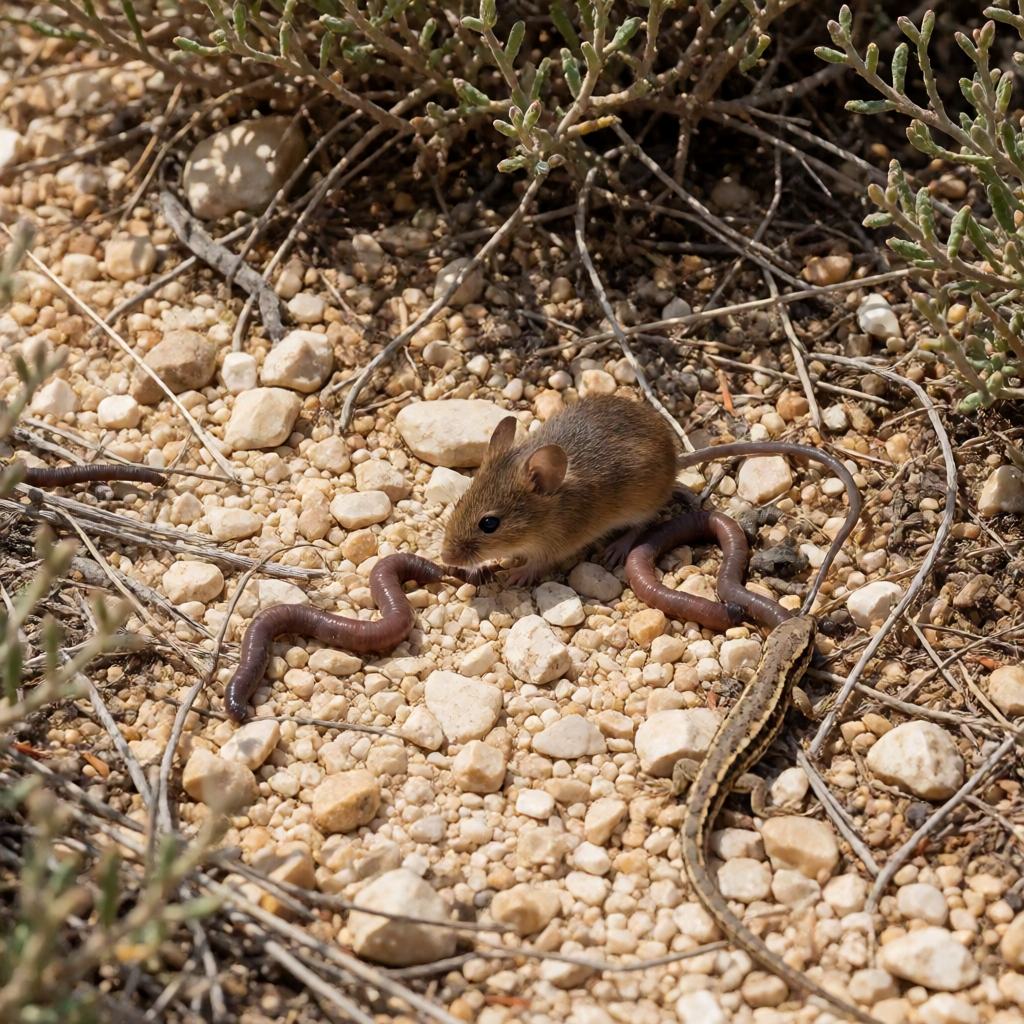
The horseshoe whip snake is a hunter of the small mammals and the lizards of the open ground. It is one of the few snakes that will take the rodent as its main food. A full-grown animal takes the small field mouse. It also takes the young rat that it finds in the stony ground. It takes the lizards it meets in the sun.
The snake is a strong, fast hunter. It gives chase to the lizard across the open ground. It holds the prey down with the weight of the body. It then swallows it whole. The food is taken in the warm months.
The snake takes a few large meals a day in the summer. The animal is a useful hunter of the small rodents. It is one of the animals that keeps the numbers of the mice and the lizards down in the dry field.
Eggs in the warm leaf litter
The breeding cycle
The horseshoe whip snake breeds in the warm months of the spring. The female lays her eggs in the warm, dry place that she finds in the ground. The eggs are white and round. They are covered in the warm leaf litter that the snake digs out of the soil. The young hatch in the late summer.
They are small and slender. They look like the small versions of the adults. The species is one of the snakes that lays eggs. It is not one of the few that carries the young. A single female can lay a clutch of 6 to 12 eggs.
The young feed on the small lizards that they can catch. The snake is one of the slow breeders. It will not reach the size of the adult for a few years.
Least Concern, hedge-lost
Conservation
The horseshoe whip snake is not in danger. It is one of the commonest of the large snakes of the south of Europe. It does not appear on the Red List. Its range is still as wide as it has been.
The one real threat is the loss of the dry, stony ground that it lives on. The cutting away of the hedges and the opening up of the fields do the same harm. A field that is open and stony holds more of the snakes. That is more than the field that is ploughed and sown.
The species is a useful marker of the health of the dry country. It will not come back to the field that has been opened up. The snake is one of the animals that the farmer will keep out of the orchard. It is one of the hunters that keeps the numbers of the small rodents down in the dry field.
Quick hits
Five things to remember
- The mark that gives the species its name is a broad, dark, horseshoe-shaped band on the grey neck. It sits behind the head.
- A full-grown animal is one of the heaviest of the snakes of its size. It can weigh more than a kilogram.
- The snake is a strong climber. It will scale the trunk of the tree to reach the birds’ eggs that sit in the nest.
- The species hunts the small rodents well. It is one of the animals that holds the numbers of the mice and the lizards down in the dry field.
- The snake is a slow breeder. It needs a few years before it reaches the size of the adult.