 By st20113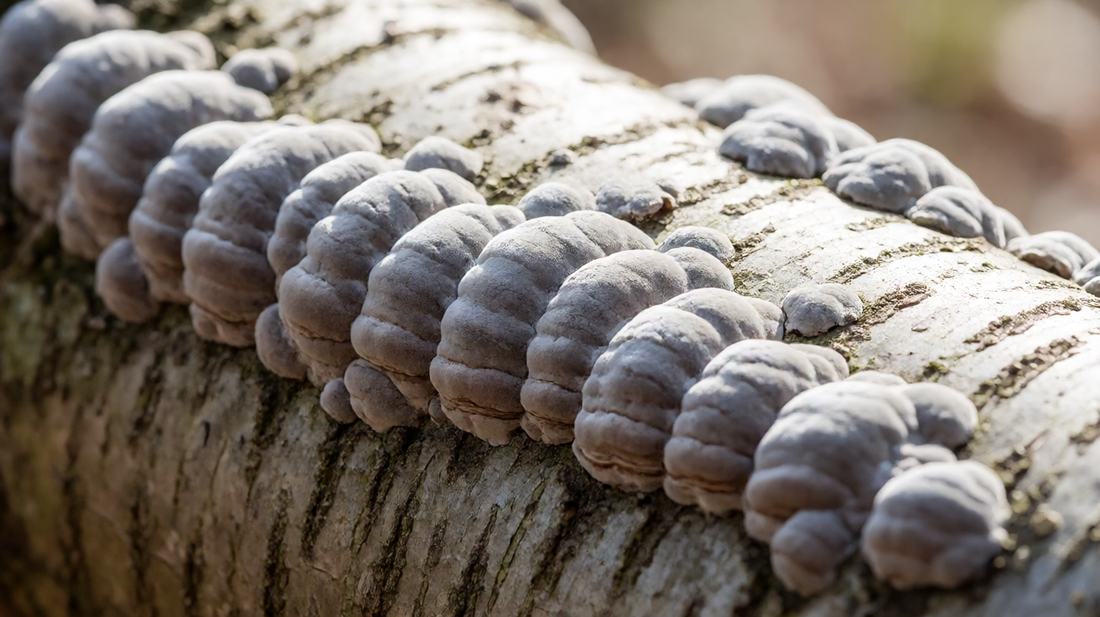
Bjerkandera adusta | Smoky Bracket
Species Profile · Meruliaceae
Smoky Bracket
A tough shelf fungus of dead hardwood whose grey pore surface blackens the moment you touch it.
No IUCN rating
Shelf
Thickness
Pores
Underside
Hosts
Rating
The Smoky Bracket
A shelf that marks at a touch
This fungus grows on dead wood. It forms flat shelves. Shelves stack in rows. Each one is thin and tough, though it lasts for months.
Its top is grey to pale brown. Its underside is darker. However, that dark surface gives the species its name. Because the pore surface is grey and smoky, the shelves look as if they have been dusted with soot from a fire.
Touching the pores leaves a black mark. This is the smoky bracket.
Family tree
Meruliaceae, wood-rotting fungi
This fungus belongs to the family Meruliaceae. Willdenow described it in 1787. He gave it a different name. Karsten moved it in 1879.
That genus name honours a botanist, though few modern guides use it. Birch Polypore shares the same order. So do thousands of other wood rotters. The group has been split and rebuilt many times, since pore shape alone cannot settle the family tree, and genetic work keeps shifting the branches.
Most of its relatives cause the same white rot. Few of them, however, blacken on contact.
10 cm of thin grey shelf
How to tell one
Shelf width runs 2 cm to 10 cm. Thickness stays under 1 cm. A single shelf is flat and tough. Several fuse into a broad crust.
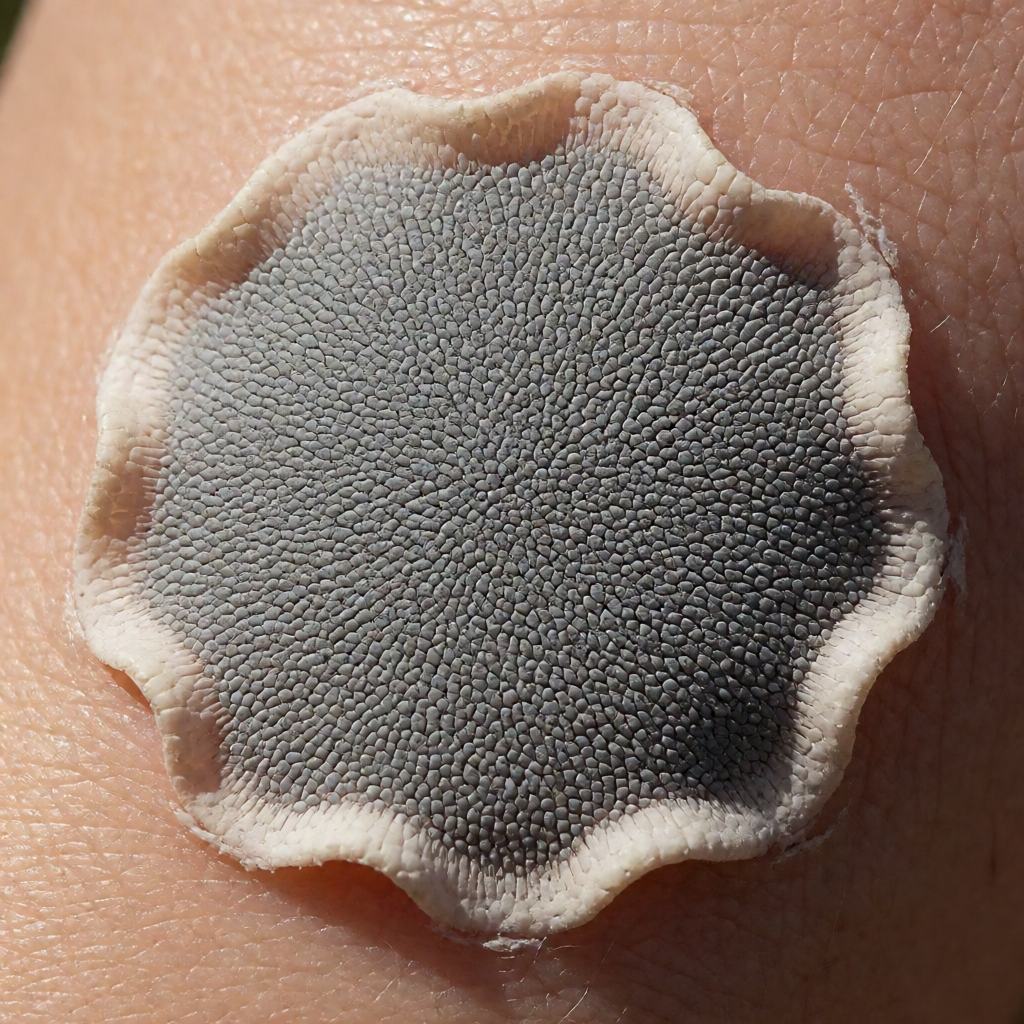
The upper face feels velvety, though the rim is smooth. It shows faint zones of grey and cream. Pores are tiny and round, while the tubes behind them run deep. They number 3 to 4 per mm.
The pore surface starts pale, then blackens with age or a scratch. Because the flesh is thin and dry, the shelf stays hard even after years of rain and frost. Its smell is faint and fungal.
1
2
3
Dead hardwood and old orchards
Where it lives
Dead hardwood is the main host. Beech and birch top the list. Oak, hazel, and willow also work. Stumps and fallen logs hold most, but it also climbs trunks.
Sometimes it grows on living trees. Fruit orchards often carry it. It appears in woods and parks alike, yet it rarely grows on conifers. This species is common across Europe and North America.
Asia and parts of the south also have it. Although it prefers cool woodland, it tolerates long dry spells and returns whenever damp wood becomes available again.
Dead timber
What it eats
It feeds on wood. Enzymes break down lignin first. Cellulose follows. That process leaves the wood pale and soft.
So the rot is called white rot. Unlike brown rot fungi, it does not leave a dark crumbly residue. It also takes sugars from the wood. Water and minerals come from the log.
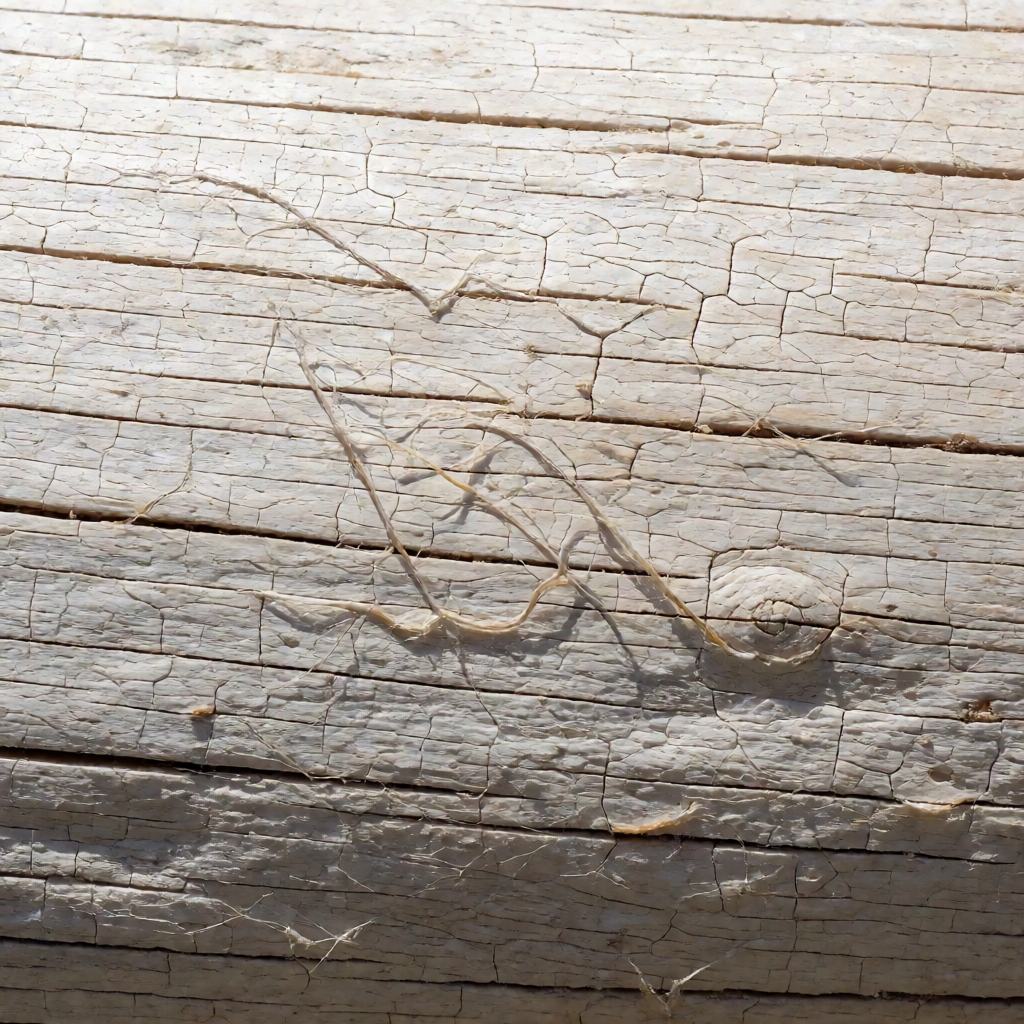
Its enzymes spill into the wood around it, since they work outside the fungal threads and drift through the damp timber. Those same enzymes, however, interest chemists.
Spores from the pores
The breeding cycle
Spores form on the pore surface. Each spore is tiny and smooth. Millions are released in a season. Wind carries them to new wood, though most fail.
A spore lands on a wound or a stump. It sends out threads. Two threads must meet to breed, while a single one can only wait. Then the pair builds a shelf.
Fruiting bodies appear in late summer. Fruiting bodies can return for several years, since the threads inside the log keep growing quietly through the timber all year round.
No global rating
Conservation
No global IUCN entry covers this fungus. Several regional lists call it Least Concern. Some regional lists leave it unlisted. Numbers, however, appear stable.
Dead wood is abundant. Forestry removes stumps, though. Tidy woodland loses some habitat. Old orchards are vanishing.
Air pollution once hit it hard in Europe. Because the fungus also lives in parks and hedgerows, it faces no clear threat at present anywhere in its range.
Side by side
How It Compares
| Trait | Smoky Bracket | Birch Polypore |
|---|---|---|
| Shelf width | 2 cm to 10 cm | up to 20 cm |
| Thickness | under 1 cm | 2 cm to 5 cm |
| Underside | grey, blackens when scratched | white, stays pale |
| Hosts | beech, birch, oak, fruit trees | mainly birch |
| Rot type | white rot of hardwood | white rot of birch |
| Edible | no, far too tough | no, very bitter |
Common misreadings
What People Get Wrong
- This fungus is edible. The flesh is far too tough to chew.
- A black mark means the fungus is rotten. The colour change is a chemical reaction.
- This fungus grows only on dead wood. Living trunks and orchard trees also suffer.
Going further
Sources and Further Reading
- MycoBank, fungal nomenclature database
- Wikipedia, Bjerkandera adusta
- Ryvarden, L. and Gilbertson, R. L. 1993. European Polypores. Fungiflora.
- Willdenow, C. L. 1787. Florae Berolinensis Prodromus.
Quick hits
Five things to remember
- The pore surface blackens when scratched.
- Shelves can fuse into a crust 30 cm wide.
- Its enzymes break down industrial dyes.
- Mushroom farms treat it as a weed.
- Spores can irritate the lungs.