 By st20113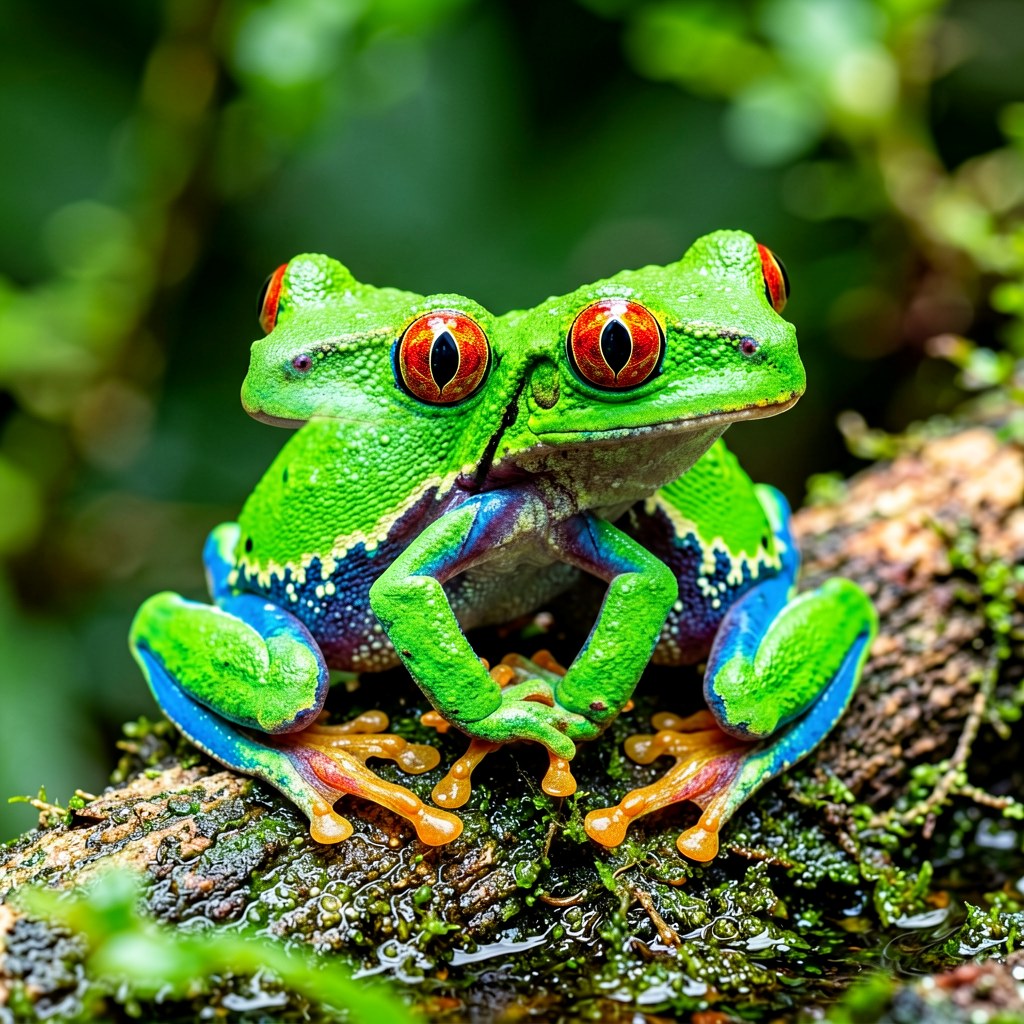
Atelopus zaparo | Zaparo Harlequin Frog
Introduction
The Zaparo harlequin frog (Atelopus zaparo) is a small, strikingly patterned amphibian in the family Bufonidae, endemic to the humid lowland and foothill forests of the upper Amazon basin in eastern Ecuador and adjacent Peru. Like its many harlequin-frog relatives in the genus Atelopus, it is known for bold coloration—often black with vivid yellow, orange, or green markings—that signals its toxicity to predators. Once considered relatively localized, the species has become a symbol of the broader crisis facing Neotropical amphibians, as harlequin frogs as a group have suffered catastrophic declines linked to the chytrid fungus Batrachochytrium dendrobatidis. A. zaparo inhabits clear, fast-flowing forest streams where it breeds, and adults are largely terrestrial, foraging in the leaf litter of pristine rainforest. Although precise population trends are poorly known because of the species’ remote range and cryptic habits, it is treated as highly threatened, and its survival is tied to the protection of intact watershed forest.
Taxonomy
Atelopus zaparo was described by the herpetologists Stefano Trefaut Rodrigues and John D. Lynch in 1985, who named it for the Zaparo (or Záparo) Indigenous people of the Ecuadorian Amazon, recognizing the cultural landscape of its discovery. The genus Atelopus, established by André Marie Constant Duméril and Gabriel Bibron in 1841, is a diverse group of about 100 species of harlequin frogs concentrated in the Andes and adjacent lowlands of South and Central America. The species belongs to family Bufonidae, the true toads, though unlike typical toads its members are slender, often brightly colored, and largely stream-associated. Within Atelopus, A. zaparo is grouped with other small, lowland Amazonian forms, and molecular work places it among the species radiating in the western Amazonian foothills. A useful comparative neighbor is the painted frog (Discoglossus pictus), described at https://www.gloencyc.com/discoglossus-pictus-painted-frog/, which, like A. zaparo, depends on clean aquatic habitats for breeding, though it is a Mediterranean discoglossid rather than an Amazonian bufonid. Ongoing phylogenetic studies continue to refine relationships among the many Atelopus species of conservation concern.
Physical Characteristics
The Zaparo harlequin frog is a small, slender-bodied frog, with adults typically measuring around 2.5 to 4 centimeters in snout-to-vent length depending on sex, females generally larger than males. Its most conspicuous feature is its coloration: a glossy black or dark brown ground color overlaid with bright yellow, orange, or olive-green blotches and stripes, a pattern that varies among individuals and populations and serves as a warning to predators. The skin is smooth to slightly granular, and the body is slender with relatively long limbs and expanded toe tips that aid gripping on wet rocks and vegetation. Males develop nuptial pads on the fingers during the breeding season to clasp females. Like other Atelopus, the species is thought to sequester alkaloid toxins in its skin from its diet of arthropods, contributing to its unpalatability; this chemical defense underlies the aposematic coloration. The eyes are moderately large with horizontal or slightly rounded pupils suited to diurnal activity. Overall body form is more frog-like and agile than the squat shape of many true toads, reflecting its active, often riparian lifestyle along forest streams rather than a purely terrestrial burrowing existence.
Habitat
Atelopus zaparo occupies the floor and margins of intact, humid tropical forest in the upper Amazon, primarily in eastern Ecuador with extensions into neighboring Peru, at low to moderate elevations generally below about 1,000 meters. It is strongly associated with clear, cool, well-oxygenated streams and small rivers, where adults rest on rocks and vegetation at the water’s edge and where breeding takes place. The surrounding terra firme and varzea forest provides the moist leaf litter and microclimate the frogs need when foraging away from water. Because the species depends on pristine, unpolluted stream systems, it is highly sensitive to deforestation, gold-mining sedimentation, agricultural runoff, and the fragmentation of forest canopy that alters humidity and temperature at the ground layer. Its remote range has limited detailed study, but harlequin frogs generally require continuous forest cover and clean water; even modest disturbance can eliminate local populations. The species’ restricted and patchy distribution makes each watershed population effectively isolated, increasing vulnerability to stochastic events and disease. Protecting entire catchment forests, rather than isolated fragments, is therefore essential to its persistence.
Diet
Like most harlequin frogs, A. zaparo is an insectivore and generalist arthropod predator, feeding on the small invertebrates of the forest floor and stream margin. Its diet includes ants, beetles, mites, flies, springtails, and other tiny arthropods gleaned from leaf litter, low vegetation, and the surfaces of rocks beside streams. The frog typically forages by day, using its quick tongue to capture prey, and its active hunting helps control invertebrate populations in the forest understory. Notably, many Atelopus species accumulate skin alkaloids derived from their prey—particularly certain ants and beetles—and it is likely that A. zaparo obtains at least part of its chemical defenses through diet, as is documented in close relatives. This trophic link between what the frog eats and how toxic it becomes is a classic feature of aposematic amphibians.
Reproduction
Reproduction in Atelopus zaparo follows the stream-breeding pattern typical of harlequin frogs. During the breeding period, which is tied to rainfall and stream conditions, males aggregate along suitable stretches of clear water and call to attract females, often positioning themselves on rocks or in shallow flow. Amplexus is axillary, with the male clasping the female behind the forelimbs, and the female lays eggs in the flowing water, where they are fertilized externally and attach to submerged stones or vegetation. The eggs hatch into aquatic tadpoles that cling to rocks in the current with specialized oral suckers, grazing on algae and biofilms in oxygen-rich water until they metamorphose into tiny froglets. This dependency on fast, clean streams makes the larval stage especially vulnerable to sedimentation, pollution, and altered flow. Unlike some frogs that produce large terrestrial egg masses, harlequin frogs generally have comparatively modest clutches and rely on high-quality aquatic habitat for larval survival. Given the species’ presumed long larval period and the fragility of its nursery streams, reproductive success is closely coupled to watershed health, and any degradation of breeding sites can sharply reduce recruitment.
Conservation
The Zaparo harlequin frog is regarded by specialists as highly threatened, reflecting the sweeping collapse of harlequin frogs across the Neotropics. The principal driver of decline is the chytrid fungus Batrachochytrium dendrobatidis, which has wiped out numerous Atelopus populations; although A. zaparo has been less frequently surveyed than some relatives, it is presumed highly susceptible. Habitat loss from logging, cattle ranching, oil and gas development, road building, and artisanal gold mining further threatens the intact forest and clean streams it requires, with mining introducing mercury and sediment that degrade aquatic nurseries. Climate change may also interact with disease by shifting temperature and moisture regimes in ways that favor the fungus. Conservation relies on protecting large tracts of watershed forest, monitoring populations for chytrid outbreaks, and maintaining corridors between patches. Above all, the species’ survival depends on preserving the remote Amazonian forests that remain its last stronghold.
Fun Facts
- The Zaparo harlequin frog is named for the Indigenous Zaparo people of the Ecuadorian Amazon where it was discovered.
- Its bold black-and-yellow pattern is a warning, advertising skin toxins to would-be predators.
- Like other harlequin frogs, it breeds in fast, clear mountain and foothill streams rather than still ponds.
- The genus Atelopus has lost a large fraction of its species to the chytrid fungus, making A. zaparo part of a global amphibian crisis.
- Its tadpoles cling to rocks in rushing water using specialized mouth suckers, an adaptation to life in strong currents.