 By st20113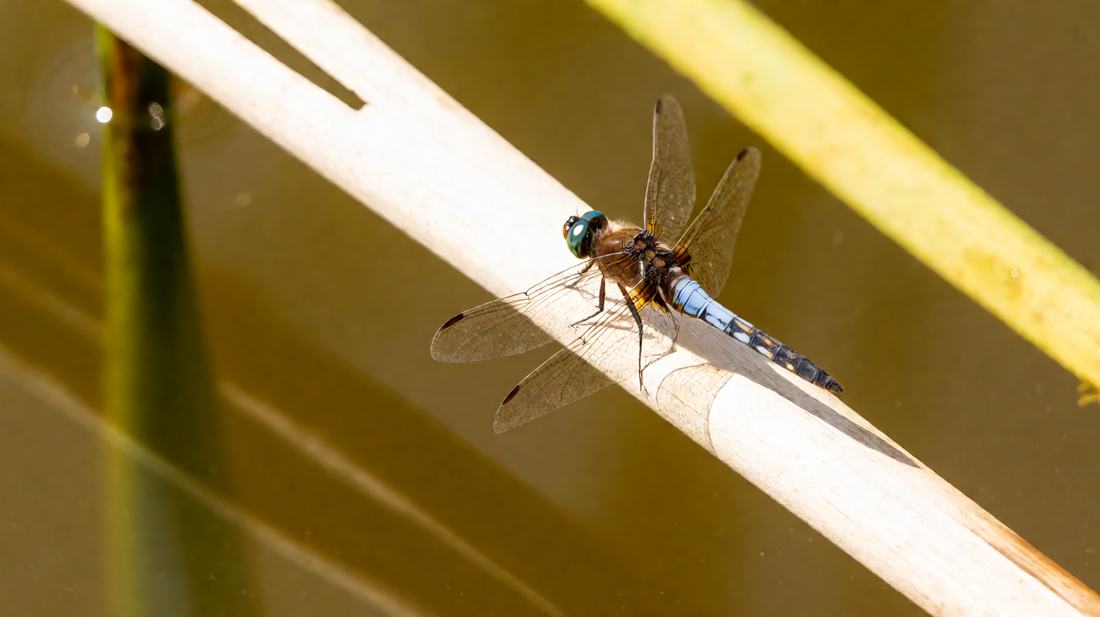
Anax parthenope | Lesser Emperor
Species Profile · Aeshnidae
Lesser Emperor
A fast hawker dragonfly of warm ponds whose males show a bright blue saddle at the top of the abdomen.
Least Concern (2015) 2015 assessment
Abdomen
Wingspan
Male
Flight
Range
Rating
The Lesser Emperor
A blue saddle over the pond
This dragonfly patrols ponds and canals. A male carries a blue saddle near the tail base. Its body stays brown elsewhere.
Eyes glow blue green. Females wear dull yellow brown instead. Wings stretch 40 mm to 47 mm.
Because males defend a patch of water, fights break out all summer. Adults fly from May to September. Though the insect is smaller than the emperor dragonfly, it holds a territory just as fiercely and often wins against larger rivals.
Family tree
Aeshnidae, the hawkers
This insect belongs to the dragonfly family, Aeshnidae. Its genus name is Greek for lord. De Selys described the species in 1839. A Greek siren gave the species its name.
Two other Anax species live in Europe. One of them crossed the Atlantic long ago. The Common Green Darner is that American cousin. Both hunt on the wing, though the styles differ.
Both migrate when the weather turns. Because the family is so old and the species look alike in the hand, field workers rely on saddle colour rather than on the wings to tell them apart.
52 mm of brown and blue
How to tell one
Its abdomen runs 46 mm to 52 mm. Hindwings reach 47 mm. A male shows blue on the second segment. That patch is called a saddle.
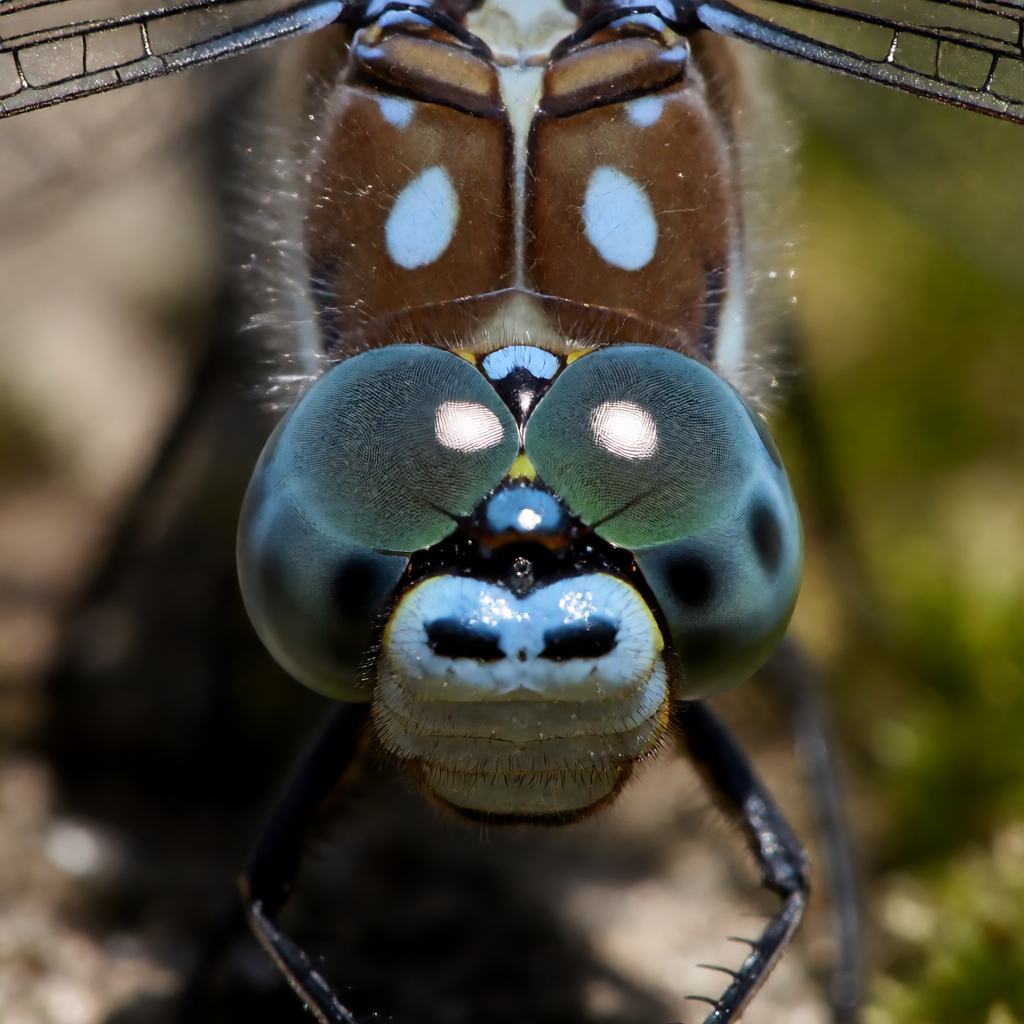
Eyes hold tens of thousands of lenses. Each lens sees a small part of the world. The brain joins the pieces into one wide view, yet it reacts in a fraction of a second. Legs form a basket for catching prey.
Spines on the legs stop insects slipping out, though prey is often eaten in mid air. Four wings beat out of step with each other. Because the wings work independently, the insect can hover, reverse and turn in its own length, which few birds manage.
1
2
3
Warm ponds and slow canals
Where it lives
Still water is the main home. Ponds, lakes and canals all work. Gravel pits and reservoirs also fill up with them. Floating plants help the larvae, since they hide from fish.
Warm, sunny sites hold the most. Its range covers southern and central Europe. North Africa and the Middle East also have them. The species has pushed north for 30 years.
Warmer summers, however, opened new ponds. Although the insect can use a garden pond, it needs water that holds fish free shallows and plenty of plant cover for the larvae.
Insects caught in flight
What it eats
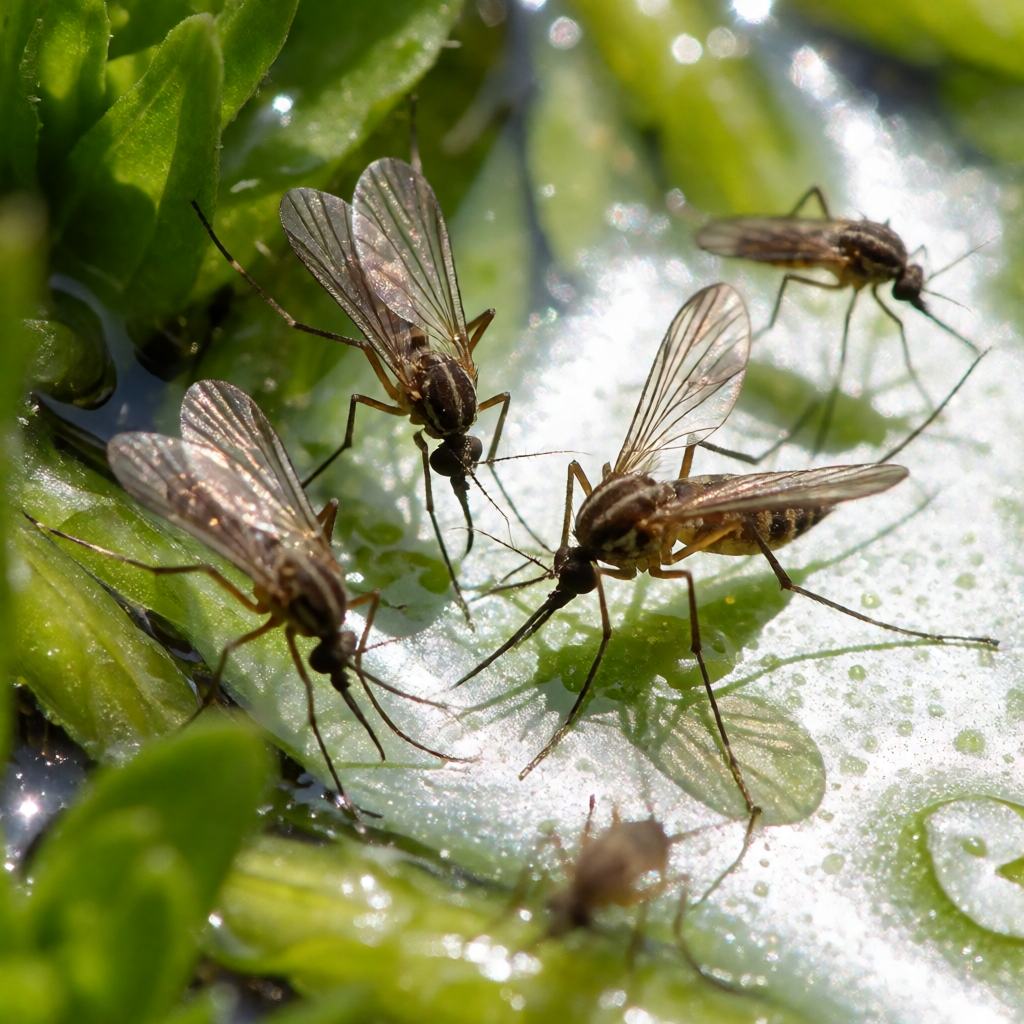
Both stages are hunters. Adults take flying insects on the wing. Midges, flies and moths are common prey, though anything airborne will do. Smaller dragonflies are caught too.
A hunt lasts a few seconds. The basket of legs closes around the target, while the jaws finish the job. Larvae hunt underwater with a hinged jaw. That jaw shoots out in a fraction of a second.
Tadpoles and insect larvae are taken. Since the larva needs two years to grow, a pond must hold food through several seasons before it produces an adult.
Eggs laid in plant stems
The breeding cycle
A male holds a stretch of bank. He hovers low over the water. Rivals are chased away at once, though a few always return. Females fly in to lay eggs.
She pushes them into floating plants. He guards her while she works. Eggs hatch after about 3 weeks. A larva moults 10 times or more.
Two years pass before it crawls out. Adults then live only 6 or 8 weeks.
Least Concern
Conservation
The IUCN calls this dragonfly Least Concern. That assessment dates from 2015. Numbers, however, look stable or rising. Drainage of ponds is a local threat.
Pollution kills the larvae. Fish stocked for anglers eat them. Warmer summers help in the north. Drought, though, hurts in the south.
Garden ponds now matter a great deal. Because the species breeds in small, warm water bodies, thousands of back garden ponds have quietly replaced the farmland pools that drainage destroyed.
Side by side
How It Compares
| Trait | Lesser Emperor | Emperor Dragonfly |
|---|---|---|
| Abdomen | 46 mm to 52 mm | 54 mm to 60 mm |
| Male colour | brown with a blue saddle | blue with a black stripe |
| Eyes | blue green | blue green |
| Range | southern Europe to Asia | Africa, Europe and the Middle East |
| Breeding water | shallow, warm ponds | larger, deeper ponds |
| IUCN status | Least Concern | Least Concern |
Common misreadings
What People Get Wrong
- A blue saddle means emperor. Emperors stay blue all along.
- Dragonflies can sting people. They carry no sting at all.
- All dragonflies die before winter. Some cross the sea.
Going further
Sources and Further Reading
- IUCN Red List entry for Anax parthenope
- Wikipedia, Anax parthenope
- Dijkstra, K.-D. B. and Lewington, R. Field Guide to the Dragonflies of Britain and Europe.
- British Dragonfly Society. Species account for Anax parthenope.
Quick hits
Five things to remember
- A male carries a blue saddle.
- Its genus name means lord.
- It crossed into Britain in the 1990s.
- The larva spends two years in water.
- It can hover, reverse and turn on the spot.