 By Iris
Mrauk U | The Lost Kingdom of Arakan
Historical Profile · Myanmar
Mrauk U | The Lost Kingdom of Arakan
A king returned from exile with Bengali troops and built a capital in a valley of grain, which grew rich on the trade between Bengal and Southeast Asia for three centuries.
AD 1429-1785
Founded
Capital
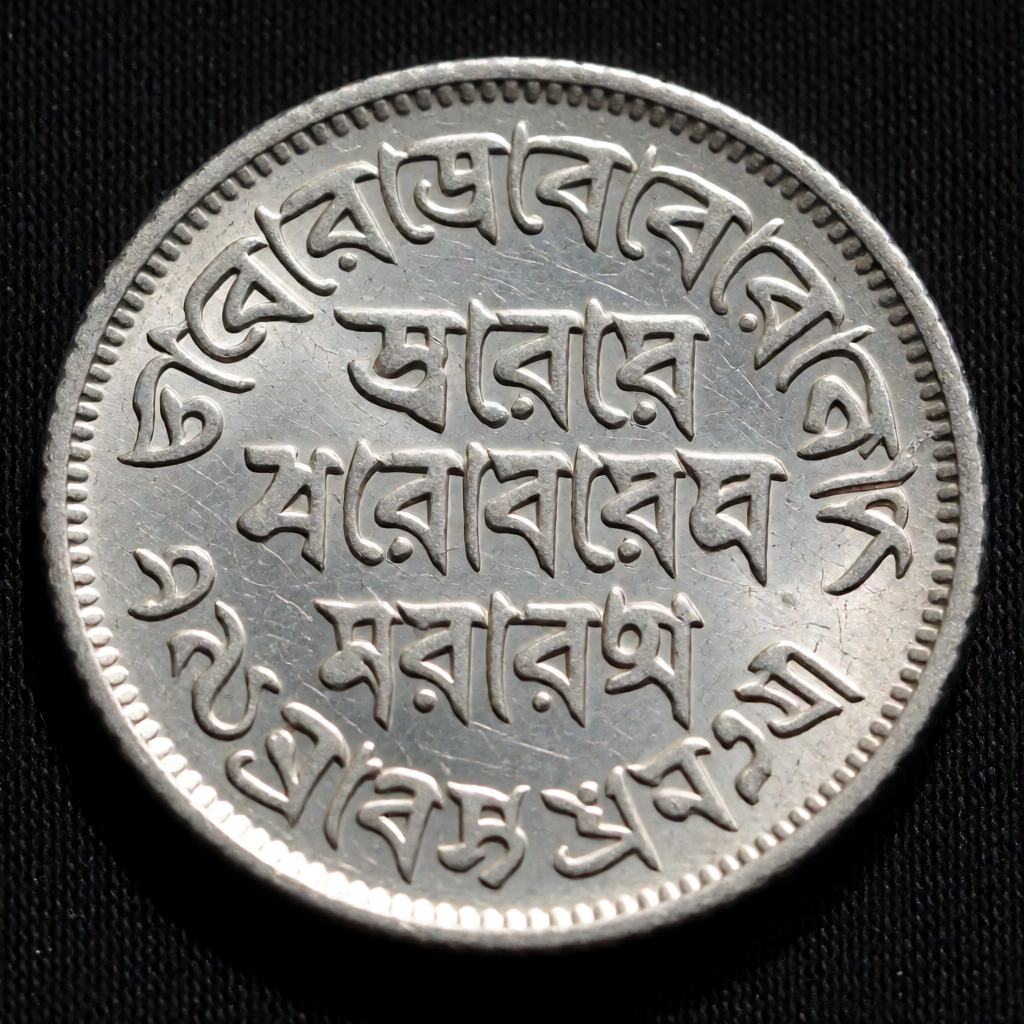
Coin
Trade
End
The big picture
Introduction
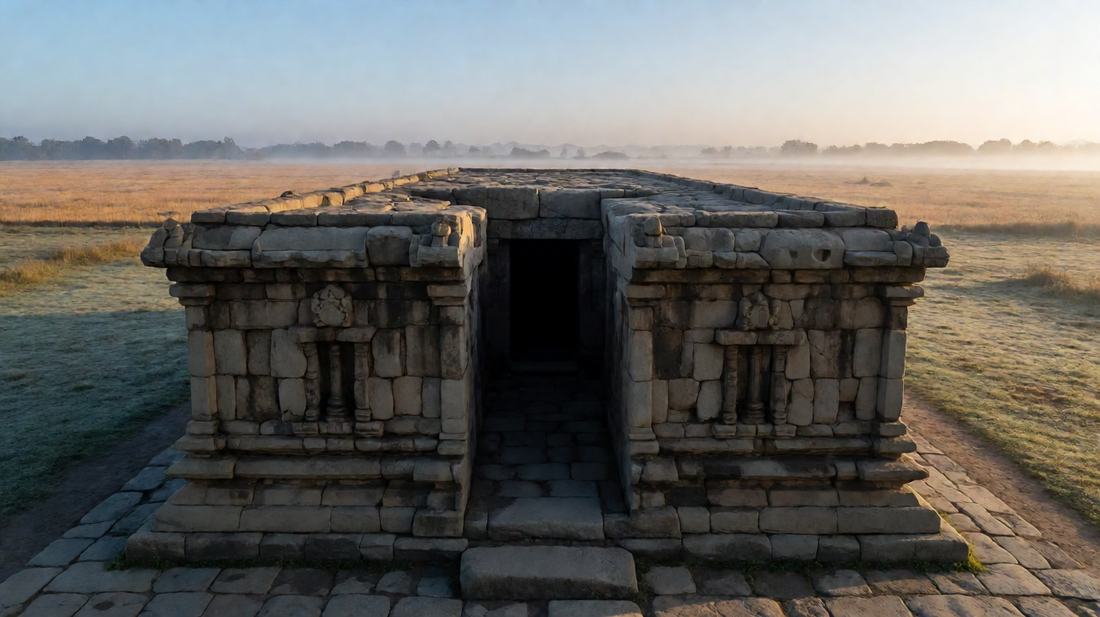
One king came home from exile and built a capital in a valley of fields. Its valley had a river, a moat and stone enough for temples. His kingdom lasted three and a half centuries. It sat between Bengal and Southeast Asia, and it took a cut from everything that passed. Its fleet raided Bengal and its army raided Siam.
Then a Burmese army arrived in 1785 and ended it. Temples still stand in a plain of grain. It worked. Exile taught him where power came from. He came back with troops and with a claim.
That valley had been a frontier, and it became a capital, which is the usual way that border towns grow. Grain grew below the temples, and the temples stood above the fields. Its moat made the city an island. That was the point.
Setting
Historical Context
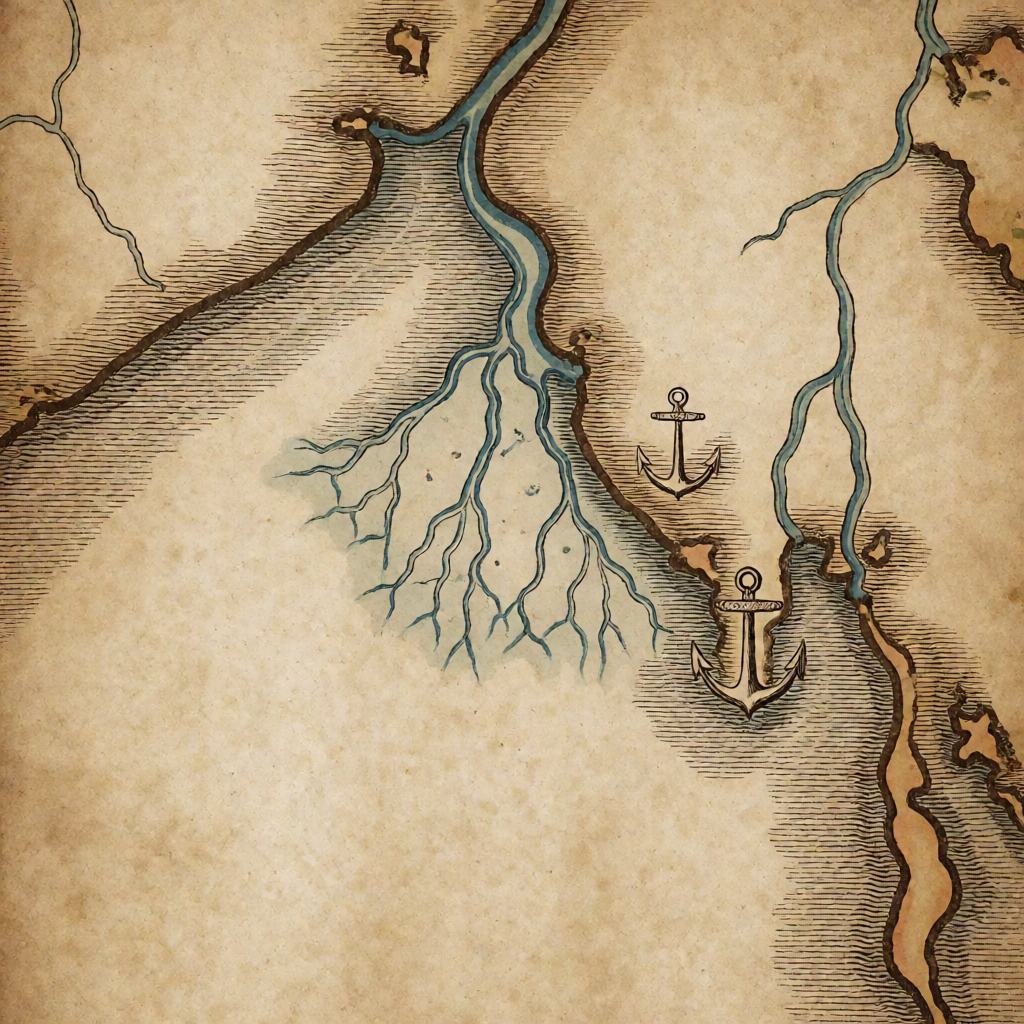
Arakan is a narrow strip of coast behind a wall of hills, and the hills cut it off from Burma. Sea routes tied it to Bengal instead, thus its culture looked west as much as east. Grain grew well in the valleys, and the rivers carried it to port. Islam came with Bengali traders, and Buddhism was already there. Two faiths shared a kingdom for centuries without merging.
Kings who wanted a throne needed Bengali help, and Bengal wanted a port. That bargain shaped the state from the start. Hills run north to south, and they cut the coast off from the interior of the country, which is why the sea mattered. Passes could be held by a small force, and they usually were. Sea routes were cheaper, thus the coast looked west.
Bengal was rich, and its ports needed a partner. Arakan supplied grain, timber and a safe harbour. That bargain suited both sides for two hundred years. Buddhist kings ruled a coast with a Muslim merchant class, and nobody thought it strange. Sea routes were far cheaper than the passes, thus the coast looked west while the hills looked inward.
Turning points
Key Events
Min Saw Mon took the throne in 1430 with Bengali troops and founded Mrauk U. He built a moat and a palace, and he struck coins in his own name. His successors raided Bengal for slaves, and they fought Siam by sea. In the 1530s a king began the Shite-thaung temple, and its walls list his conquests. Portuguese gunners served in the army, and some of them stayed. Its best years came in the seventeenth century, when the ports handled goods for three empires. Then the Mughals took Bengal, and the routes moved.
Burmese power grew to the east, and it wanted the coast. In 1785 a Burmese army took the capital and deported the king. Bengali troops put him on the throne, and he never forgot the debt, which he paid in ports and in grain. Early coins carried Bengali letters. His successors raided the Bengal delta for labour, and they sold what they took. War with Siam was fought at sea, and it was fought for ports. Foreign gunners held a fort on the coast for a while.
Mughal armies took Bengal in the 1570s, and the trade shifted west. Silver arrived, and thus the market shifted. Silver from the new world reached the coast through Bengal. Then the Burmese kings unified the interior, and they looked at the coast. Its last king fled, and the capital became a village. Collapse came fast.
1
2
3
Who held power
People and Powers
Rulers worked with a council of nobles and with the heads of monasteries. Below them sat governors who held river valleys and ports. Muslim officials ran the customs, since they knew the traders. Portuguese gunners trained the artillery, and they were paid in land. No fixed army existed, and the crown hired when it fought.
Law came from custom and from Buddhist texts, and the two rarely clashed. Any king who lost the customs money lost the nobles with it. Rank showed in dress, whereas money showed in land. Councils could refuse a king, though they rarely did. Monasteries held land, and land paid no tax.
Governors kept a share of the customs, and the share made them strong. Muslim traders ran the port, since they knew the buyers. Gunners were hired for a season, and they were paid in silver. Nobody trusted a standing army, and nobody could afford one.
Everyday world
Daily Life and Society
Grain fed the kingdom, and the rivers and the sea supplied the rest. Houses stood on posts above the flood, and a ladder was pulled up at night. Markets ran daily, and women ran most of them. Boys entered a monastery school and left after a few years. Households kept a water jar at the door for strangers. Timber was dragged to the river and floated down to the yards. Festivals followed the moon, thus the calendar was a religious matter.
Fever came with the rains, and medicine was prayer and guesswork. Boat traffic set the hours. Grain grew in the valley, and the surplus fed the capital. Houses stood on posts, and the space below held the stores. Water came from the moat in the dry months. Markets opened at dawn and closed by noon. Women traded cloth and salt, and they kept the profit.
Monastery schools taught letters to boys who would never be monks. Festivals drew crowds from the hills, and the crowds brought trade. Nobody wrote a diary, therefore daily life is known from the temples. Water was free. Debt was rare.
Craft and ideas
Trade, Technology and Ideas
Goods moved between Bengal and the Ayutthaya kingdom, and Mrauk U took a toll in both directions. Grain, timber and cloth went out, and salt, metal and coin came in. Cargo from the east reached this coast and then joined the Silk Road networks through Bengal, which made the valley a hinge. Temples were built of stone and brick, and the stone was cut without mortar. Engineers dug a moat fed by a canal, and the moat fed the fields. Majapahit Empire had fallen, yet its shipping lanes still carried the same goods north.
Coin was struck in silver, and the coins copied a Bengali style. Stone was local, therefore the temples cost less than they look. Moat building was an engineering feat, and it needed constant work. Canals fed the moat, and the moat fed the fields. Temples were built of stone, and the stone was cut to fit. Temple walls could carry a thousand carved figures, and each figure is different, which is why the walls are studied.
Shipbuilding used local timber, and the yards could repair a hull. Silver coins were struck to a Bengali standard, thus they circulated widely. Cargo went north to Chittagong and then overland, while the sea route went south. Hinge states earn their keep by being useful, and it earns enemies the same way. Tolls paid for the walls. Temples were built of stone from local quarries, and the quarries belonged to the crown, which set the pace.
What lasted
Legacy
Mrauk U still stands in a plain of grain, and its temples outnumber the visitors. Canals still drain the fields, and the moat still holds water. Burmese rule ended the kingdom and moved the capital, and the valley became a backwater. That saved the buildings, since nobody had the money to rebuild them. Diggers now read the walls as a record of a trading state, not a frontier post.
What survives is a lesson in position. Small states between two empires can grow rich, and it can be crushed. Stone survived, though the city did not. That moat still fills each year, and the canals still work. Temples outnumber the houses, and the houses are new.
Burmese rule moved the court, and the valley emptied. Poverty preserved the stone, since nobody could afford to rebuild, and rebuilding is what destroys most old cities. Diggers now map the canals, and the map shows a planned city. Small states can be rich, and they can still be swallowed. Position decides more than size, and Arakan proves it.
Side by side
How It Compares
| Point | Mrauk U | Pagan |
|---|---|---|
| Dates | AD 1429-1785 | AD 849-1297 |
| Base | Coastal valley | Dry central plain |
| Wealth | Sea trade and customs | Rice and temple land |
| Faith | Buddhist court, Muslim port | Buddhist court |
| Coin | Silver, Bengali style | Little coin in use |
| End | Burmese conquest, 1785 | Mongol raids |
Common misreadings
What People Get Wrong
- Chronicles often call Mrauk U a Buddhist kingdom of the interior hills and nothing more. Its money came from the sea, and its customs were run by Muslim merchants.
- Scribes say the Burmese conquest ended a weak state that had deserved it. The kingdom had held three empires at bay, yet its army was hired and small.
- Maps of the coast show a harbour with no hinterland worth the name at all. River valleys fed the city, thus the interior mattered as much as the sea.
Going further
Sources and Further Reading
- Wikipedia, Mrauk U
- Encyclopaedia Britannica, Arakan. Encyclopaedia Britannica, Inc.
- Charney, M.W. 1998. Rise of a Mainland Trading State: Rahkaing under the Early Mrauk-U Kings. Journal of Burma Studies 3.
- Gutman, P. 2001. Burma’s Lost Kingdoms: Splendours of Arakan. Orchid Press.
Quick hits
Five Things to Remember
- Mrauk U was founded in 1430 and fell in 1785.
- It sat between Bengal and Southeast Asia.
- Its kings struck silver coins in a Bengali style.
- Grain, timber and cloth paid for salt and metal.
- Burmese armies ended the kingdom in 1785.