 By Iris
Singhasari | The Java That Broke the Mongol Fleet
Historical Profile · Java
Singhasari | The Java That Broke the Mongol Fleet
A man of no family seized a district in eastern Java, founded a kingdom that lasted seventy years, and provoked an invasion that his son in law turned into an empire.
AD 1222-1292
Founded
Capital
Reach
Craft
End
The big picture
Introduction
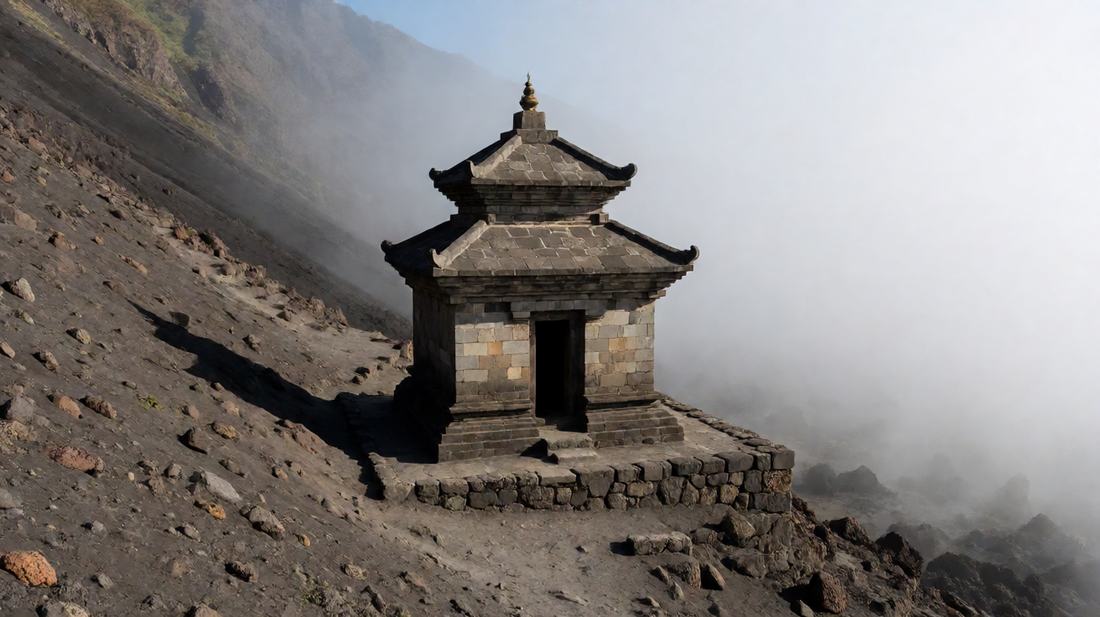
In 1222 a man of no family killed a local lord and took his place. He built a kingdom in eastern Java, and his descendants held it for seventy years. That kingdom was called Singhasari. It was small, rich and short lived. Its last king sent a fleet to Sumatra and refused a demand from the Mongol court.
Mongol forces came in 1292 to punish him. By the time it landed, he was already dead. His son in law used the invasion to found a larger state. The Majapahit Empire took the credit, and Singhasari became a prologue. Nobody wrote down his birth.
The priests gave him a family tree, since a king without ancestors could not rule. Power here rested on output, not on birth. Rice made the throne, yet rice could unmake it. Three reigns began with a killing.
Setting
Historical Context
Java grows rice on rich soil, and the soil rewards a great deal of work. That labour produces a surplus, and a surplus supports a court. The island had no single ruler before 1200. It had a patchwork of districts, each with its own lord and its own shrine. Indian religion arrived early, and it mixed with local practice rather than replacing it.
Two great temples were built in the ninth century, and they show what a rich district could do. Trade ran through the Java Sea to Sumatra, to the Malay coast and to China. Coastal states could tax that trade, while inland states could not. Singhasari sat inland, and its rise came from rice rather than from shipping. Ash from the peaks made the soil deep, so that deep soil held water.
Two harvests came in a good year. Surplus rice fed builders, and thus builders made temples. Temples stored grain, therefore the temple was also a bank. Nobody could hold Java for long.
Turning points
Key Events
Ken Arok killed the lord of Tumapel in 1222 and took his wife and his district. He then beat the king of Kediri in battle and took the title of king. His heirs ruled through a series of murders, and each murder made the court weaker. Anusapati was killed by a stepbrother, and the stepbrother was killed in turn. By 1254 a grandson had restored order and moved the capital east to Singhasari. Kertanegara took the throne in 1268 and began to expand.
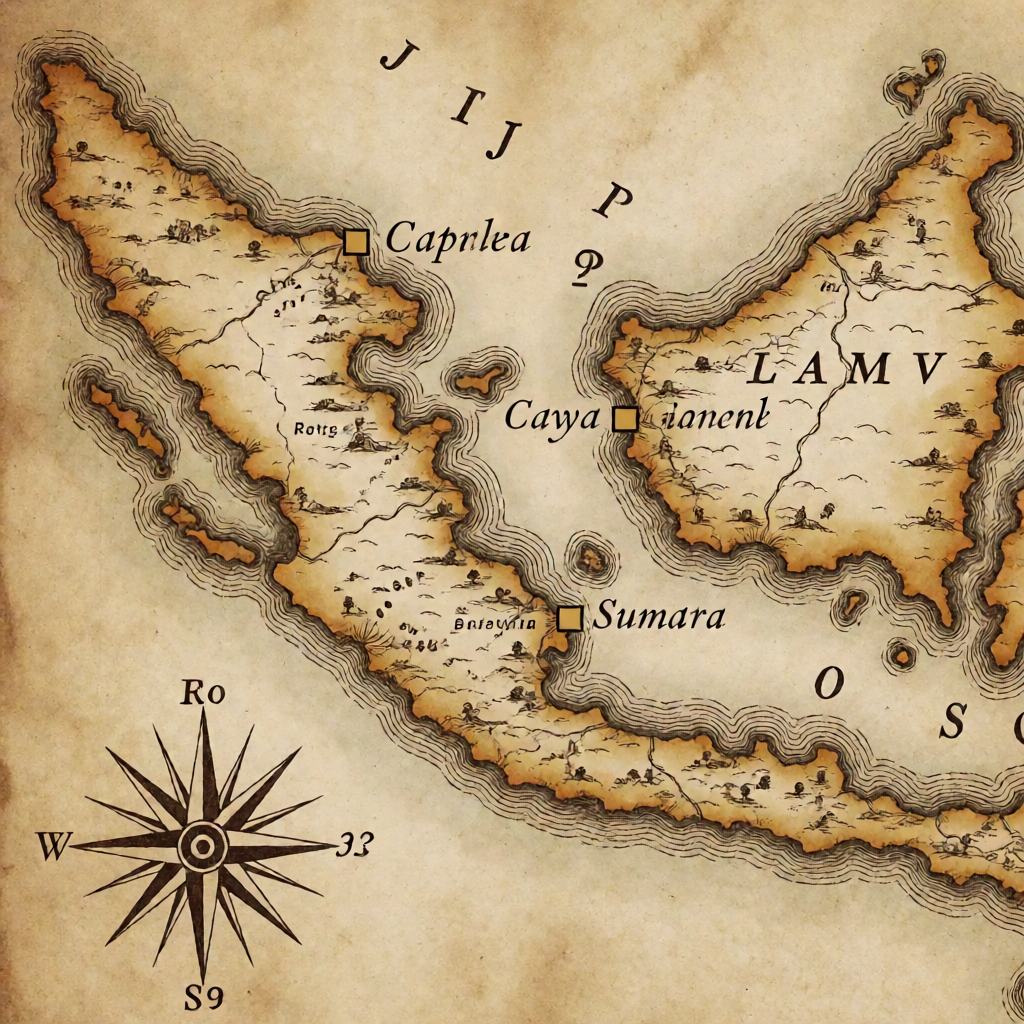
In 1275 he sent a fleet to Sumatra, a move called the Pamalayu. He refused a Mongol demand for tribute and marked the envoy’s face. In 1292 a cousin from Kediri attacked the capital while the army was away. Kertanegara died in the palace. Raden Wijaya, his son in law, offered the Mongols an alliance, used it, and then drove them out. Ken Arok came from nowhere, yet the records say so plainly.
He killed his lord in 1222. His line held for seventy years, though it never held comfortably. Kertanegara was clever, but clever kings make enemies. That envoy went home with a scar.
1
2
3
Who held power
People and Powers
Kings ruled with a small circle of relatives and with the priests who backed them, since only these two groups could be trusted. Below them stood district lords who kept their own men and their own courts. The crown had no paid staff and no standing army. It had a web of duties, and duties needed constant attention. Strong kings travelled, married widely and gave gifts.
Weak kings stayed at home and lost the districts one by one. Nobody wrote a law code here, and nobody tried. Custom settled most disputes, and the crown settled the rest when it could reach them. That arrangement produced short reigns and sudden collapses. Loyalty ran through marriage, while marriage ran through the districts.
Kings with many wives had many allies, but rivals came too. No law code was written, since custom covered most cases. Priests held the calendar, since the calendar set the planting. Weak kings lost districts quietly.
Everyday world
Daily Life and Society
Rice fed the state, and rice also paid the tax. Fields were laid out in terraces where the slope allowed, and the water was shared by rule. Houses stood on posts, with a bamboo floor and a roof of thatch. Villages kept a shrine, a drum and a meeting place under a large tree. Women sold produce in the market and kept the household money.
Boys learned a trade from a father or an uncle. Weddings joined two households and two sets of fields, therefore the fields counted more. Wealth showed in bronze, in cloth and in the number of mouths a household could feed. Fever came with the wet season, and the wet season came every year. Rice grew in wet fields, while the water came down the slopes.
Households ate twice a day in a good year. Cane built the house, and cane built the fence. Women kept the money, whereas men kept the tools. Fever came with the rains, since the rains came every year.
Craft and ideas
Trade, Technology and Ideas
Spice paid for the courts of the Java Sea, and the spice came from further east. Ships from Java carried rice, cloth and metal to the ports of Sumatra and the Malay coast. Chinese copper cash passed here long before Chinese ships came in numbers. A ship that reached the Swahili Coast carried the same goods that reached Java, and the sea route tied the two ends together. Bronze casting reached a high standard, and the workshops served temples and courts.
Water works were dug and kept up by villages, and the crown took a share of the water. Poems were written on palm leaf and recited aloud. Nobody here needed a written law, and nobody produced one. Spice went out, while cloth came in. Ships waited for the rains, since sailing depended on them.
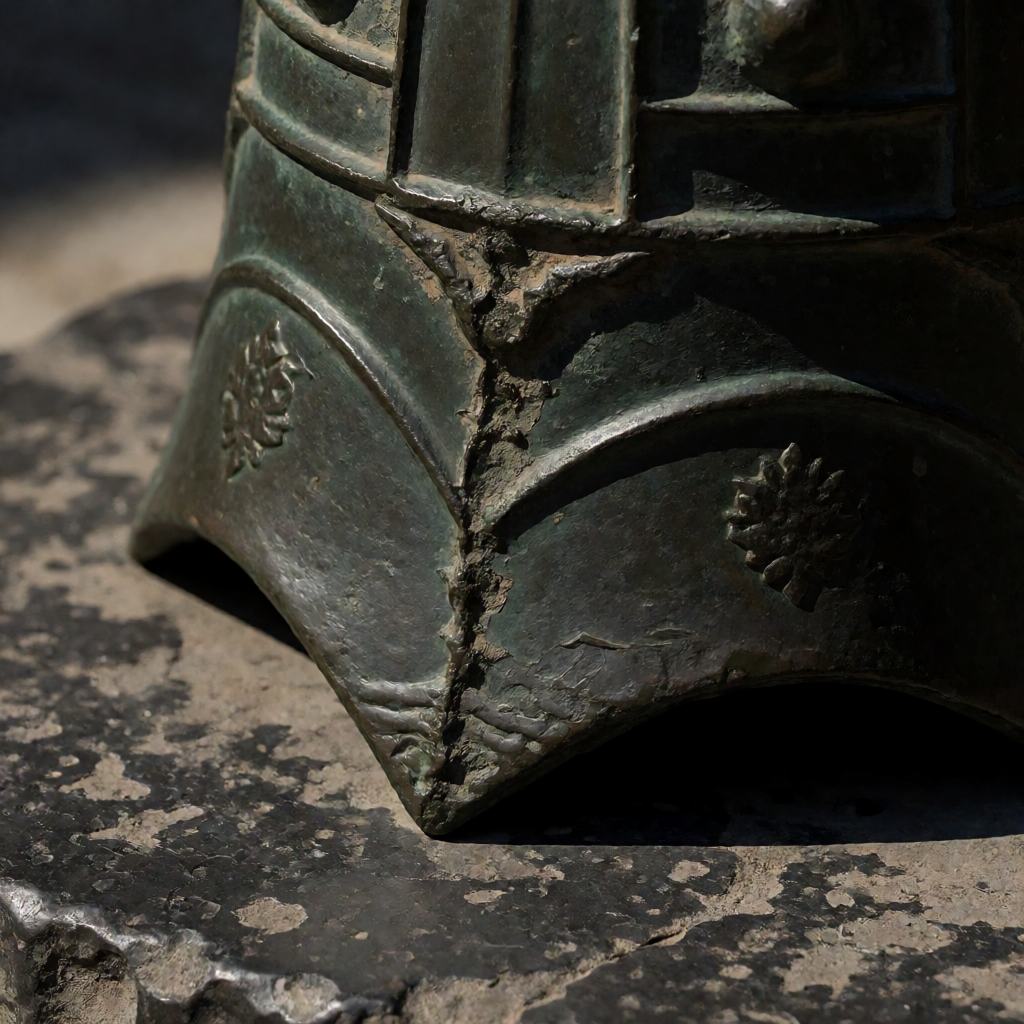
A voyage to China took a season, so that every trip was a gamble. Bronze bells were cast for temples, and moreover the moulds were kept. Coin was scarce, therefore goods were counted instead.
What lasted
Legacy
Singhasari lasted seventy years and left almost nothing standing. Its temples were small, and its capital has largely gone. Its real legacy was a method: take a port, marry into a district and let the priests explain the rest. Majapahit used that method and grew to hold most of the island chain. The Ayutthaya kingdom used a version of it on the Chao Phraya four centuries later.
Writers once dismissed Singhasari as an aside, and the records do not allow much more. Even so, the aside explains the chapter that follows. A state that begins with a murder and ends with an invasion is a useful reminder of how states form. Majapahit kept the tax rolls, and the tax rolls in turn kept the state. Nobody remembers the murders, though the temples survive.
The last king lost his life, while his son in law won the war. A short reign can still change a region. That is what happened here.
Side by side
How It Compares
| Point | Singhasari | Majapahit |
|---|---|---|
| Dates | AD 1222-1292 | AD 1293-1527 |
| Base | Eastern Java, inland | Eastern Java, river mouth |
| Reach | Java and a Sumatra raid | Most of the island chain |
| Navy | One expedition | Regular fleets |
| Faith | Buddhist and Hindu mix | Hindu court, Buddhist temples |
| End | Killed from within | Broken by trade shifts |
Common misreadings
What People Get Wrong
- Chronicles often call Singhasari a mere prelude to the empire that followed it. It ran its own trade and its own wars for seventy years, and the next state copied it.
- Scribes sometimes say the Mongols conquered Java in 1292 and then held the island. The fleet landed, lost a battle and left, and it never held a port.
- Travellers found a rich island that seemed to have a single king everywhere. The island held dozens of districts, thus a king ruled by agreement as much as by force.
Going further
Sources and Further Reading
- Wikipedia, Singhasari
- Encyclopaedia Britannica, Singhasari. Encyclopaedia Britannica, Inc.
- Hall, K.R. 2004. A History of Early Southeast Asia. Rowman and Littlefield.
- Ricklefs, M.C. 2008. A History of Modern Indonesia since c. 1200. Palgrave.
Quick hits
Five Things to Remember
- Founding came in 1222, when a man seized a district.
- In 1275 the last king sent a fleet to Sumatra.
- Refusing Mongol tribute cost him his face, and the envoy paid first.
- A rival killed him in 1292, before the Mongols landed.
- Out of that invasion rose Majapahit.