 By st20113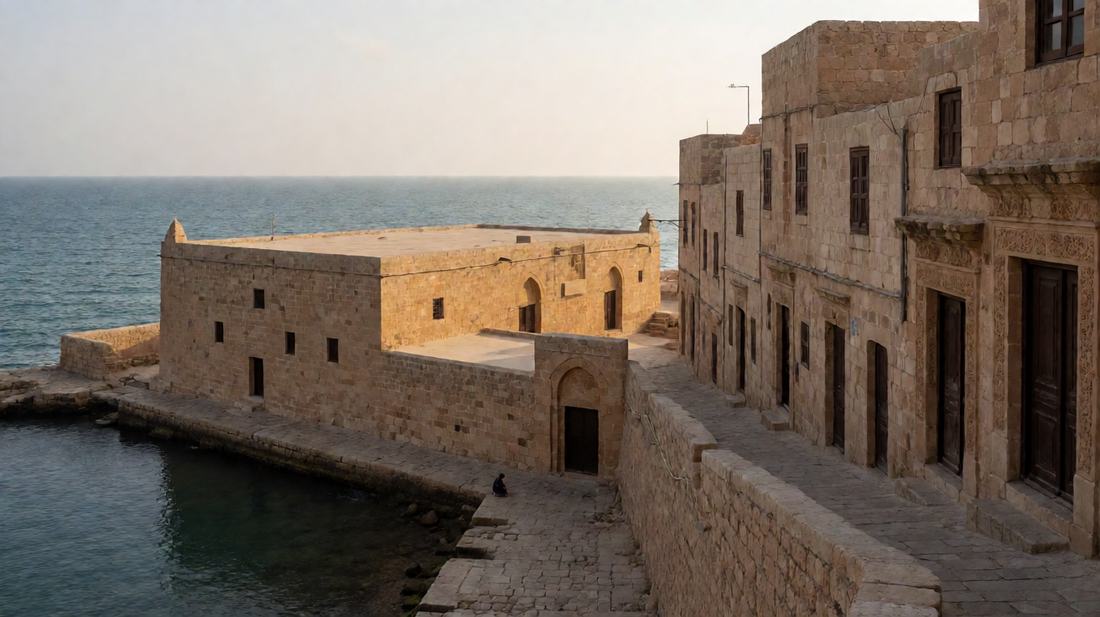
The Swahili Coast | Kilwa and the Indian Ocean
Historical Profile · East Africa, the Indian Ocean coast
The Swahili Coast | Kilwa and the Indian Ocean
A chain of stone port towns on the African shore that grew rich on the monsoon wind and on the gold of the interior.
c. AD 900-1500
Ports
Height
Gold came from
Visited
Taken
The big picture
Introduction
The Swahili coast is the long shore on the east side of Africa. It runs from what is now Somalia down to Mozambique. Between about AD 900 and 1500 it held a chain of port towns. Each one was built of stone.
Each had a mosque, a harbour and a walled quarter for merchants. Kilwa was the richest of them. The people spoke Swahili. It is a language of the mainland that took in many words from Arabic.
They were Muslim and they traded across the ocean. They grew rich on the gold of the interior. For 600 years the coast was one of the great meeting places of the world.
Setting
Historical Context
The coast had been lived on for a very long time. Farmers had worked the land behind the shore. People there had long sailed along it. What changed the coast was the arrival of ships from across the ocean.
Traders came south with the monsoon wind. It blows one way for half the year and then reverses. That pattern made the voyage reliable. A ship could leave the Gulf, trade for months and sail home on the summer wind.
The crossing took about a month each way. Once the timing was understood, the coast was no longer the far edge of the world. Islam came with the traders. The towns became Muslim one by one.
Turning points
Key Events
Kilwa grew from a small settlement on an island in the south. By about 1000 it had a ruler of its own. By the 1100s it had taken Sofala, a port far to the south. That port led to the gold fields of the interior. That was the base of its wealth.
The great mosque of Kilwa was rebuilt through the 1100s and 1200s. Merchants put up houses of cut stone. Coins were struck there. The town reached its height between about 1200 and 1400. Visitors called it one of the finest places on the coast.
In 1331 the traveller Ibn Battuta came south. He wrote about the town and its ruler. In 1498 a Portuguese fleet under Vasco da Gama worked up the coast. Seven years later a Portuguese force took Kilwa. The old trade was broken up.
1
2
3
Who held power
People and Powers
The coast was never a single state. It was a group of towns, each with its own ruler. Kilwa was the strongest for a long stretch. It held Sofala and the gold route that fed it. Mombasa, Malindi and Mogadishu were ports of the same kind.
They were rivals as often as they were partners. The ruler of a town was a sultan. His income came from a share of what passed through the harbour. He kept the peace between the merchant families. The towns were small.
A big one held a few thousand people. A town that lost its harbour lost its income. So the rulers kept boats of their own and watched the sea lanes.
Everyday world
Daily Life and Society
The towns were built of stone and set close to the water. The houses of the rich were large. They had a central courtyard with rooms around it. The thick walls kept out the heat. The blocks were cut from the shore.
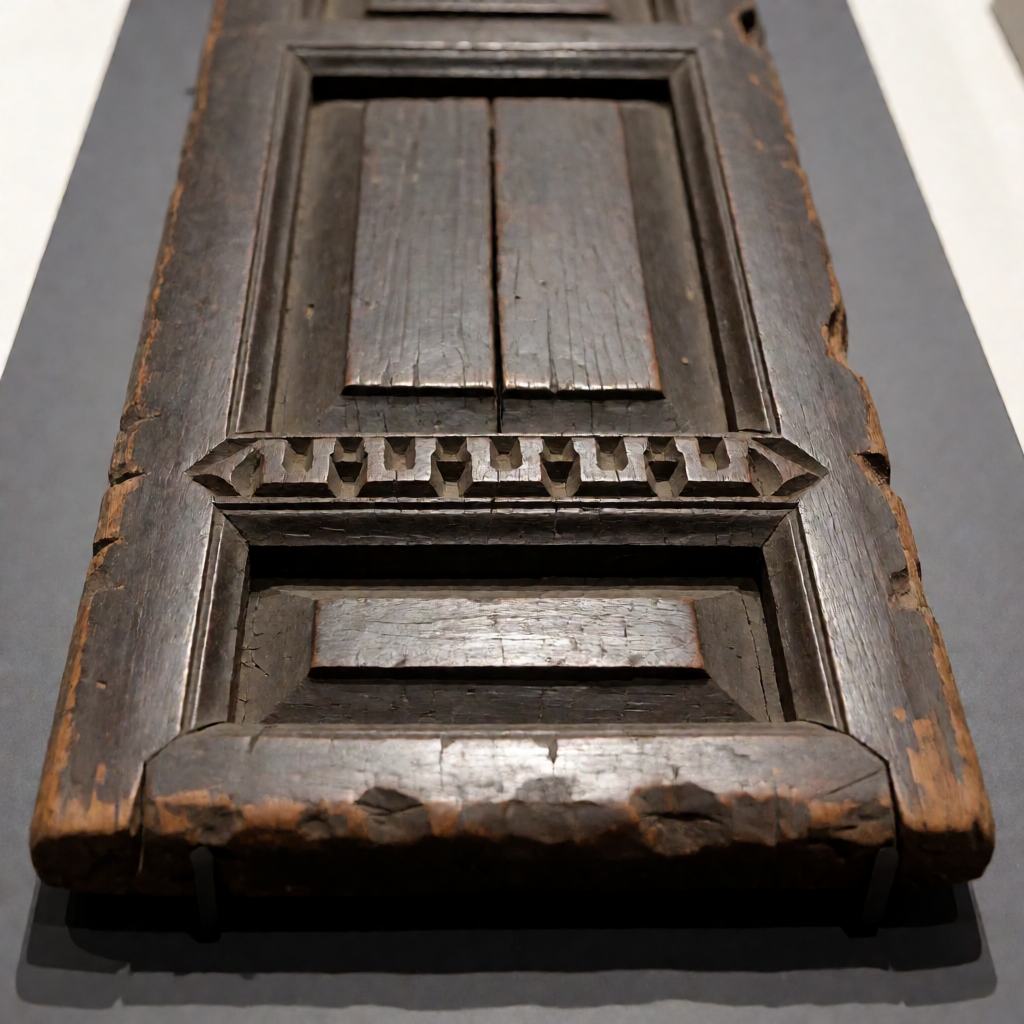
They are soft at first and harden as they dry. The insides were finished with lime plaster and carved wood. The doorways were framed with deep carved panels. Behind the stone town lay the quarters of the poorer people. They were built of earth and poles.
Farmers worked the land behind the coast. Swahili was the language of the coast. Rich and poor alike spoke it. Poetry and song were written in it.
Craft and ideas
Trade, Technology and Ideas
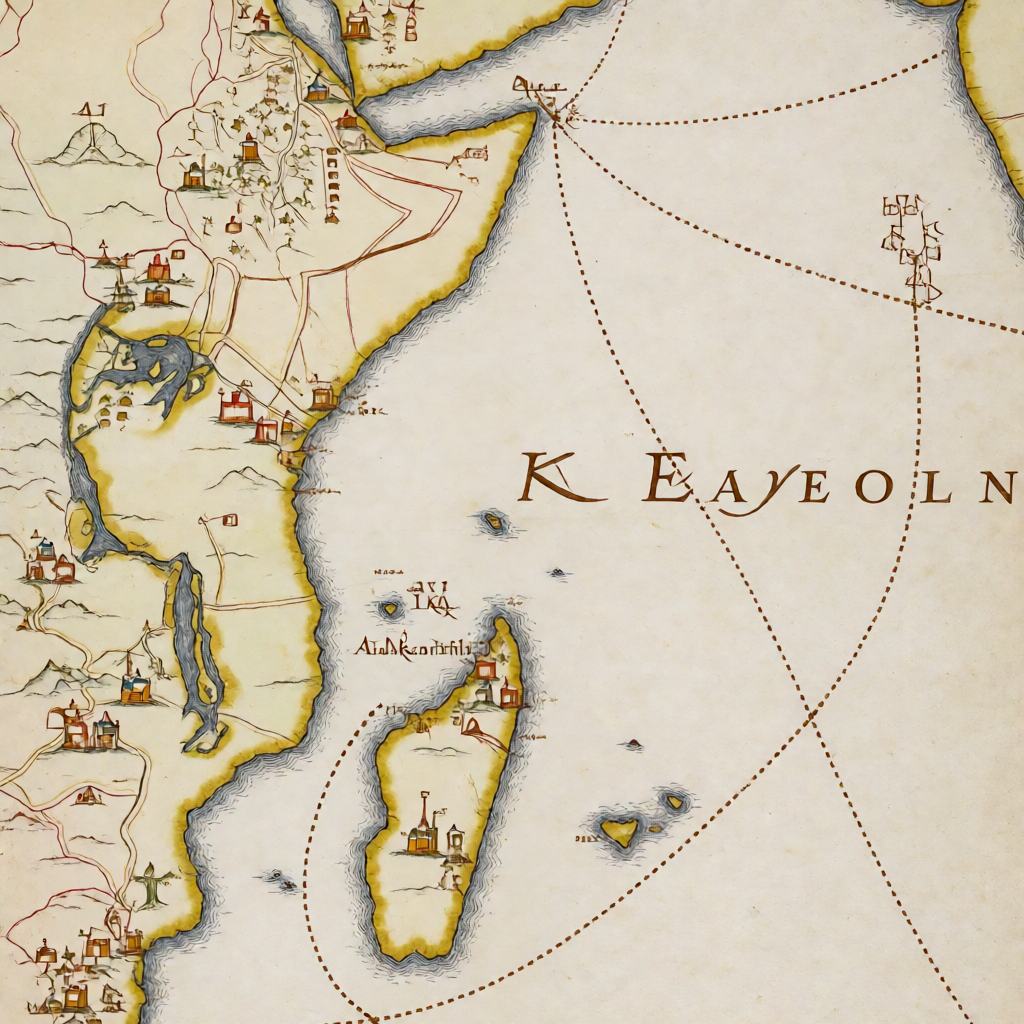
The trade of the coast rested on three things. The first was gold from the interior. The second was ivory. The third was the goods of the ocean. The gold came down to Sofala.
It went north to the Gulf and became coins and jewellery. From the north and the east came cloth from India, glass, beads and pottery from China. The goods went north to the Gulf and the Red Sea. From there they joined the overland routes of the Silk Road. The ships were built for the monsoon.
They were sewn rather than nailed. Their sails could catch a slanting wind. In the early 1400s a Chinese fleet under the admiral Zheng He crossed the ocean. It called at the ports of the coast.
What lasted
Legacy
The ruins of Kilwa and the other ports still stand. Kilwa was listed as a world heritage site in 1981. The great mosque and the houses of the merchants can still be walked through.
These were African towns. They were built and run by African rulers. They took part in a trade system that reached from the gold fields to the markets of India and China.
For a long time the history of the region was written as if the outside world had brought everything. The work of the last fifty years has turned that around.
Quick hits
Five Things to Remember
- The Swahili coast ran from Somalia to Mozambique, with Kilwa as its richest port.
- Its towns grew rich on gold, ivory and the trade of the Indian Ocean.
- The monsoon winds made the voyage from the Gulf reliable in both directions.
- In 1331 Ibn Battuta visited, and in 1498 Vasco da Gama sailed up the coast.
- A Portuguese force took Kilwa in 1505, and the old trade was broken up.