 By Iris
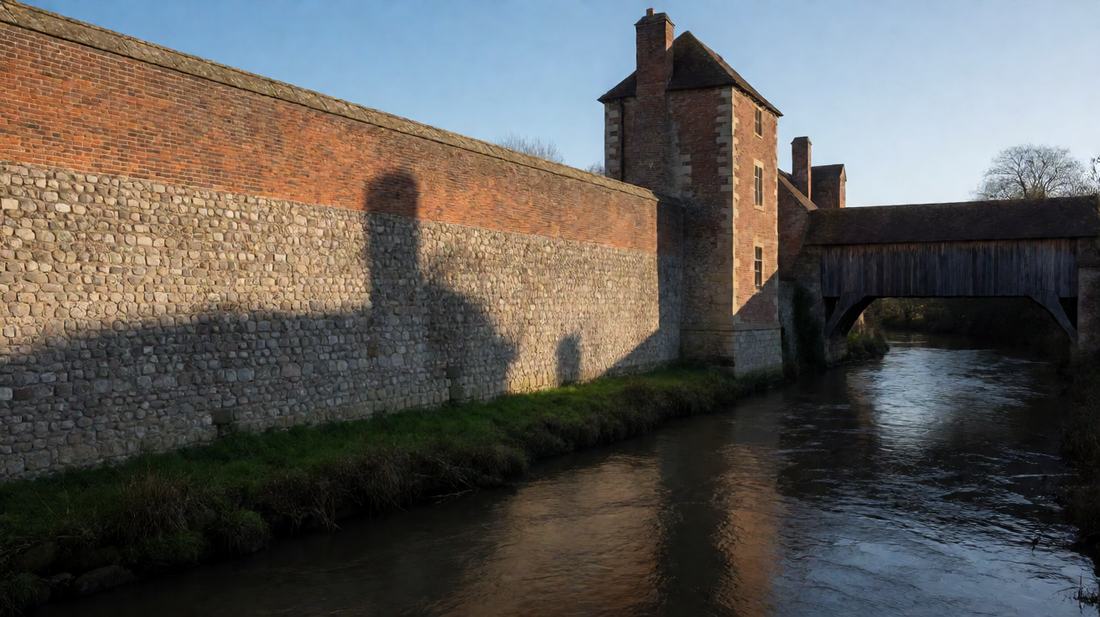
The Novgorod Republic | The City That Ruled Itself
Historical Profile · North West Russia
The Novgorod Republic | The City That Ruled Itself
A city that hired its prince, could dismiss him and kept the receipt, until a neighbour with a bigger army took the bell away.
AD 1136-1478
Charter
Offices
Wealth
End
Span
The big picture
Introduction
Novgorod hired its own ruler. It could dismiss him. Rivers linked it to the Baltic, and a portage linked it to the Volga. That position made it rich. In turn it made it vulnerable. Its wealth came from the north.
The goods were wax, pelts and hides. Merchant fleets came from the German towns. They came every spring. It ruled a vast hinterland, and it ruled it lightly, since distance was the real ruler. Citizen assemblies chose the officers. An assembly could riot.
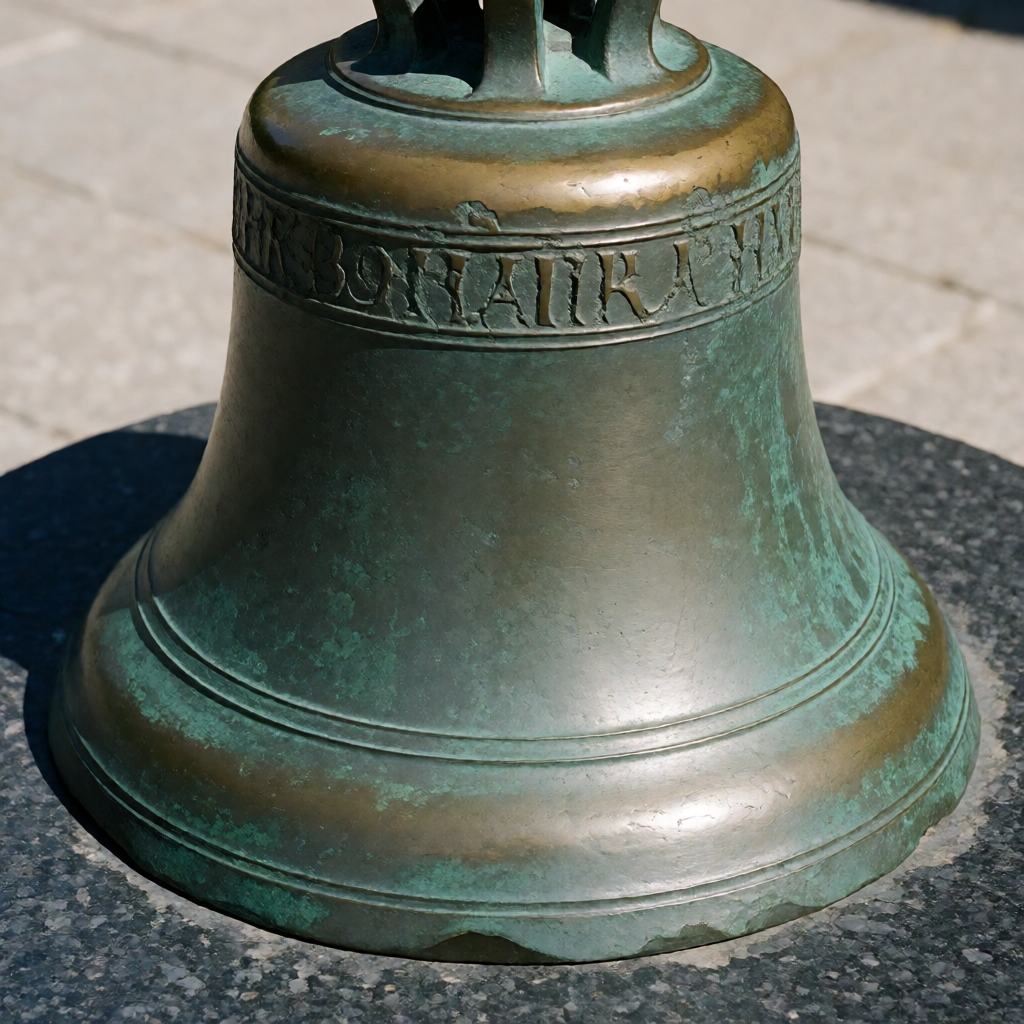
Moscow took the city in 1478. The bell came down. That bell was the symbol of self rule, and in effect its loss ended the experiment. Few medieval cities ran themselves for so long.
Setting
Historical Context
Scandinavian traders had used the site since the 9th century, and they called it a staging post. One route ran south to the Black Sea. Another ran east to the Volga. Furs came from the north. Silver came from the east. It grew rich on that exchange, and it grew independent with it. Charter of 1136 gave the assembly the right to choose a prince, and thus to dismiss him when the contract failed.
Command of the army belonged to the prince, and he judged cases with the mayor. He could not own land in the city, and he could not appoint officers. Mayors ran the administration. A thousand man led the militia. Archbishops held the treasury, and they held the seal. Five districts ran their own courts. Each had a voice.
Colonies to the north paid tribute, and the city ruled them lightly. Treaty with the German towns came in the 12th century, and indeed it set the rules of trade. A prince was a contractor, and the contract could be ended. That is a rare arrangement, and it lasted 340 years, though no charter fixed the whole of it. Princes could be hired for a season, and the contract named their share.
Turning points
Key Events
Princes who lost a battle were dismissed, and one was dismissed for a bad harvest. It fought Sweden for control of the gulf, and in turn it fought for a century. Alexander Nevsky won a battle on the ice in 1242, and the border held. Mongol tax collectors came in the 1250s, and the city paid tribute. It paid. It was not occupied, and in effect that difference mattered.
Revolt against the tax came in 1259, and the prince put it down. Trade with the German towns grew, and a walled trading post was built. That post held its own court, and its own weights, and no city officer could enter it. Local merchants traded in the same markets. They competed. Plague came in 1352, and again in 1417, and indeed a third followed.
Moscow grew stronger. The hinterland was contested. In 1471 a battle on the river decided the war, and thus Moscow won. In 1478 the assembly was abolished, and the bell went to Moscow. The bell was rung to call a meeting, and its removal was the end. Walls of oak stood on a bank, and they were rebuilt after every fire.
1
2
3
Who held power
People and Powers
Princes sat at the top, and they were hired officers. Mayors held the city’s business, and they were elected from the great families. Thousand men commanded the militia, and in turn they were elected too. Archbishops held the treasury, and the office was chosen by lot. That choice by lot is unusual, and it kept one family from owning the church, which was the point.
Great families held the best land. They filled the offices. Merchants formed guilds, and a guild in effect had its own court. Artisans lived in their own districts. Each had a church.
Women could own property, and a widow could indeed trade in her own name. Slavery was common. A slave could be freed by a will. The assembly was open to free men, and it was noisy. Decisions could be shouted through, and they could be shouted down, since a voice was the only vote.
Everyday world
Daily Life and Society
Most people lived in wooden houses on a muddy street, and fire was the great danger. Houses had a stove, a store and a yard, and in turn the yard held a well. Water came from the river, and the river carried everything. Bread was the staple. Salt came from the south.
Markets met every day, and a fair met once a year. Crafts were organised by street, and a street had one trade. Churches were built of stone, and indeed they were the only stone buildings. Schools sat beside the archbishop’s court, and they trained clerks. Winter stopped the river.
Roads became ice roads. Life was short, and fire, plague and hunger in effect did the work. What survives is birch bark letters, and they are ordinary messages, though a few are bills. Letters can be a shopping list, and they can be a threat. Families kept a store and a boat, and the boat was the real capital.
Craft and ideas
Trade, Technology and Ideas
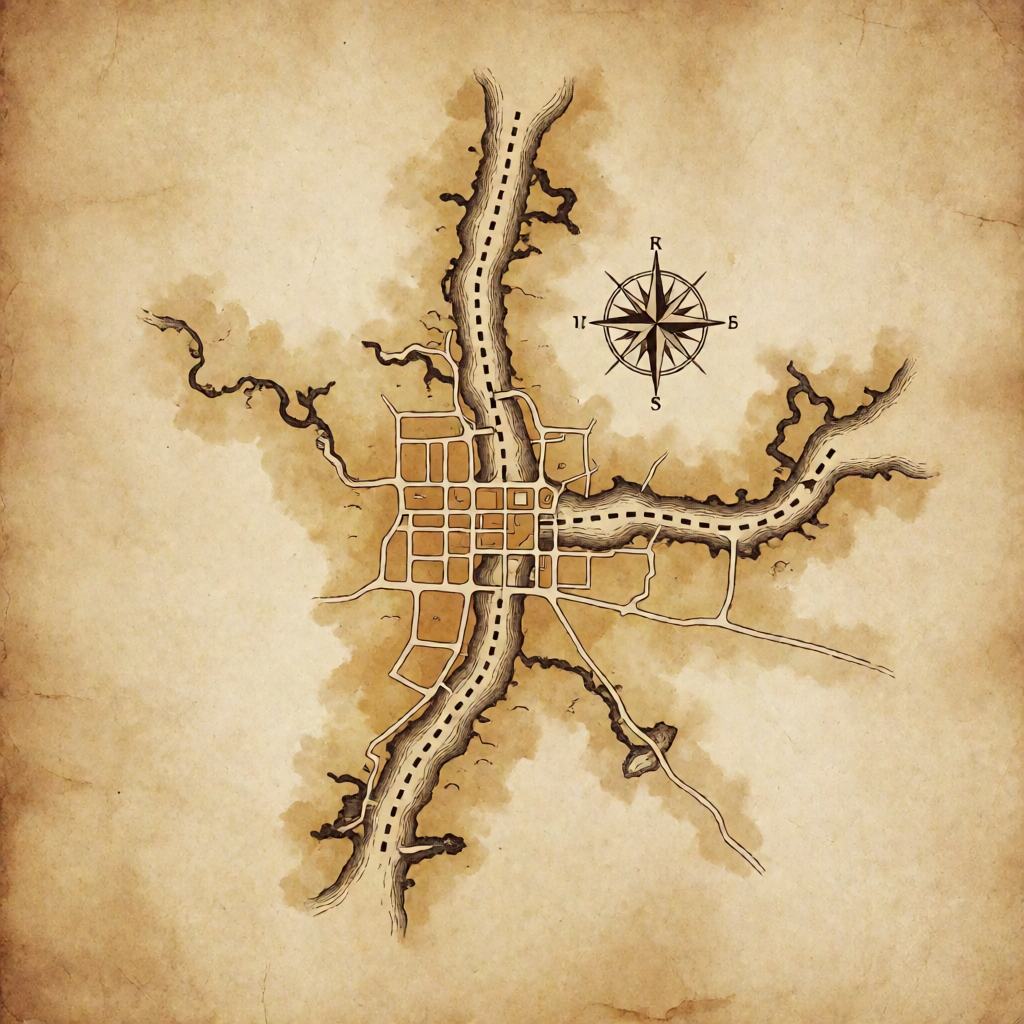
A river road ran north to the gulf, and a portage ran east to the Volga. Goods went out as wax, pelts and hides, and in turn they came back as cloth and silver. The Viking Age had opened that road, and the city inherited the traffic. German traders held a post in the city, and in effect it was a walled quarter. Its merchants had their own law, and the city accepted it, since the trade paid for the wall.
Amsterdam would later take the same role in the west, and it would do it with ships. Shipbuilding used clinker planks, and indeed a hull could be repaired on a beach. River boats were flat. They could carry a load upstream. Writing came with the church.
Birch bark carried the rest. Contracts could be written on bark, and a debt could be recorded. Ideas came with the traders, and thus a foreign law reached a northern court. No university was founded, and the city kept a school, since a school trained the clerks it needed.
What lasted
Legacy
Moscow took the city, and it took the bell. Offices disappeared, and in turn the merchants kept trading. Foreign quarters remained, and they remained until 1917, though their privileges shrank. Memory kept the idea of a city that hires a ruler, and indeed the law kept it too.
Russian historians argue about the assembly, and they argue about how open it was. Peter the Great built a new capital on the sea, and he built it to control trade. Two cities, one river system, and one problem of distance. Its lesson is about a contract.
It is about who can enforce one. Cities that can dismiss a ruler need a wall, and they need money to keep it. Tourists walk the kremlin wall, and the bell is in a museum.
Side by side
How It Compares
| Point | Novgorod | Moscow |
|---|---|---|
| Dates | AD 1136-1478 | AD 1283-1547 |
| Rule | An assembly and elected officers | A prince and his court |
| Ruler | Hired, and dismissible | Hereditary, and not dismissible |
| Wealth | Wax, pelts and hides | Land, tribute and then the fur road |
| Army | A militia and a hired prince | A service nobility |
| End | Taken in 1478, and the bell removed | Became the Russian state |
Common misreadings
What People Get Wrong
- Novgorod is often called a democracy. Free men had a voice, the great families filled the offices, and the poorest had none.
- Assemblies are usually drawn as calm debate. Contested votes ended in fights on the bridge, and one of them is recorded in detail.
- Endings are often dated to a single battle. The war ran from 1471, and the assembly was abolished seven years later.
Going further
Sources and Further Reading
- Wikipedia, Novgorod Republic
- Encyclopaedia Britannica, Novgorod. Encyclopaedia Britannica, Inc.
- Birnbaum, H. 1981. Lord Novgorod the Great. Slavica.
- Martin, J. 1995. Medieval Russia 980-1584. Cambridge University Press.
Quick hits
Five Things to Remember
- Novgorod chose its own prince from 1136 and could dismiss him.
- An assembly of citizens elected the mayor and the archbishop.
- Wealth came from wax, pelts and hides traded to the German towns.
- Moscow took the city in 1478 and removed the assembly bell.
- The republic lasted 342 years.