 By Iris
The Ayyubid Sultanate | Saladin and the Counter-Crusade
Historical Profile · Egypt and Syria
The Ayyubid Sultanate | Saladin and the Counter-Crusade
One family of officers joined Egypt to Syria, retook Jerusalem and then spent its energy quarrelling over the pieces.
AD 1171-1260
Founded
Reach
Victory
Money
End
The big picture
Introduction
One family from the mountains of Kurdistan built a state that ran from the Nile to the Euphrates. Its founder is the best known Muslim ruler in western memory. Saladin took Egypt in 1171 and Syria by 1183.
He then beat a crusader army at Hattin and retook Jerusalem. That victory in turn set off the Third Crusade, and the two sides fought to a draw. After his death the state passed to his relatives, and indeed they quarrelled at once.
Ayyubid rule lasted 89 years and ended with a slave soldier on the throne, though the offices were kept. Its gift was not a frontier but a set of schools and courts. Those institutions outlived the family that paid for them, since a school needs a fund rather than a dynasty.
Setting
Historical Context
Cairo had been the seat of a rival caliphate for two centuries. Power had slipped from that house, and its hold on the countryside was gone, in effect its soldiers chose its ministers. Along the coast a line of crusader states held the ports and the roads inland. Turkish rulers at Mosul pressed them from the north, and they pressed Egypt too.
Its ruler sent a young officer west with a small force in 1163. Saladin reached Cairo, took the office of vizier and indeed the state itself. In 1171 he ended the old caliphate, and the prayer in Cairo named a new ruler. Nur al-Din died three years later, and thus Saladin was free to build his own house.
Damascus fell to him in 1174, and Aleppo followed in 1183. By 1186 he held a block of land that no crusader state could match. Ancient Egypt had been a province of empires for 1,500 years, and its grain paid for whatever army held the delta. That income was the base of everything that followed, since a siege is a matter of money.
Turning points
Key Events
War made his name, and it began with a raid on a caravan. July 1187 brought the two armies to Hattin, west of the lake. Heat and thirst did most of the work. Discipline broke. Within months he held Acre. Jaffa and Jerusalem followed. Jerusalem opened its gates.
No massacre followed, though the terms were harsh. Europe answered with the Third Crusade. Three kings set out. One of them took Acre after a long siege, and then in turn marched south. Two armies met at Arsuf. Crusader discipline held. Jerusalem stayed out of reach, since a siege needs water and time.
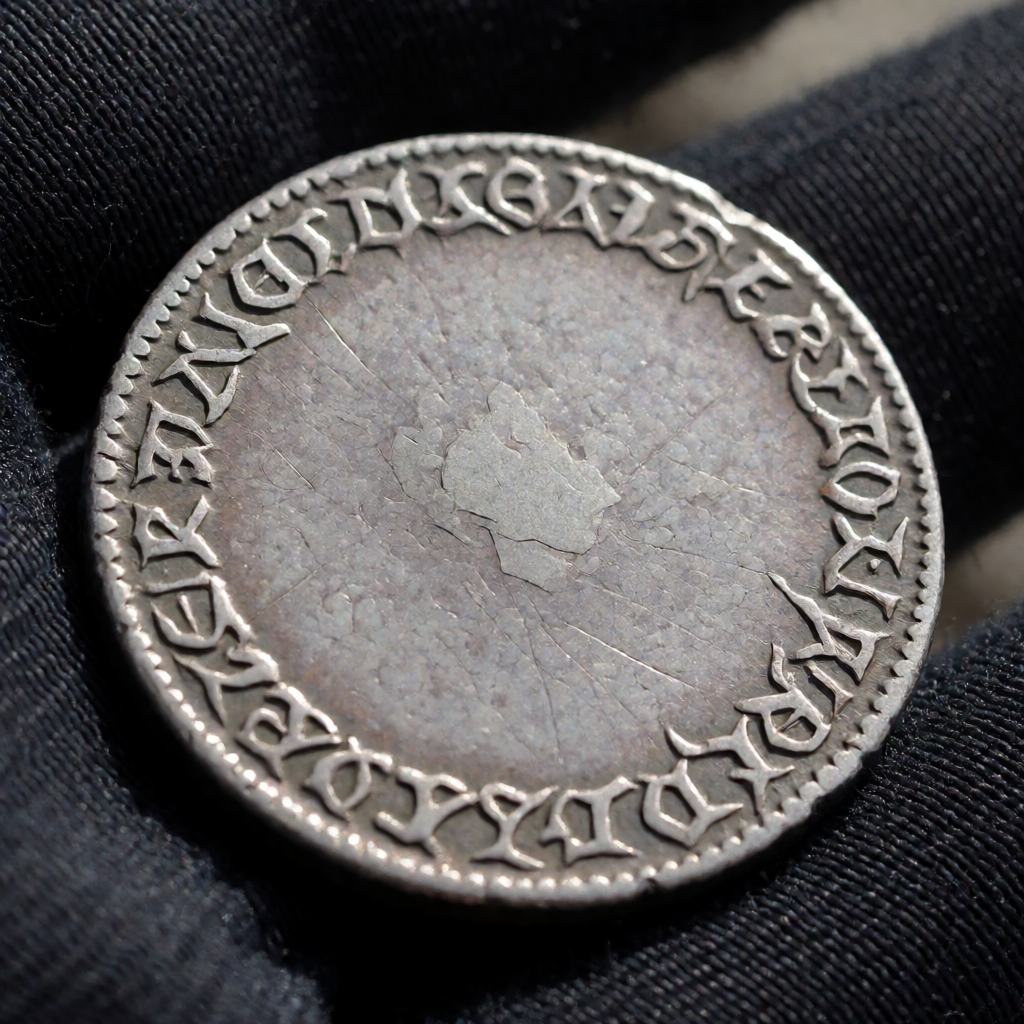
Two years later the two sides signed a treaty, and pilgrims kept the right to visit. Saladin died the next year. Sons and brothers divided the work. His brother held the centre together for a while, and in effect he did it by consent. Crusaders came to Damietta in 1218, and the Nile flood decided the siege. Mounted bands from the east broke the last field army at La Forbie in 1244. Six years later the slave soldiers of the court took power, and the family was finished.
1
2
3
Who held power
People and Powers
One sultan sat at the top, and his relatives held the provinces as a family firm. Each prince kept his own army, his own mint and in effect his own tax. None shared. There was no rule of succession, and thus a death was always a contest. Officers held land grants in return for service, and the grant was not hereditary at first. Soldiers could rise far, since skill mattered more than birth.
Judges and teachers came from the cities. Public trusts paid them. Trusts held land, and the rent paid for a school and its staff. This arrangement kept learning alive when the treasury was empty. Christians and Jews kept their own courts. They paid a tax in place of service.
Numbers were small. Cost was high, and moreover it was never fully under one hand. Ayyubid princes fought each other more often than they fought outsiders, and indeed the family war came first. That habit cost them Syria. Egypt was nearly lost too.
Everyday world
Daily Life and Society
Cairo was a city of mud brick and stone. Stone was for the rich. Each summer the Nile rose, and the height of the flood set the tax. Low floods meant hunger, and high ones in turn meant broken banks. Water moved through channels. Wheels lifted it to the fields.
Markets ran by district, and each trade had its own street, and indeed its own gate. Bread was cheap in a good year. Poor families lived on bread and oil. Houses were tall and narrow. Wooden screens covered the window. Families slept on the upper floor, and the ground floor held the shop, since a workshop needed the street.
Schools sat beside the mosques. Boys could learn to read for nothing. Medicine was taught in the same buildings. Hospitals took the poor. Ordinary people left few records, and thus most of what we know comes from paper kept by the rich.
Craft and ideas
Trade, Technology and Ideas
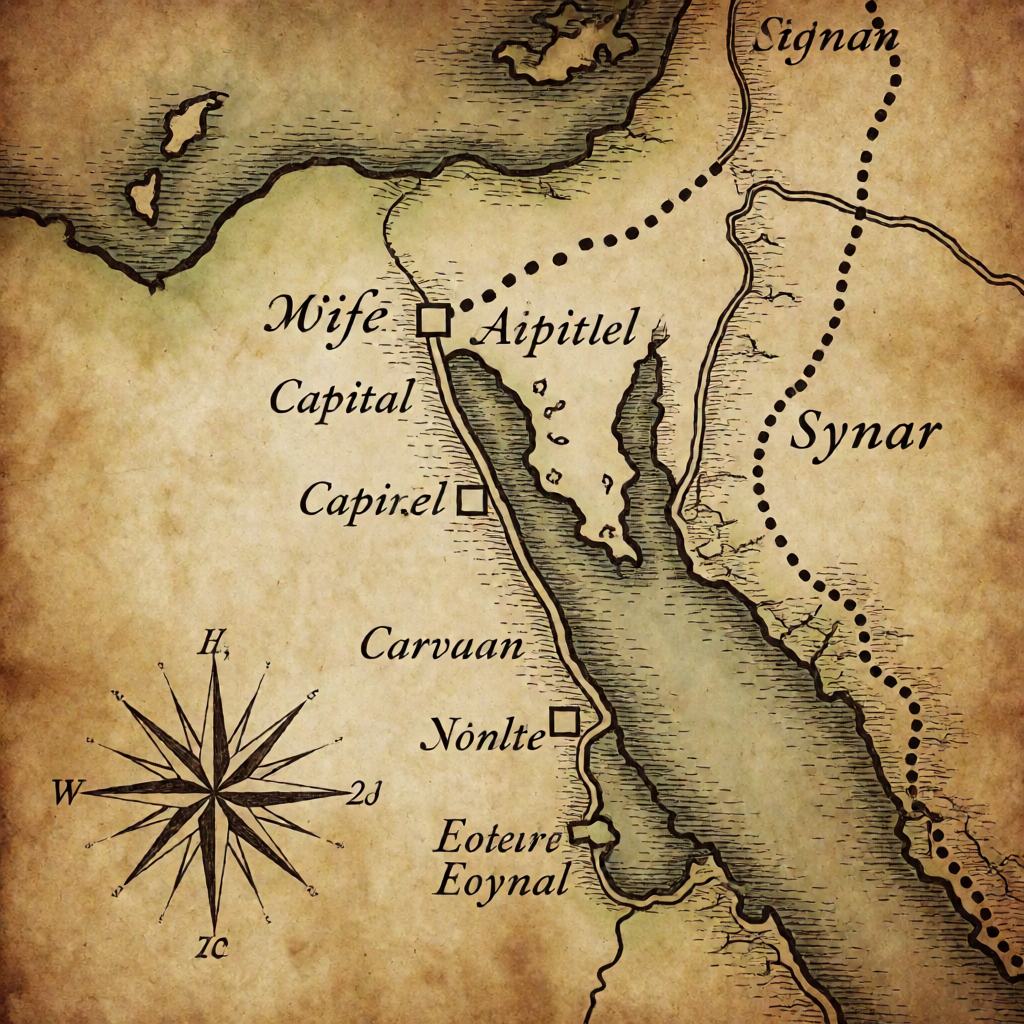
Its land sat across the shortest road from the Indian Ocean to the Mediterranean. Spice came up the Red Sea, and it in turn went north to Damascus and the coast. Merchant houses could move goods the whole way, and they could lend against them. That trade paid for the schools, and the schools trained the clerks who ran it. From the east the Silk Road reached the Syrian ports, and its goods arrived by water in Cairo.
Water wheels at Hama lifted river water 20 metres, and indeed the design was copied for centuries. Paper came west from China. Cheap paper made a school cheap to run. Books could be copied in a week, and a library could grow in a lifetime. Mathematics served the tax office.
Astronomy likewise served the calendar. Calendars told farmers when to sow. They told sailors when to move. Ideas moved with the goods, and thus a law book from Baghdad could reach Cairo in a year.
What lasted
Legacy
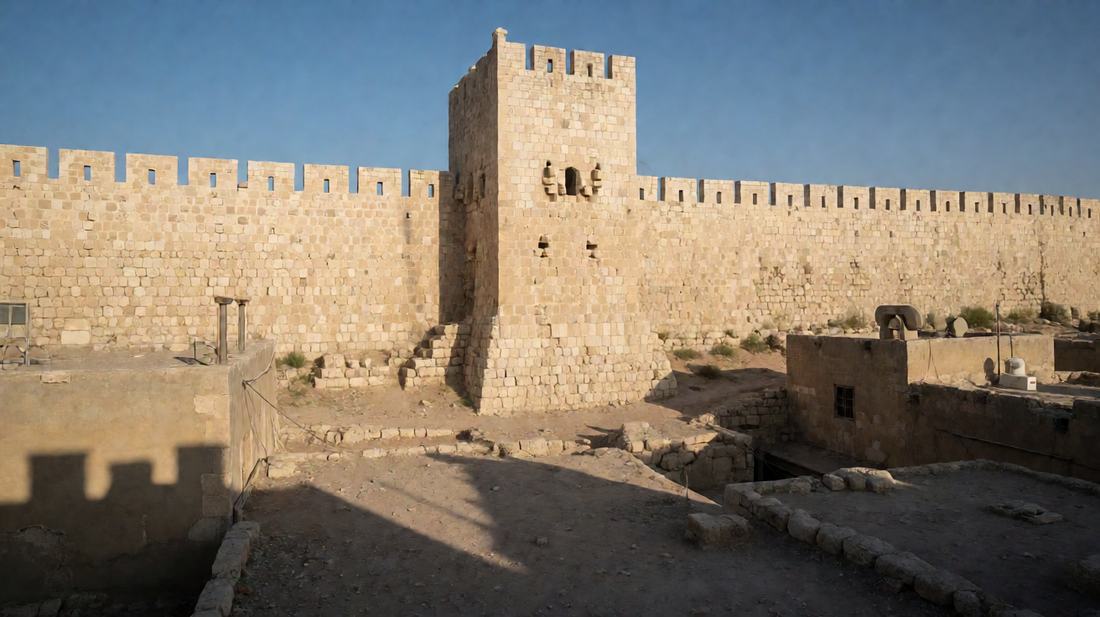
Rule changed hands, and the offices did not. Mamluk rulers took Cairo, and they in turn kept the schools and the courts. Cairo stayed a centre of learning for 600 more years. Later rulers kept it so.
His citadel still stands above the city, and thus the plan of the place is his. His reputation in Europe was made by his enemies, and they wrote him fair, though they had reason not to. Poems and plays gave him a name in the west. Legend outgrew the man.
Arab writers made him the model of a ruler who fought and then made peace. Three centuries later the Ottoman Empire held the same ground, and it kept the same tax offices. States can be judged by what they leave standing, and this one left schools, and moreover a system of courts. Such a legacy is quiet, and it is the harder one to build.
Side by side
How It Compares
| Point | Ayyubid | Fatimid |
|---|---|---|
| Dates | AD 1171-1260 | AD 909-1171 |
| Base | Egypt and Syria together | Egypt alone, with a claim to Syria |
| Army | Kurdish and Turkish officers | Berber troops, then slave soldiers |
| Faith | Sunni, with schools endowed | Ismaili, with a rival caliphate |
| Money | Nile grain and the spice road | Nile grain and the Red Sea road |
| End | Slave soldiers took Cairo in 1250 | Replaced by Saladin in 1171 |
Common misreadings
What People Get Wrong
- Saladin is often drawn as an Egyptian. He was born in Tikrit and came west as an officer of another ruler, and Egypt was his prize rather than his home.
- Jerusalem is usually said to have fallen in a storm of killing. The city surrendered on terms, and the terms were enforced, though the price was high.
- The dynasty is often treated as one state. It ran as a family firm, and the brothers fought each other more often than they fought outsiders.
Going further
Sources and Further Reading
- Wikipedia, Ayyubid dynasty
- Encyclopaedia Britannica, Ayyubid dynasty. Encyclopaedia Britannica, Inc.
- Lyons, M.C. and Jackson, D.E.P. 1982. Saladin: The Politics of the Holy War. Cambridge University Press.
- Humphreys, R.S. 1977. From Saladin to the Mongols. State University of New York Press.
Quick hits
Five Things to Remember
- Saladin took Egypt in 1171 and ended the old caliphate.
- He beat the crusader army at Hattin in 1187 and retook Jerusalem.
- Ayyubid rule lasted 89 years, from 1171 to 1260.
- A trust paid for schools, and the schools outlived the family.
- Slave soldiers took Cairo in 1250 and began a new house.