 By Iris
Pseudis paradoxa | Paradox Frog
Species Profile · Hylidae
Paradox Frog
A frog whose tadpole grows four times longer than the adult.
Least Concern
Adult
Tadpole
Skin
Range
Eggs
Rating
Twenty five centimetres of larva
A tadpole bigger than its parent
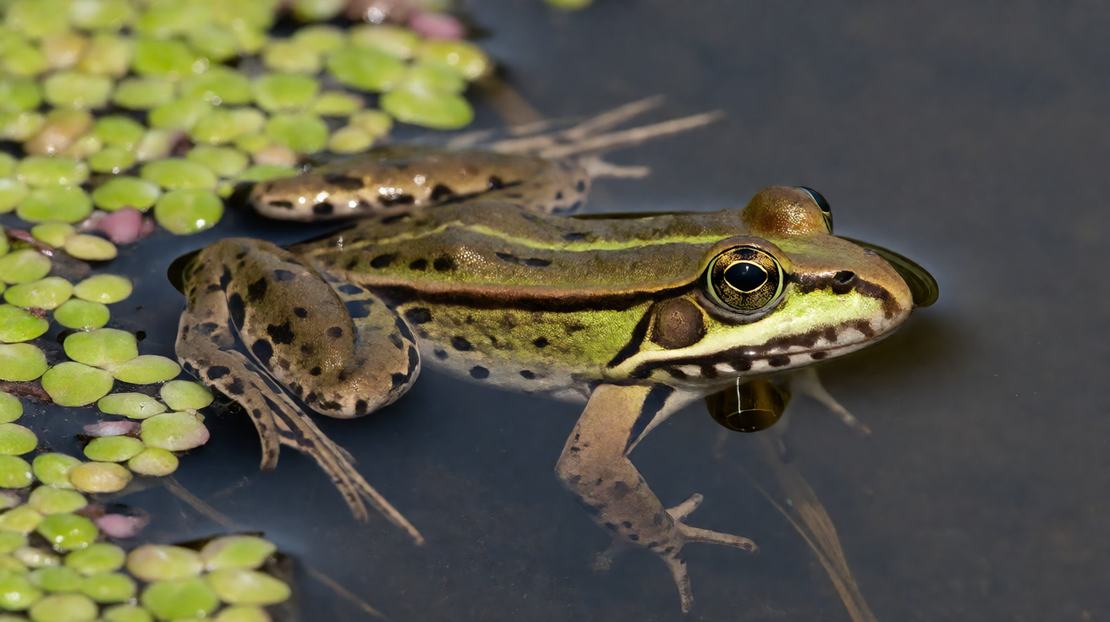
Paradox frog tadpoles grow larger than the frogs they become. Larvae may reach 25 cm, and the adult that follows stays near 6 cm in total length. That shrink happens during metamorphosis, and no other frog loses so much of its own body so quickly. Ponds across northern South America hold the species.
It reaches from the Amazon mouth to the Orinoco plain. Adults float at the surface with the eyes just above the water, and the body hangs below. Olive skin carries dark stripes, which hides the animal among green stems. Loud grunting calls cross the pond at night.
Nobody knows why the larva grows so large. Food in a crowded pond may explain it.
Family tree
Hylidae, the tree frogs
Pseudis paradoxa sits in Hylidae, the tree frog family. Its nearest relative on this site is the Red-Eyed Tree Frog, a bright frog of Central America. Both lay eggs in water, and both pass the larval stage in a pond.
Yet one carries warning colours, while the other relies on camouflage. Three or four species were once folded into this single name, and the split came only recently. Work on calls and on DNA split them apart, and the count still moves with each new study.
Scientists described the species in 1758, and the name refers to the odd growth. Genus name means false, a joke about the animal’s look.
A family of tree frogs
How to tell one
Adult body length runs 4.5 cm to 7.5 cm. Females grow larger than males, and the gap is easy to see. Tadpoles are the famous part, since a large one reaches 25 cm.
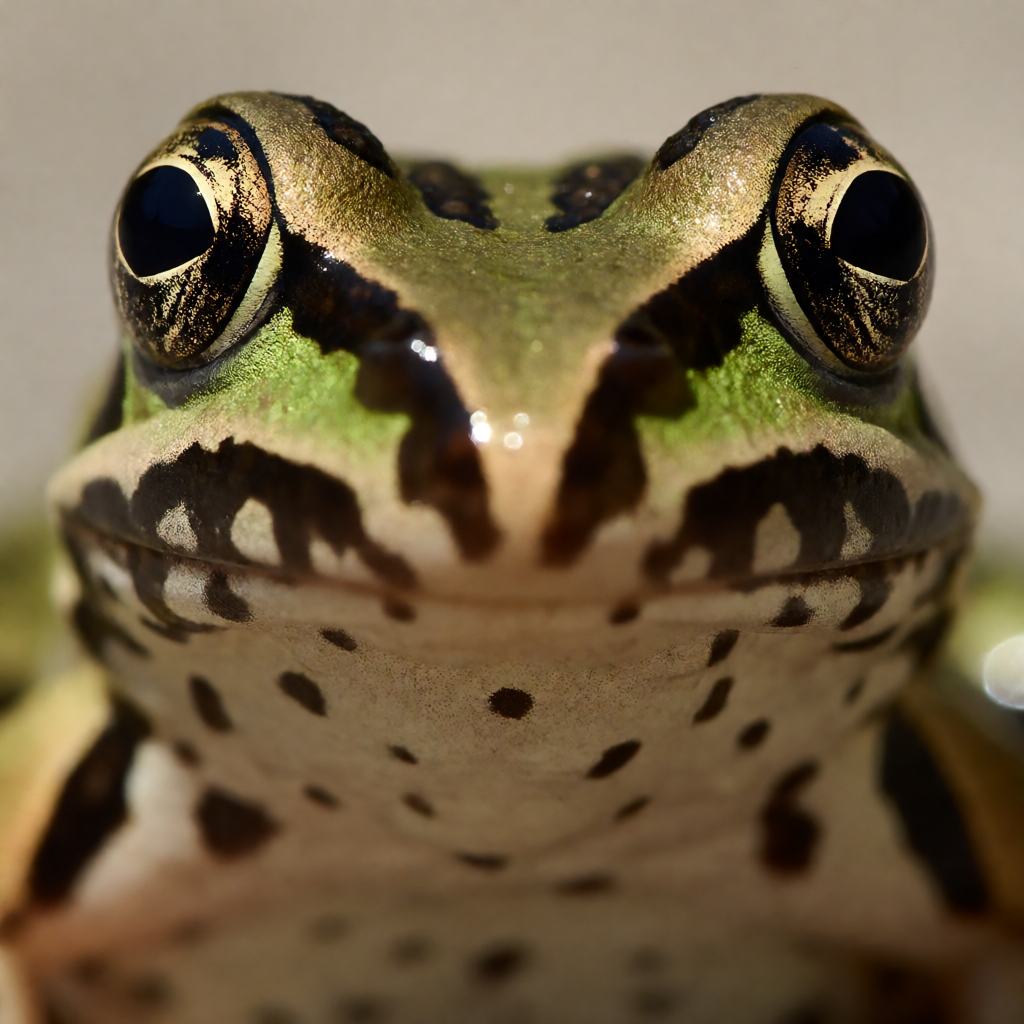
Skin is smooth and olive green, with dark stripes running along both sides. Eyes sit high on the head, so the animal can watch the bank while the body stays under. Hind legs are long and webbed, and each toe ends in a small pad that spreads on wet leaves.
Vocal sacs swell under the throat, and the call carries far. Males develop small pads on the thumbs during the breeding season. Colour darkens at night, although it pales again in bright sun.
1
2
3
The larva that shrinks
Where it lives
Amazon basin and the Guianas hold most of the range. Trinidad carries a separate population, and people may have moved it there. Ponds, ditches and slow streams all suit the animal. Water must hold plants, since the tadpole needs cover from herons and fish.
Adults stay near the edge, where stems give shelter. Dry months push the animals into the deepest pools, where water lasts. Rain then spreads them across the floodplain, since the water connects every low place. Temperature stays warm through the year.
The ponds never freeze, even in the coolest month. Drainage and pollution remove habitat in settled areas. Cities spread along the same rivers.
Warm ponds with plants
What it eats
Tadpoles graze on algae and soft plant matter. That diet supports a huge body, and the gut grows with it. Adults switch to insects and other small water life, and they hunt near the surface.
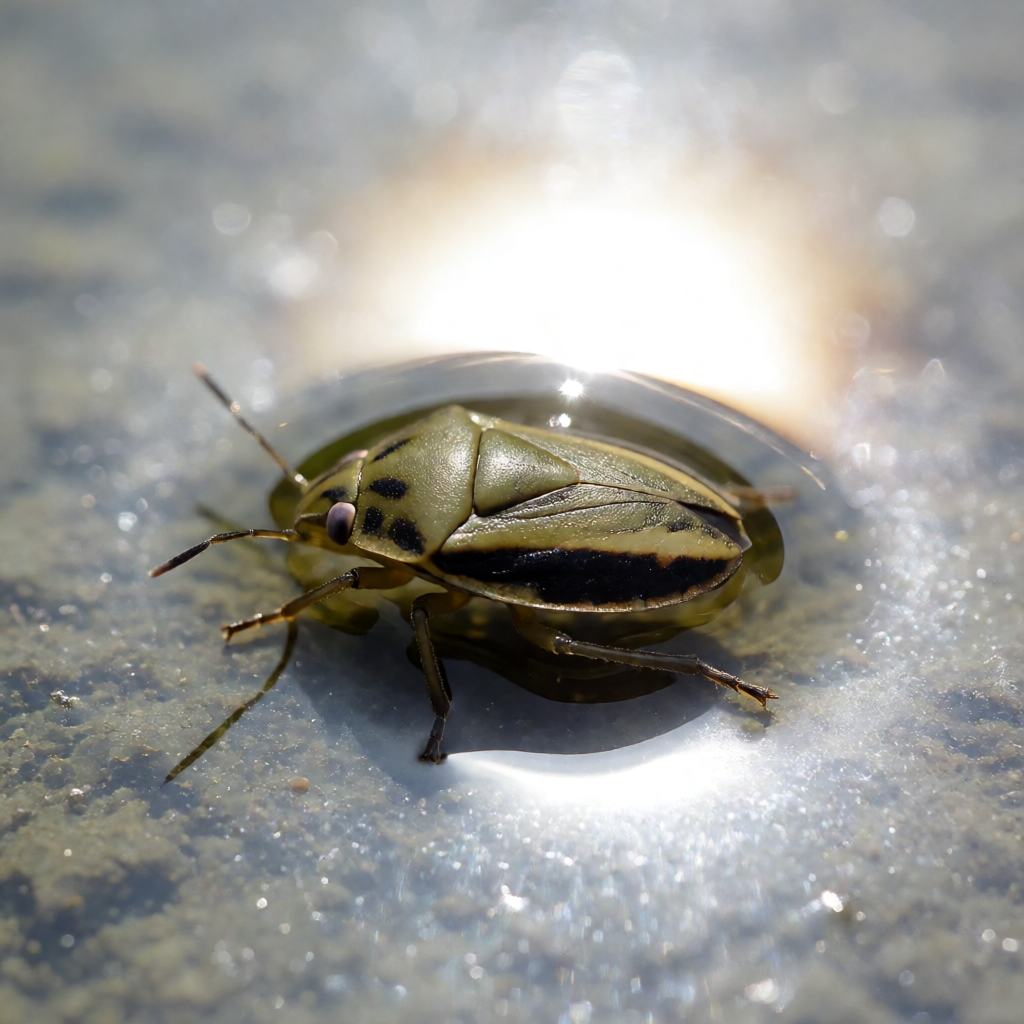
Mosquitoes, flies and beetles are taken at the surface, where the frog can reach them without diving. It waits without moving, then strikes with a quick lunge, since a moving target is easy to miss. Prey is swallowed whole, since the animal has no teeth.
Feeding happens at night, when insects gather over water. Big tadpoles may also take small crustaceans. Nobody has measured a daily ration.
Insects after dark
The breeding cycle
Breeding follows heavy rain, although the ponds may hold water all year. Males call from the surface, and the sac swells with each note. Females choose a male, and the pair enters the plants. Eggs are laid in a jelly mass, and they sink among the stems.
Clutches hold several hundred eggs. Most of them hatch within a few days. Tadpoles grow through the wet season, and a full year may pass before one transforms into a frog. The change shrinks the body, and the tail is absorbed before the frog leaves the water.
Young frogs leave the water at night, when the bank stays damp. Breeding stops in the dry season. Ponds shrink, and the shallow edges dry into mud.
Least Concern, and little studied
Conservation
Least Concern is the current rating. Range is large, and numbers appear stable, although nobody counts them. No major threat is recorded, although drainage affects local ponds.
Pesticides may harm larvae, yet no study has measured the effect. This species breeds easily, and it survives in disturbed water near farms. Collectors take some animals for the pet trade, yet the numbers stay small.
Parks cover part of the range, though protection stops at the fence. Monitoring is thin, so the rating rests on the broad range.
Side by side
How It Compares
| Trait | Paradox Frog | Red-Eyed Tree Frog |
|---|---|---|
| Adult | 4.5 cm to 7.5 cm, and smaller than its own larva | 5 cm to 7 cm, with long thin legs |
| Larva | up to 25 cm, the largest stage of the life | a small tadpole that drops into water |
| Colour | olive green with dark stripes | bright green with a red eye |
| Eggs | several hundred in a jelly mass | about 40 in a clutch on a leaf |
| Home | ponds and ditches across the Amazon | rain forest near streams in Central America |
| Defence | camouflage among the stems | a flash of red that startles a bird |
Common misreadings
What People Get Wrong
- Many people think the giant tadpole belongs to a giant frog, yet it shrinks during metamorphosis. The adult leaves the water at less than a third of the larval length.
- A common tale says the species lives in fast streams, although it keeps to still ponds and ditches. Plants must be thick, since the larva needs cover from herons and fish.
- Some reports claim the call carries a kilometre, yet the grunt fades within a hundred metres. The sound travels through stems, and the females answer from close by.
Going further
Sources and Further Reading
Quick hits
Five things to remember
- The tadpole reaches 25 cm.
- The adult is smaller than the larva.
- It floats with the eyes above water.
- The call sounds like a grunt.
- Trinidad holds a separate population.