 By Iris
The Aqueducts of Rome | Water for a Million People
Historical Profile · Italy
The Aqueducts of Rome | Water for a Million People
Eleven lines of stone channel brought a city of a million people more water in a day than most modern towns use.
312 BC to AD 226
First line
Lines
Longest
Slope
Last built
The big picture
Introduction
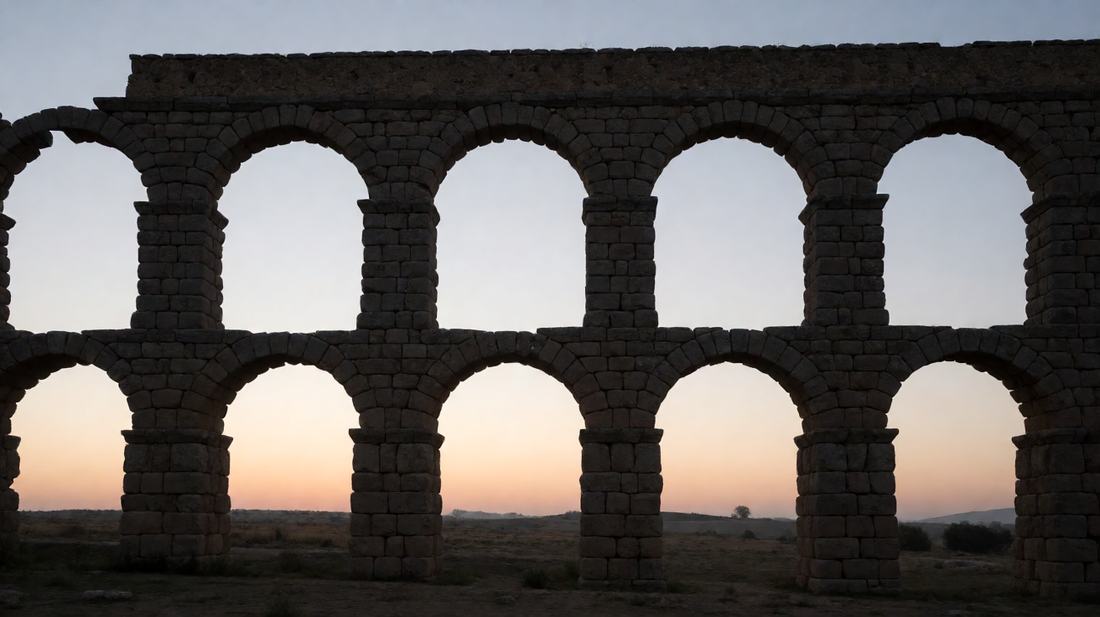
Rome drank water that came from hills more than sixty miles away. Eleven lines carried it in, and most of them ran underground. Where a valley got in the way, the builders threw an arcade across it. Those arches are what people remember.
Water ran for six hundred years, while the city grew around the pipes. It fed public fountains, bath houses and private homes. It made Rome the cleanest large city of the ancient world. Its builders left records, therefore we know the numbers, the grades and the names of the men who kept it running.
Few public works of any age are so well recorded. Modern readers can follow a single pipe from a hillside spring to a fountain in a city street.
Setting
Historical Context
Early Rome took water from the Tiber and from wells. That was enough for a small town. It stopped being enough as the city grew. River water also carried waste, therefore a growing city needed another source. Stage one came in 312 BC, the same year as the Appian Way.
Its builder, Appius Claudius, ran it sixteen miles from springs east of the city. He kept it underground for almost the whole length. Covering it kept the water from dirt and from summer heat, since a shallow line warms quickly. Later lines followed as the city filled up. Some came after wins, and their construction was paid for out of the spoils.
Generals who wanted a mark built arcades, while a sensible one built a line that actually delivered water. Both kinds kept the city alive. Each line took years to build, and the money came in stages, so that a bad year could stop the work for a decade.
Turning points
Key Events
Anio Vetus came in 272 BC. It ran sixty-four miles to bring water from a river valley. Its grade was gentle, since the surveyors had to keep the fall under one foot in twelve hundred. That is a slope of about a yard every mile. Aqua Marcia arrived in 144 BC. It was the first to use a long arcade.
Its water came from a spring so pure that later writers praised it. Length came to ninety-one miles. About ten of those miles stood on arches. Two lines came in AD 52, Claudia and Anio Novus, therefore the flow nearly doubled at once. Claudia ran sixty-nine miles, and ten of those stood on arches, while Anio Novus ran eighty-seven. Together they filled the great arcades still seen outside the city today.
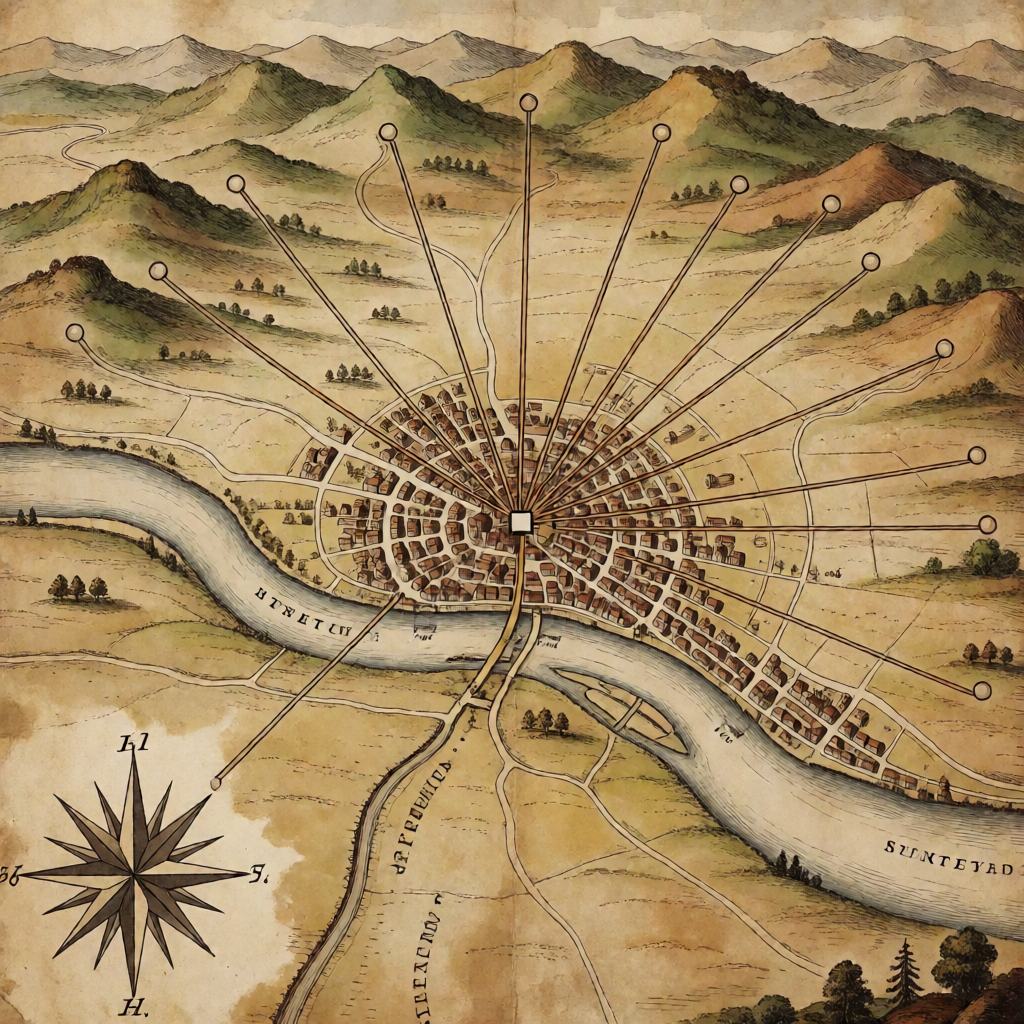
By the fourth century the city had eleven lines and a flow that modern builders put at around half a million cubic metres a day. Frontinus, who ran the system at the end of the first century, left a book about it. He listed every pipe and every leak, therefore his book is a map of the whole network. He also complained about farmers who tapped the pipes without paying, which suggests that the problem is older than the plumbing.
1
2
3
Who held power
People and Powers
One curator aquarum ran the system. Office went to a senior elder. Under him served builders, surveyors, pipe fitters and a crew of about seven hundred men. Jobs passed from father to son, since the skills were specific and the pay was steady.
Emperors paid for new lines, while the senate and the city paid for repairs. Private households could buy a flow, though the right was granted as a favour and could be withdrawn. Rich households paid for their water, while the poor used the fountains. Legionary surveyors set the lines.
Legionary builders set the grade with a level, a rod and a line. They checked it over many miles. Getting the slope right was the whole job, because water will not climb. One mistake of a few feet over twenty miles could leave a line dry at its far end.
Everyday world
Daily Life and Society
Public fountains stood at street corners, and most people fetched water there. Households sent a slave or a child with a jar. Fetching it might take an hour. Waiting at a fountain was a social occasion, since neighbours met there twice a day. Bath houses used far more than any home.
Great baths drew more water than a whole ward. The Colosseum had its own flow for the crowds. Furnaces and pools needed a steady flow, so a break in the line closed the baths within a day. Private taps served the rich. Houses with their own flow had a small tank and a lead pipe.
Owners paid a fee for the tap. Some landlords sold water to their tenants, which says something about the housing market. Water also carried the city’s waste, since drains ran under the streets and a steady flow pushed the refuse toward the river. That single fact did more for public health than any doctor of the age, and every later city copied it.
Craft and ideas
Trade, Technology and Ideas
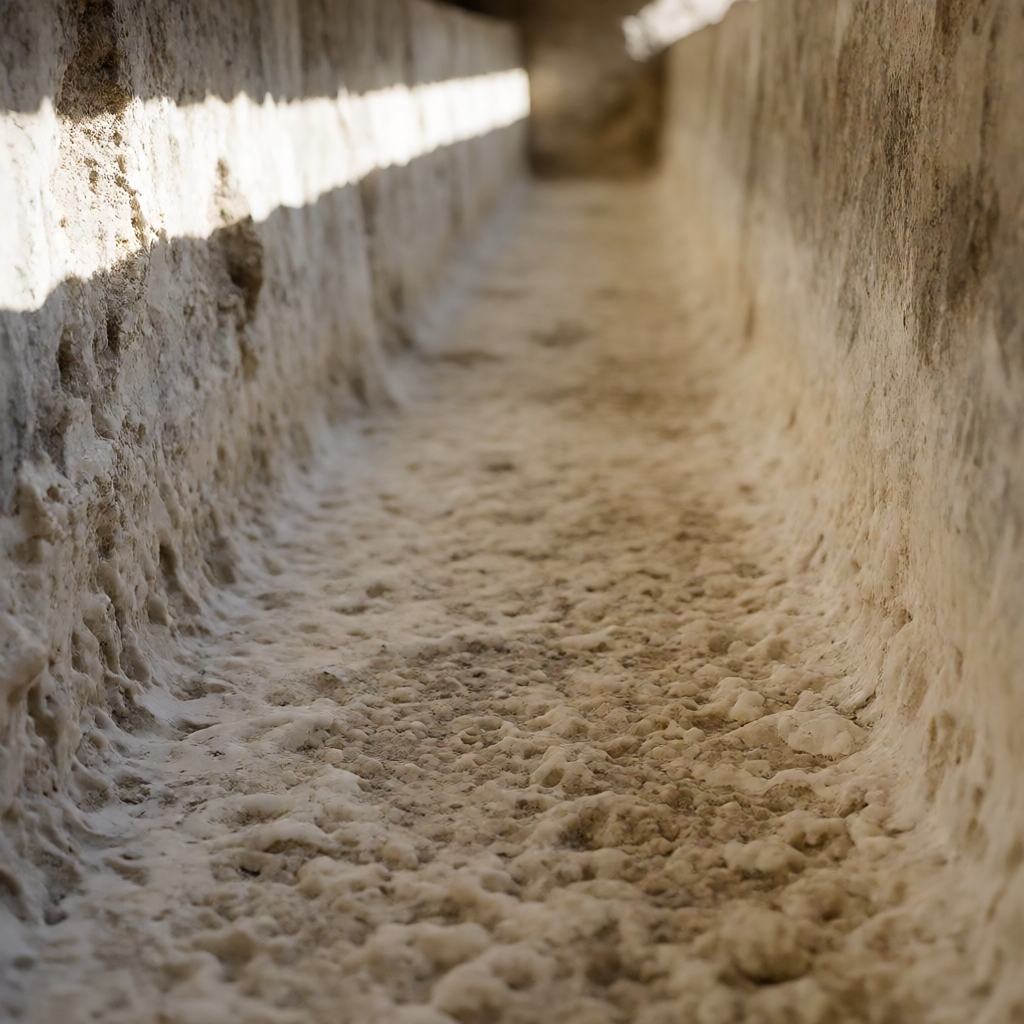
The tools were simple and exact. Builders used a line of stone with a plaster lining, a cover of flat stones and a shaft every so often for access. Nobody needed a pump, and nobody needed a filter, since the fall did all the work. Arches were the expensive part.
Bridges of arches could cross a valley in a few hundred yards. It had to carry the weight of a line plus its own. Builders used the same arch they used for bridges, and they used it well, because the form was already tested. Its method travelled with the legions, since the army built what it conquered.
Legionary builders carried the method to Hadrian’s Wall and to the Rhine, while towns from Spain to Syria built their own lines. Towns in Pompeii had street fountains long before the great arcades of Rome were finished.
What lasted
Legacy
Medieval Rome lost most of its flow. Some lines were cut in war, while others simply clogged, therefore the city drank from wells again. Popes repaired a few. One of them still feeds the fountain of Trevi today. The building outlived the empire.
Channels that run on gravity need no fuel. That idea has never been beaten. Modern cities still move water downhill through pipes. They still measure the fall in the old way. Public health was the real legacy.
Cities that wash and drink from a clean source can grow beyond the size of a village. That single fact shaped the modern city. Bath houses and fountains were the visible sign, while drains did the quieter work. Rome forgot the lesson for a thousand years. The cities of the Middle Ages paid for it.
Side by side
How It Compares
| Point | Roman aqueduct | Modern pipe |
|---|---|---|
| Material | Stone, brick and lead | Steel and plastic |
| Slope | A few feet per mile | Pumped under pressure |
| Cover | Open channel, later roofed | Buried in a trench |
| Repair | By hand, stone by stone | Swapped in sections |
| Scale | Eleven lines into Rome | One grid for a city |
| Today | Ruins and parks | A network underground |
Common misreadings
What People Get Wrong
- Aqueducts were built in one burst. Lines went up over five centuries, as the city grew and each new district asked for water.
- Water arrived under pressure. Most of it ran in a gentle slope, though a few lines used lead pipes on the last stretch.
- Rome’s water was free to all. Public fountains were free, yet private taps paid a fee, so that the state recovered its costs.
Going further
Sources and Further Reading
- Wikipedia, Roman aqueduct
- Encyclopaedia Britannica, aqueduct. Encyclopaedia Britannica, Inc.
- Hodge, A. T. 2002. Roman Aqueducts and Water Supply. Duckworth.
- Blackman, D. and Hodge, A. T. 2001. Frontinus’ Legacy. University of Michigan Press.
Quick hits
Five Things to Remember
- The first channel, Aqua Appia, came in 312 BC.
- Anio Vetus ran sixty-four miles at a very gentle grade.
- Aqua Marcia brought the first long arcade in 144 BC.
- Two channels arrived in AD 52, Claudia and Anio Novus.
- Rome had eleven channels by the fourth century.