 By Iris
The Shang Dynasty | The Bronze Age Kings of China
Historical Profile · China
The Shang Dynasty | The Bronze Age Kings of China
A bronze age court that wrote its questions on bone, and left behind the oldest script in China.
c. 1600-1046 BC
Founded
Capital
Writing
Tomb
End
The big picture
Introduction
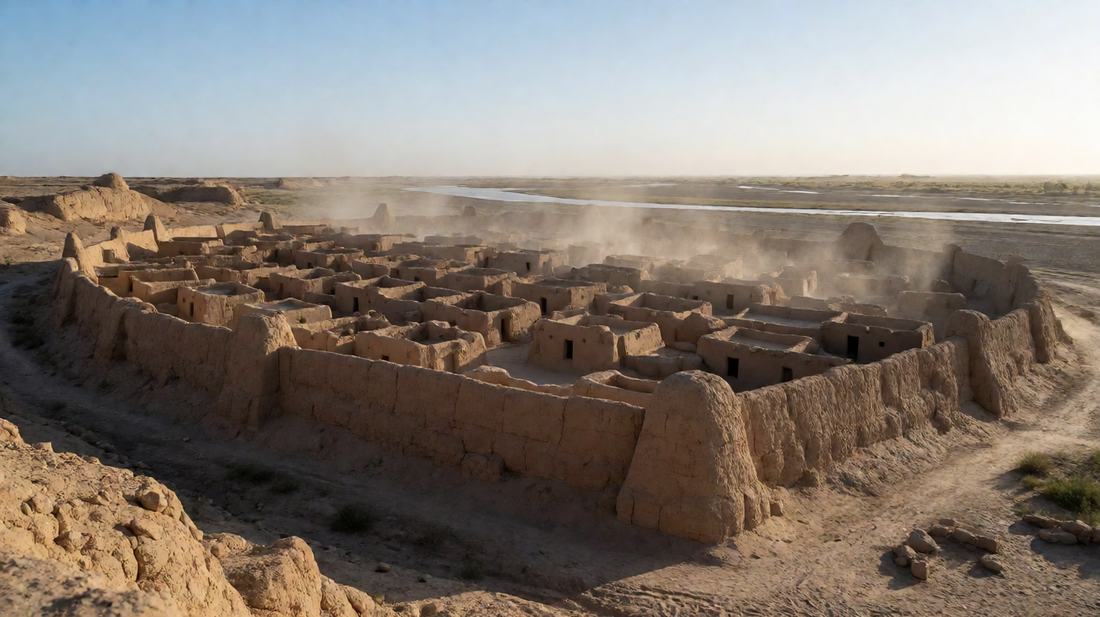
Shang kings ruled the Yellow River plain for about 550 years. Their state rose around 1600 BC and fell in 1046 BC. For most of that span, indeed, the court moved its capital several times. Late in the dynasty it settled at Yin, near modern Anyang. What survives from that age is mostly bronze and bone.
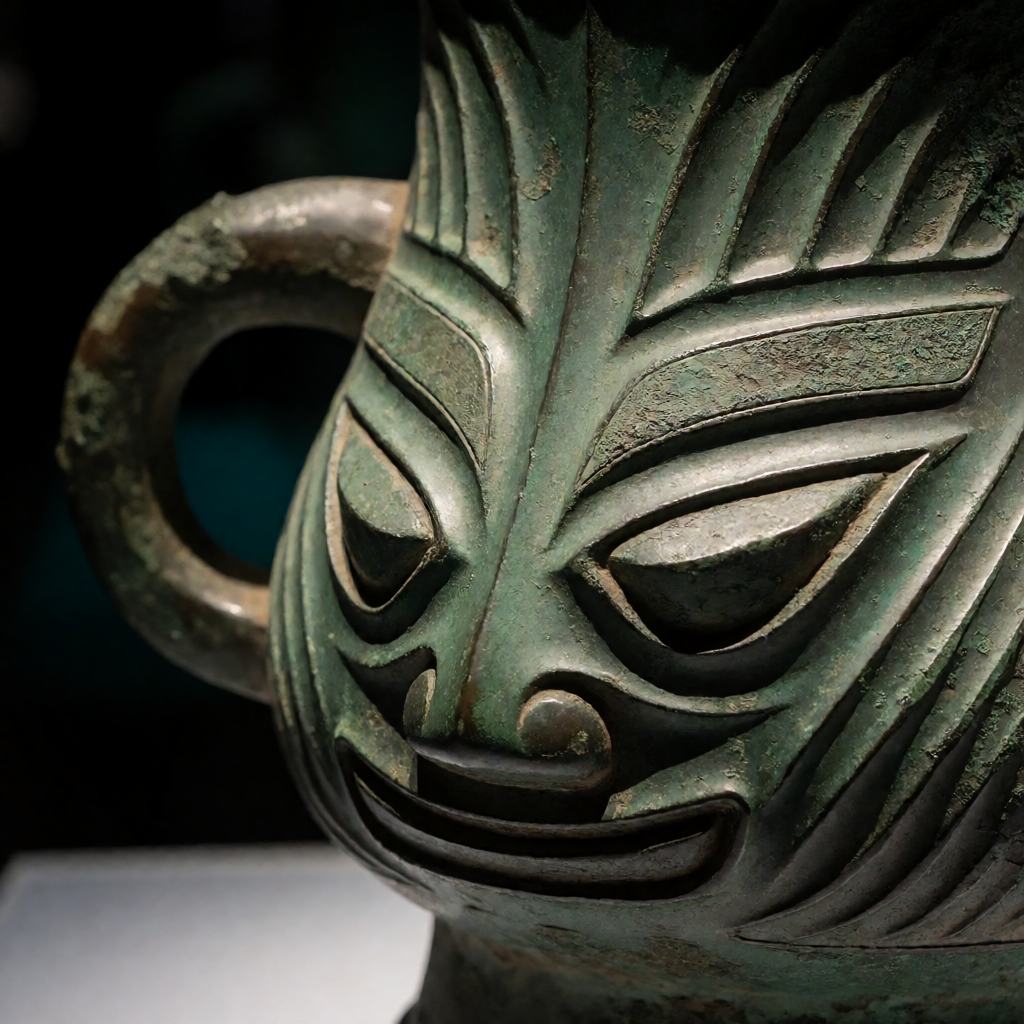
Bronze came as heavy vessels used to feed royal ancestors. Bone came as flat plates, heated until they cracked. A diviner read the cracks, then cut the question into the surface. Those scratches are the oldest writing found in China, and they record a court that argued with its own dead. The realm was small by later standards.
Its foundries, however, cast vessels no later age could match. Kingship passed through the male line, and the king stood at the centre of every rite, so a weak ruler put the whole realm at risk. Farmers below grew grain on flood-prone fields. Their surplus fed the foundries and the tombs.
Setting
Historical Context
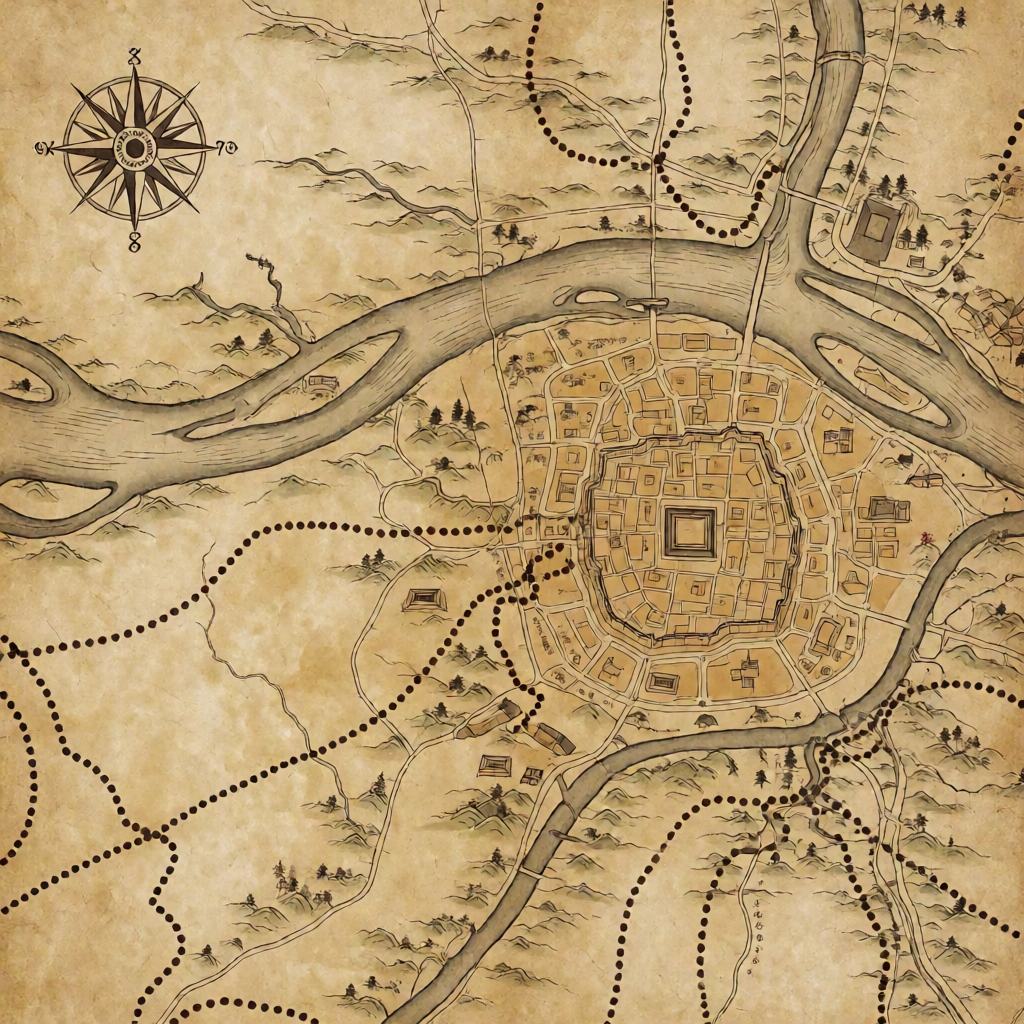
The plain between the Yellow River and its tributaries had been farmed for a thousand years before Shang rose. Older walled towns stood there already. Their chiefs had learned to cast simple bronze and to bury their dead with care. Shang power grew out of a league of such towns. Its first king, Tang, is said to have overthrown a corrupt ruler named Jie.
Later kings moved the court five times. Each move kept the royal house close to its fields and its allies. Warfare was constant and small in scale. Neighbours raided the border, and the court answered with raids of its own. Because the king claimed a direct line to the ancestors, defeat counted as a failure of ritual rather than of arms.
So the court read every omen before it marched. Floods and shifting channels shaped the rest. A bad year could empty a district, since fields near the channel were rich but risky. Thus the state grew along the river rather than across it.
Turning points
Key Events
Around 1300 BC the court moved to Yin, and the site grew into a city of palaces, workshops and tombs. Wu Ding ruled there for more than fifty years. His armies pushed north and west. Records on bone name his generals, his allies and the captives he took. One of those commanders was his consort Fu Hao.
Her tomb, opened in 1976, held over 1,600 objects and had never been robbed. Among them were 460 bronze vessels and 750 jades. Later kings lost ground, and moreover lost the western routes. In 1046 BC a western chief named Wu led a coalition against the last Shang ruler, Di Xin, at Muye. Shang troops are said to have changed sides during the battle.
Di Xin died in his palace as it burned. The Zhou took the throne and kept most Shang rites. Casting went on for another century, though the finest work had stopped. Within three generations the old order had faded.
1
2
3
Who held power
People and Powers
At the top sat the king, and his close kin held the great offices. Below them stood lineage chiefs who supplied troops and received land. Craft families cast bronze, cut bone and wove silk, and their skills passed from parent to child. Farmers, by contrast, sat outside the kin network in many records. Captives sat lower still.
War fed the system, since prisoners became labourers, servants or offerings. Royal tombs at Yin hold hundreds of skulls laid out in rows. The practice grew as the dynasty aged. Diviners formed a small group of their own. Their readings shaped war, harvest and marriage.
Women of the royal house could hold land and lead troops, as Fu Hao did. Most women of the court had no such claim, according to the same tombs. Power stayed personal, because a king ruled through men he could feed and reward. Loyalty ran on gifts of bronze, grain and land. Once the gifts stopped, loyalty stopped too.
Everyday world
Daily Life and Society
Most people on the plain worked fields held by their lineage. They lived in sunken houses of timber and mud, roofed with woven cane. Floors were packed earth, and a hearth sat in the middle of the room. Grain went into storage pits, some lined with plaster to keep it dry. Coarse grain filled most bowls, and meat came only at a rite.
Home brewing was common, and jars of wine went into graves. The dead were thought to need food, drink and company. A house held several generations, and the oldest man settled disputes inside the kin. Work followed the flood, so families kept plots on higher ground as well as near the channel. Writing stayed with the diviners and the court.
A farmer never saw it. Bronze marked rank in a way cloth could not, because a vessel gave a family a claim on the ancestors. That claim had to be earned, and it could be lost. Over time, therefore, the gap widened. A lineage that served the king gained fields, while one that failed lost its men.
Craft and ideas
Trade, Technology and Ideas
Bronze was the great craft, and the Shang cast it in a way no neighbour copied. They built a clay model, packed clay sections around it, then pulled the model out and poured metal into the gap. This piece-mould method allowed deep relief and crisp edges, and it ran a different route from the lost-wax casting of western Asia. Copper and tin came from far off, since the plain had neither in quantity. Some ore travelled hundreds of miles, which shows the court could organise long supply lines.
Writing ran the other way. Signs pressed into clay in Mesopotamia had appeared a thousand years before, though the Chinese script grew on its own. Indus cities carved seals and weighed goods, and their wares reached the coast. Diviners counted in tens, and a week ran ten days. A year held twelve months, with a thirteenth added when the seasons drifted.
Silk was already woven, and the court used it in gifts as well. Ideas of kingship ran through ritual. The king fed his ancestors, and they fed the land in turn. So a drought or a lost battle pointed to a fault in the royal rite.
What lasted
Legacy
Bone script never died. Modern Chinese still uses signs that began as pictures of a man, a gate or a river, and its grammar matches the grammar of the bone texts. Zhou rulers kept the ritual forms they had conquered, and likewise kept the bronze workshops running. Bronze casting stayed a court art for another thousand years. So did the duty of a ruler to read the omens.
Yin lay under fields until 1899, when a scholar noticed marks on bones sold as medicine. Excavations began in 1928 and have never really stopped. A later age made the same claim in the Terracotta Army, though it speaks in clay rather than bronze. UNESCO listed Yinxu in 2006. Its ruins now cover about 30 square kilometres.
Shang ideas about ancestors passed into the family rites of later China. Every grave festival, every duty to a grandfather, carries a trace of that court. Yet the kings themselves are known mostly through the cracks they made.
Side by side
How It Compares
| Point | Shang | Zhou |
|---|---|---|
| Dates | About 1600 to 1046 BC | 1046 to 256 BC |
| Capital | Yin, near Anyang | Hao, then Luoyang |
| Writing | Oracle bones and bronze marks | Bronze texts and bamboo books |
| Rule | The king fed his ancestors | The king held a mandate from heaven |
| Army | Chariots and bronze weapons | Larger armies and longer wars |
| End | Beaten at Muye in 1046 BC | Absorbed by Qin in 256 BC |
Common misreadings
What People Get Wrong
- Shang kings ruled from the start at Anyang. The court moved five times before it reached Yin.
- The Shang left no writing. Oracle bones carry the oldest Chinese script, cut by diviners.
- Fu Hao was a legend. Her tomb was opened in 1976, and it held 1,600 objects.
Going further
Sources and Further Reading
- Wikipedia, Shang dynasty
- Encyclopaedia Britannica, Shang dynasty. Encyclopaedia Britannica, Inc.
- Keightley, D. N. 2000. The Ancestral Landscape. University of California Press.
- Thorp, R. L. 2006. China in the Early Bronze Age. University of Pennsylvania Press.
Quick hits
Five Things to Remember
- Shang rule ran from about 1600 BC to 1046 BC.
- Oracle bones carry the oldest writing found in China.
- Fu Hao’s tomb, opened in 1976, held over 1,600 objects.
- The last Shang king died after the battle of Muye in 1046 BC.
- UNESCO listed the ruins at Yinxu in 2006.