 By Iris
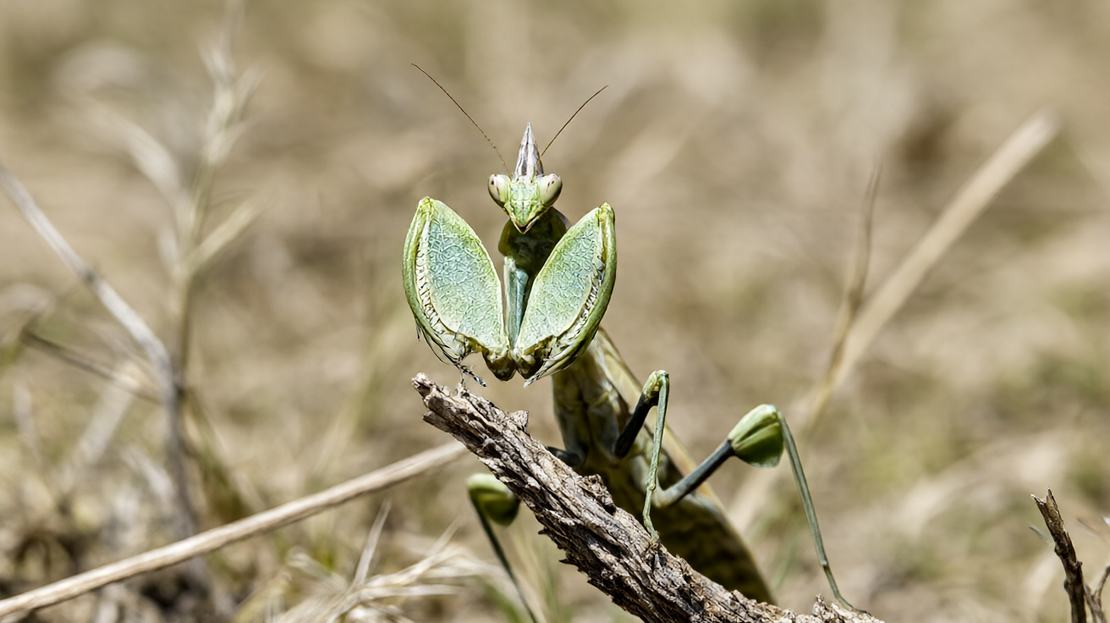
Idolomantis diabolica | Devil’s Flower Mantis
Species Profile · Empusidae
Devil’s Flower Mantis
A mantis sits on a stem and looks like a flower.
Not Evaluated
Length
Males
Lobes
Eggs
Range
Rating
The Devil’s Flower Mantis
A flower with a strike
A mantis sits on a stem and looks like a flower. Pink and white lobes cover its legs. The head carries a crest that rises like a crown. Devil’s flower mantises live in the scrub of East Africa.
They wait, and waiting is almost all they do. Because the disguise works so well, prey walks into reach without noticing. That is the whole trick.
Family tree
Empusidae, crowns and thin bodies
Its proper name is Idolomantis diabolica, and it stands alone in its genus. Empusidae is the family, a group of mantises with thin bodies and tall crowns. A European Praying Mantis hunts the same way at a plainer size, and it can be found in gardens across southern Europe.
A Leaf Insect copies a leaf rather than a flower, though the strategy behind the shape is identical. Both animals survive by being mistaken for something else.
Lobes and a crest
How to tell one
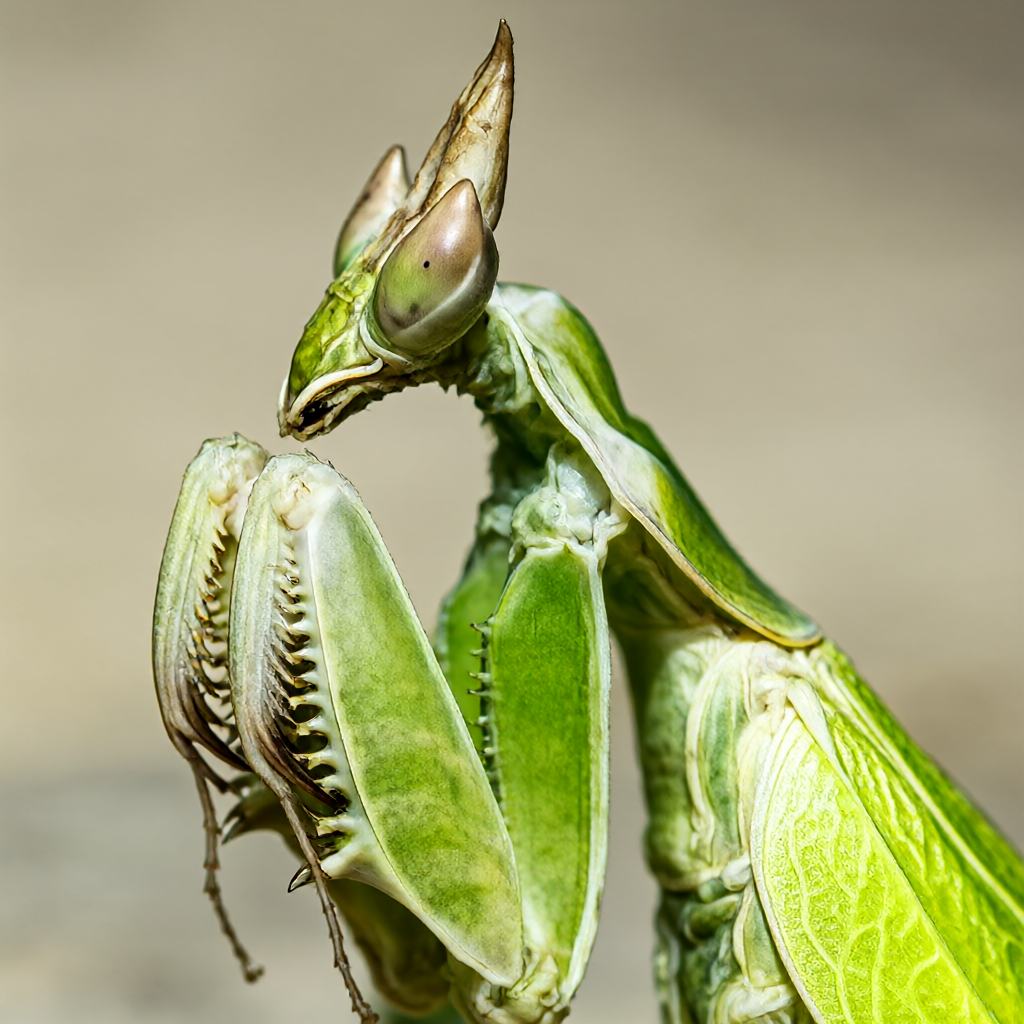
Females reach 13 cm, and males stay near 10 cm. The body carries broad lobes on the legs and abdomen, and those lobes flutter in wind. Colours run pink, white, green and brown, and the mix varies between individuals. Its head has a pointed crest, and the eyes sit far apart on the sides.
Because the lobes break the outline, the resting animal reads as a cluster of petals. The forelegs carry spines, and they fold against the body at rest. Males fly well, and females fly barely at all.
1
2
3
Dry scrub
Where it lives
Dry scrub and savanna in Tanzania, Kenya and Ethiopia hold the species. Tall grass and flowering shrubs suit it. Because the animal needs stems to sit on, it avoids bare ground.
It also uses gardens and roadside growth. Heat matters more than rainfall, and the species does well in dry seasons. Dry weather still suits it.
Flying insects only
What it eats
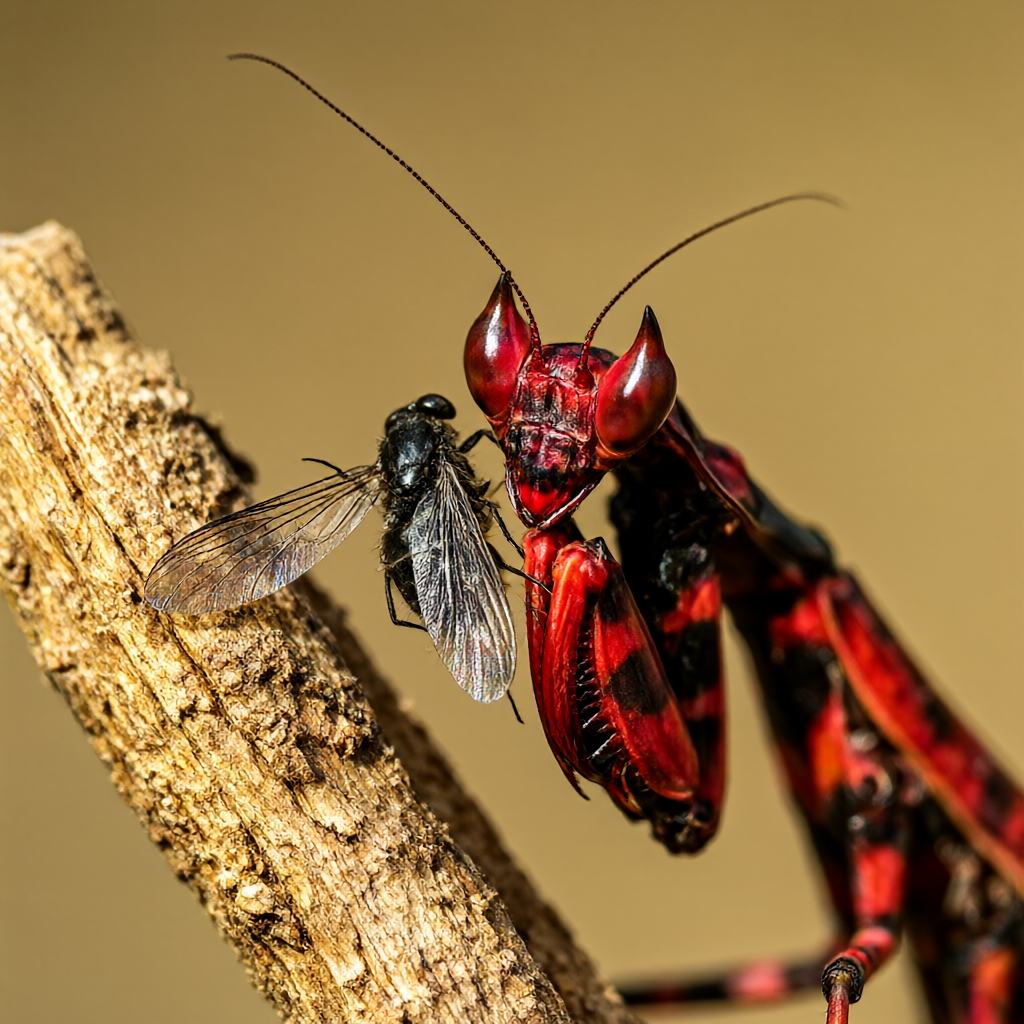
Flying insects make up almost the whole diet. Moths, flies and bees come first. Because the animal will not chase, it takes only prey that comes within reach. A strike takes a fraction of a second, and the spines hold the catch.
Its appetite runs high, and a growing nymph may eat daily. Hunger drives everything, though the animal can wait for days. Females eat far more than males, since the eggs cost a lot to build.
A foam egg case
The breeding cycle
A male approaches a female with care. He spreads his wings and moves in short steps, and any mistake ends the attempt. Because the female will eat him, the male keeps his distance until she signals. Eggs go into a foam case that hardens on a stem.
A single case may hold dozens of eggs. Nymphs hatch together and scatter at once. Few are seen again, though they stay close.
The pet trade
Conservation
No formal Red List assessment covers the species. Collectors take adults and nymphs for the pet trade, and the trade runs steadily. Because the species breeds well in captivity, the pressure on wild animals is hard to judge.
Habitat loss in East Africa removes scrub at a fair pace. Fires set for pasture matter in the dry months.
Side by side
How It Compares
| Trait | Devil’s Flower Mantis | European Praying Mantis |
|---|---|---|
| Family | Empusidae | Mantidae |
| Length | 13 cm females | 7-9 cm |
| Leg lobes | broad, petal-like | narrow |
| Range | East Africa | southern Europe |
| Diet | flying insects | any insect in reach |
| Rating | Not Evaluated | Least Concern |
Common misreadings
What People Get Wrong
- Not a flower, however close the copy. Lobes are skin. Petal-shaped flaps on the legs carry no petal function, and wind moves them in a way that keeps the disguise working.
- Not a hunter that chases. Prey must come close. It waits on a stem for hours, and a strike only happens when something flies within the reach of the forelegs.
- Not a species with a formal rating. No assessment exists. The pet trade moves adults and nymphs in steady numbers, and nobody has measured what that trade takes from wild populations.
Going further
Sources and Further Reading
Quick hits
Five things to remember
- The lobes on its legs flutter in wind, so a still animal still seems to move like a bloom.
- Its threat display shows coloured bands along the body, which startles a predator.
- Females grow heavier than males and fly only short distances.
- A nymph goes through several moults before it reaches adult colour.
- The pointed crest on its head gave the species its devil’s name.