 By Iris
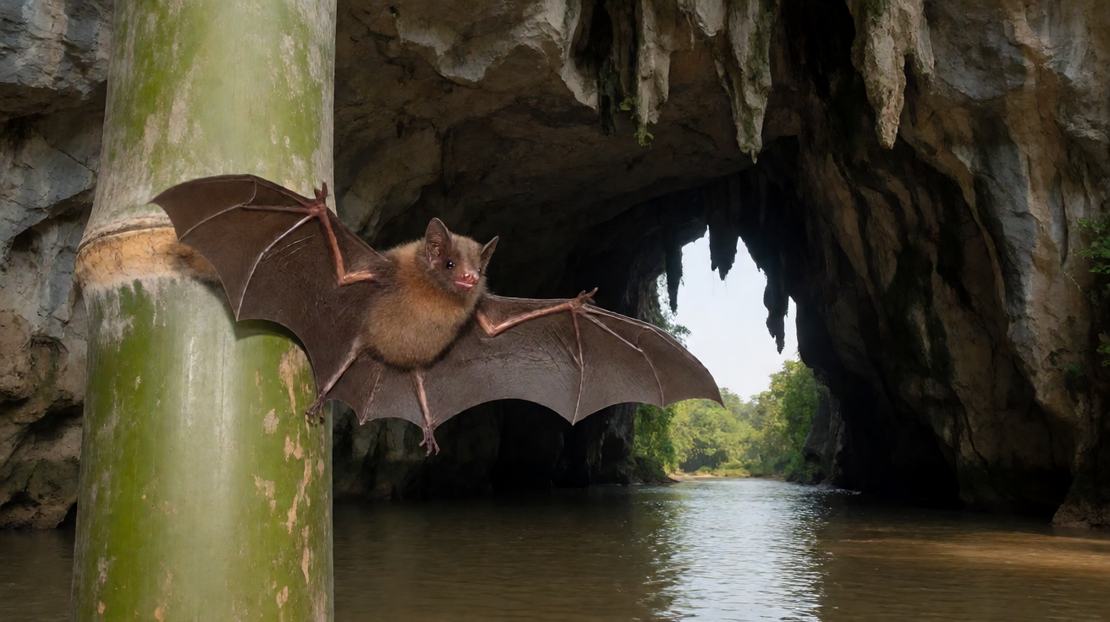
Craseonycteris thonglongyai | Bumblebee Bat
Species Profile · Craseonycteridae
Bumblebee Bat
A bat no heavier than a coin, hanging in Thai caves and hunting small flies at dusk.
Near Threatened
Weight
Wingspan
Range
Roost
Food
Rating
Two grams over a limestone cave
The smallest bat in the world
Bumblebee bats are the smallest bats on Earth. A full adult weighs about 2 g. No bigger than a large bee. Reddish brown fur covers a round body, although the belly stays pale.
A swollen snout gives the face a pig like look. The animal flies at dusk and again at dawn. Each trip lasts about half an hour. Few people have seen one.
Caves in limestone hills hold the colonies, which average a hundred bats. Science did not know the species until 1974, since the whole population hides in a small corner of Thailand and Myanmar. That late discovery says something about how well a tiny animal can hide.
Family tree
Craseonycteridae, a family of one
Science knows the species as Craseonycteris thonglongyai. It sits alone in its own family, with no living relative. Kitti Thonglongya found the first specimens in a Thai cave. Its name, indeed, honours him.
Workers placed the bat near the horseshoe bats, though its face looks nothing like theirs. Its closest kin here is the Lesser Horseshoe Bat, a cave dweller that also hunts insects on the wing. Both use echolocation to find prey in the dark. Yet one weighs thirty times more than the other.
Genetic work puts the split from other bats deep in the family tree. This line has stood alone for a long time. One species fills the family, and no fossil relative has turned up.
One family, one genus, one species
How to tell one
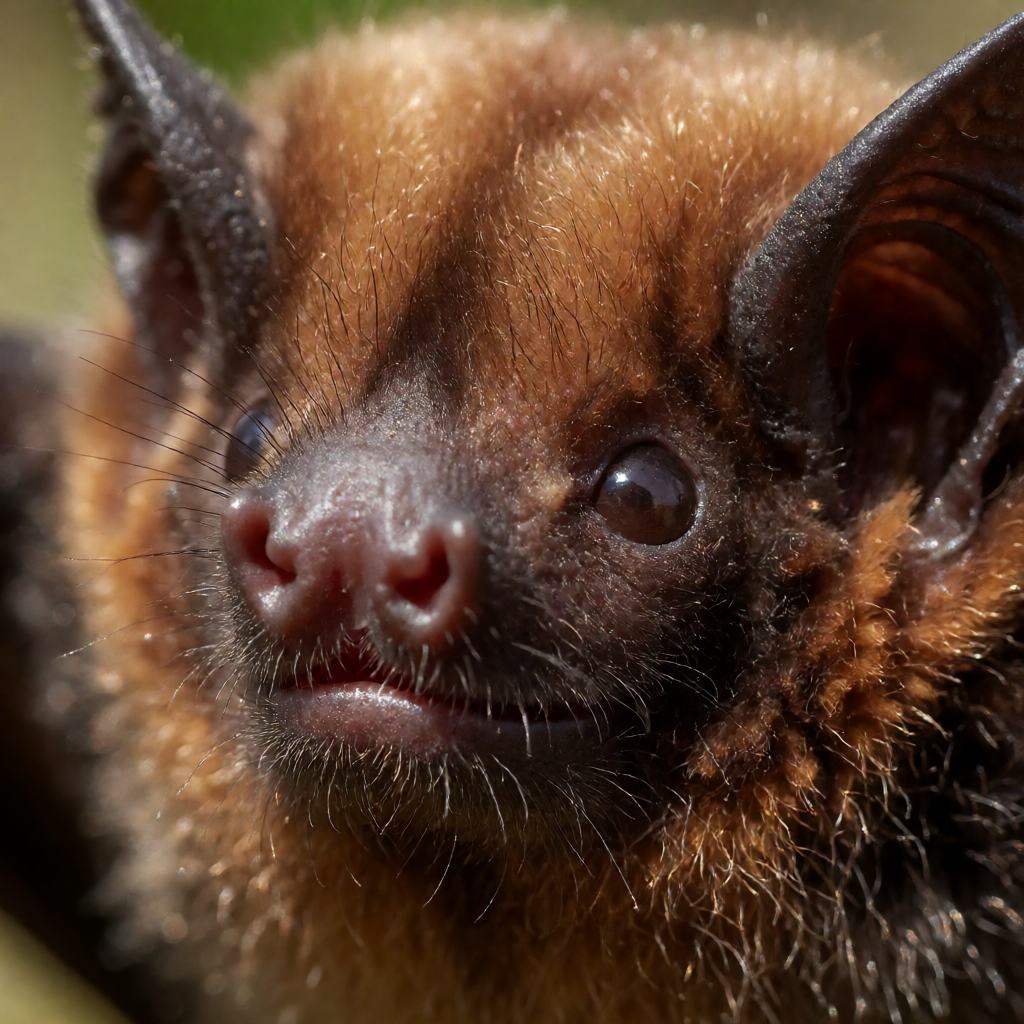
The body is round and compact. A swollen snout carries two upright nostrils. It looks much like a pig’s nose. Large ears stand out from the head.
Small eyes, meanwhile, hide under the fur. Wings are broad and dark, with long tips that let the bat hover. Such hovering is rare among bats. Most bats fly forward and cannot stop in the air.
Legs are slender, and a web of skin joins them, since the animal needs a surface to push against. Despite two small tail bones, the animal shows no tail at all. Fur is dense and long for such a small frame, and it holds warmth through a cold cave night. Every part of the body is built for short flights in tight spaces.
1
2
3
Two grams of fur and wing
Where it lives
Limestone caves along rivers hold the colonies. Warm, humid air fills the chambers. Bats roost far from the entrance. Dry evergreen forest grows outside, and bamboo clumps stand near the cave mouth.
Thailand holds the main population in Kanchanaburi Province. Myanmar holds a few sites found since 2001. Each colony uses one cave, and the bats move between caves as the seasons change. Disturbance matters more than habitat loss here.
One visit can wake a whole colony, and bats that wake in daylight burn fat they cannot replace. Few such visits can empty a cave. Rangers therefore close the main roosts to visitors. They count the bats as they leave at dusk.
Limestone caves above rivers
What it eats
Small flies make up most of the food. Moths and spiders are taken too, though flies remain the staple. The bat hunts in the air, and it catches prey on the wing.
Foraging happens in short bursts, since the animal cannot stay out long. Bamboo tops and teak crowns draw insects, and the bats fly along them. Each trip covers less than a kilometre.
The animal returns to the cave before the light grows strong. Rain or cold stops the hunt at once, so a wet night means no food at all and the colony goes hungry until dawn. Guts handle soft insects well, and hard beetle shells are usually left behind.
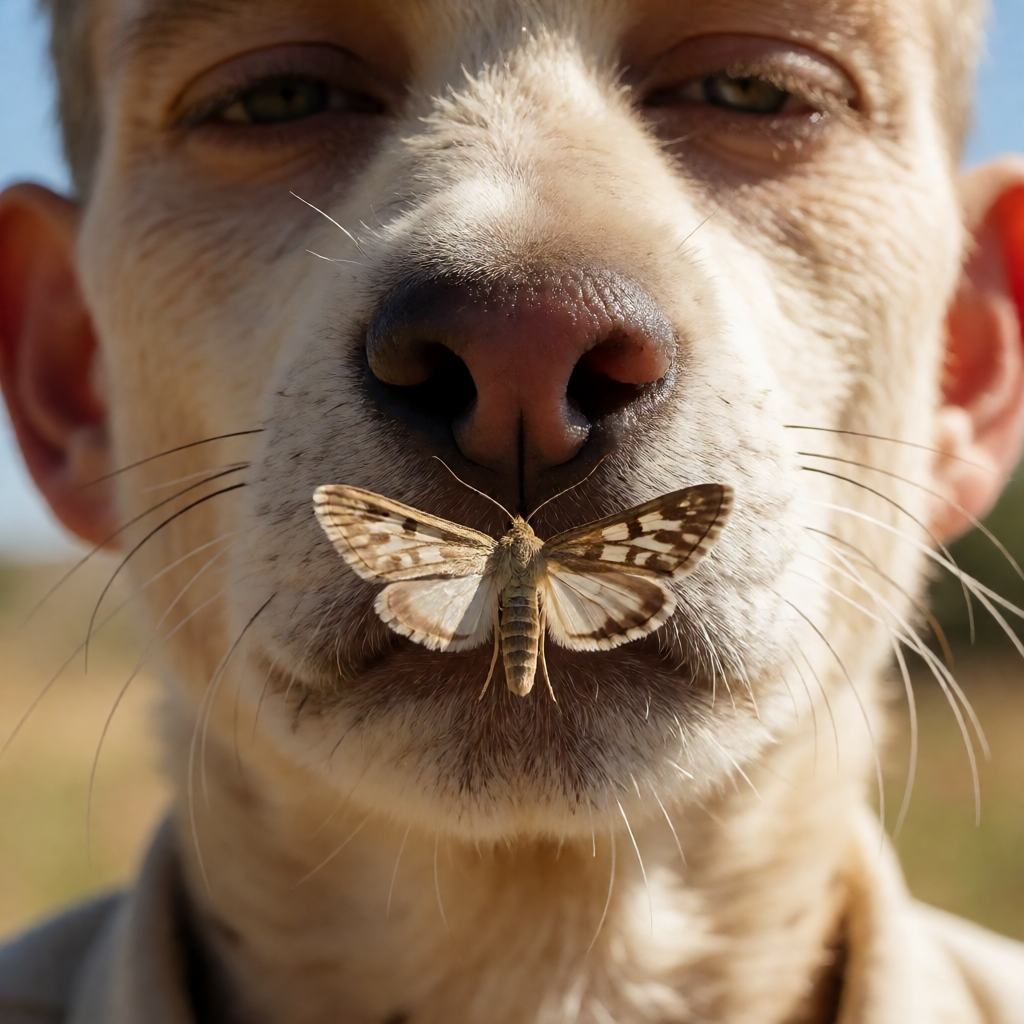
Flies taken on the wing
The breeding cycle
Females give birth once a year, in April. One pup is the whole litter. The young one clings to the mother, and she carries it on short flights.
Growth is slow, and the pup stays with her for several weeks. Nobody has yet followed a full cycle in the wild. Caves are hard to watch without disturbance.
Males and females share the roost, and mating seems to happen inside the cave. Because a female rears one pup a year, a colony grows slowly even in a good season.
Near Threatened, and few caves left
Conservation
The Red List rates the species as Near Threatened. Fewer than ten thousand adults remain, and the numbers are falling. Cave tourism is, however, the main threat. One lamp and one voice can wake a colony.
Limestone mining, in turn, removes whole hills. Forest burning near the caves cuts the insect supply. A pipeline once planned through the border region would have crossed a roost. Rangers now guard the main caves, and visitors are kept outside.
Recovery would be slow, because a female rears one pup a year. Such a bat also marks a healthy cave system, and that link gives conservation a clear target that money can follow.
Side by side
How It Compares
| Trait | Bumblebee Bat | Lesser Horseshoe Bat |
|---|---|---|
| Size | 2 g, and about 3 cm long | 5 to 9 g, with a 20 cm span |
| Home | limestone caves in Thailand and Myanmar | roofs, cellars and caves across Europe |
| Nose | a short and plain snout | a horseshoe leaf built for echoing calls |
| Food | small flies taken over bamboo | midges and moths taken in flight |
| Rest | hangs in colonies of hundreds | hibernates alone in cool caves |
| Standing | Near Threatened | Least Concern worldwide |
Common misreadings
What People Get Wrong
- Many people assume the bat drinks blood, since the name suggests a bee and a sting. It eats small flies over bamboo, and it never touches a warm body.
- Old books call it the smallest mammal alive, although a shrew weighs far less. The bat holds the title among bats, and the wider claim is wrong.
- Some guides say the species lives in a single cave, yet it uses many sites. Colonies move between limestone hills, and they follow the river valley below in the dark.
Going further
Sources and Further Reading
Quick hits
Five things to remember
- The whole animal weighs about as much as a paperclip.
- It is the smallest bat in the world.
- A single colony can hold five hundred bats.
- Each flight out lasts about thirty minutes.
- The nose looks much like a pig’s snout.